Congonhas Dust Cloud Halts Four Brazil Iron Ore Mines, Including Vale and CSN
Mining
Key Facts
—The order. Congonhas, in Minas Gerais, halted operations at four miners on July 12 after a dust cloud engulfed the town.
—The firms. CSN, Vale, Ferro+ and Gerdau were named; the city says the four account for over 96% of local particulate emissions.
—The cause. Prolonged drought and strong winds lifted iron-ore dust into the air, overwhelming the companies’ control measures.
—The money. Mining royalties brought Congonhas about R$306.4 million ($61 million) in 2025 and 2026, more than triple its main federal transfer.
—The restart. Operations resumed on Sunday evening once winds eased, with a technical report now required from each company.
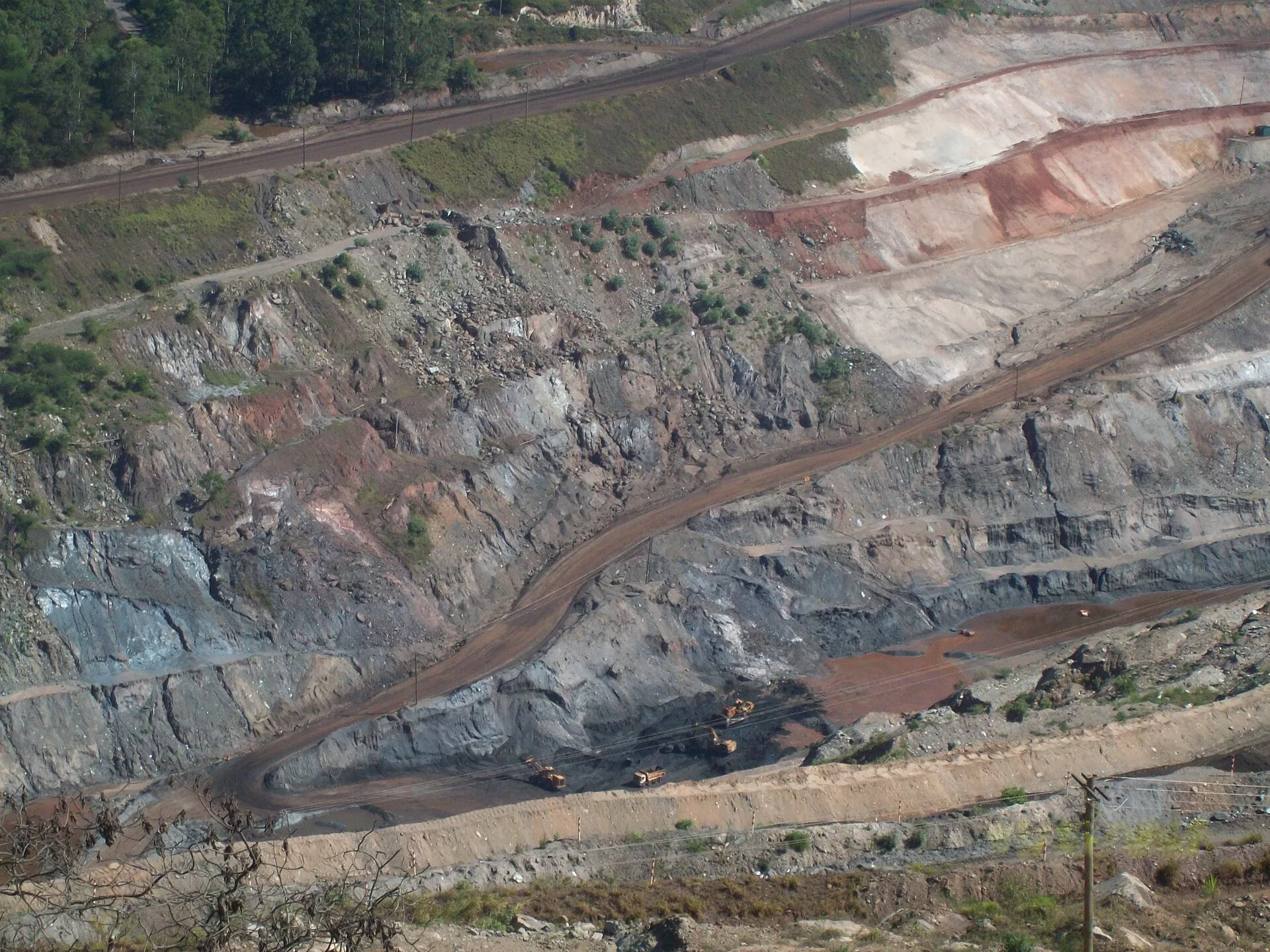
A wall of Congonhas mining dust forced a Brazilian town to halt four iron-ore operations, including giants Vale and CSN, after fine particles blanketed streets and homes. The episode has revived a near two-decade grievance over the air residents breathe.
The city of Congonhas, in the mining state of Minas Gerais, ordered the stoppage on Sunday, July 12. Videos filmed by residents showed the haze rolling across the municipality.
What triggered the Congonhas mining dust halt
A prolonged dry spell combined with strong winds to lift iron-ore dust from mine faces, stockpiles and haul roads. The city said the companies’ control measures proved insufficient despite earlier warnings.
The environment secretariat had flagged the risk in the days before, urging the miners to step up dust suppression. When the cloud formed anyway, it ordered an immediate halt to any activity that could stir up particles.
Inspectors confirmed the four operations had stopped in compliance with the order. Once the winds dropped on Sunday evening, and after roads were dampened down, the companies resumed work.
How the companies responded
CSN, whose Casa de Pedra complex sits beside the town, said it paused preventively on Sunday and normalised operations on Monday. It pointed to intensified road wetting, polymers and continuous monitoring.
Vale said its nearby Viga and Fábrica units were already suspended after an overflow at the Fábrica mine in January. Ferro+ cited a permanent environmental-control programme, while Gerdau denied having any mining operation in Congonhas at all.
Live Company IntelligenceVale SA ADR — the full investor dossier
Wall Street view
Valuation & profitability
Price & risk
$9.9452-wk high
$17.44
Revenue trend · 6y
Ownership
Dividend
A town that lives on the mines choking it
The bind for Congonhas is financial. Treasury data show mining royalties delivered about 306 million reais, roughly 61 million US dollars, to the town across 2025 and 2026.
That is more than three times the roughly 93 million reais it received from Brazil’s main municipal revenue-sharing fund over the same period. CSN accounts for around 80% of those royalties, Vale about 15% and Ferro+ the rest.
So the same firms driving most of the dust also bankroll most of the budget. For residents with chronic sinus and respiratory problems, that dependence is exactly why complaints have gone unresolved for almost two decades.
Locals describe the toll in plain terms. Residents told Brazilian outlets that rhinitis, sinusitis and shortness of breath flare in the dry months of July and August, with some relying on inhalers to cope.
The grievance is not new. Formal complaints about iron-ore dust from these same operations date back nearly twenty years, recurring each dry season when the air turns rust-coloured.
For an investor, the read is that Brazil’s iron-ore heartland carries a rising social and regulatory cost. Weather-driven shutdowns are brief, but they signal tighter municipal scrutiny in a state still marked by the Brumadinho disaster.
Which companies were affected by the Congonhas mining dust halt?
The city named CSN, Vale, Ferro+ and Gerdau, saying together they account for more than 96% of local particulate emissions. Gerdau denied operating any mine in Congonhas, and Vale’s local units were already suspended from an earlier incident.
How long did the Congonhas mining dust halt last?
The stoppage lasted a matter of hours. Operations were suspended on Sunday afternoon and resumed the same evening once winds eased and dust-control measures were reinforced, though a technical report is still required.
Why does Congonhas depend so much on mining?
Mining royalties are the town’s largest revenue source, worth about three times its main federal transfer. That reliance helps explain why long-running complaints about dust and health have been difficult to resolve.
More: Brazil news in English, every day from The Rio Times.
Frequently Asked Questions
What caused the dust cloud that led to the mining halt in Congonhas?
A prolonged drought combined with strong winds lifted iron-ore dust from mine faces, stockpiles, and haul roads. The city stated that the companies' control measures were insufficient despite earlier warnings from the environment secretariat.
Which companies were ordered to stop operations and why were they specifically targeted?
CSN, Vale, Ferro+ and Gerdau were ordered to halt operations. The city named these four firms because together they account for over 96% of local particulate emissions.
How significant are mining royalties to Congonhas compared to other revenue sources?
Mining royalties brought Congonhas about R$306.4 million ($61 million) in 2025 and 2026. This amount is more than triple the city's main federal transfer.
Connected Coverage
Vale’s New Brazil Mine Scare Wasn’t the Dam Disaster It Looked Like
This article was produced by The Rio Times’ automated newsroom system. How we use AI · Report an error · Editorial responsibility: Matthias Camenzind, Editor-in-Chief
LatAm Markets: Live Signals → — real-time movers, turnover leaders and FX across Latin America.