Colombia’s Factories Struggle with Higher Costs and Fewer Jobs, Despite Some Growth
Colombia’s factories are facing tough times in 2025, even though there are signs of small improvements. Official reports from Colombia’s statistics agency and central bank show that the country’s overall economy grew by 2.7% early this year.
However, the manufacturing sector is still experiencing problems. A key measure called the Purchasing Managers’ Index (PMI), which tracks how factories are doing, reached 51 points in June.
This number means factories are making a bit more than before, but growth is slow and uneven. Some industries, like glass and transport equipment, made more products, but others, such as motorcycles and auto parts, made much less.
At the same time, many factories are not hiring new workers. Instead, they are letting short-term contracts end and not replacing workers who leave.
This means fewer people have jobs in manufacturing, even as production rises a little. The country’s overall unemployment rate dropped to 8.8% in April, but job losses in factories are still a concern.
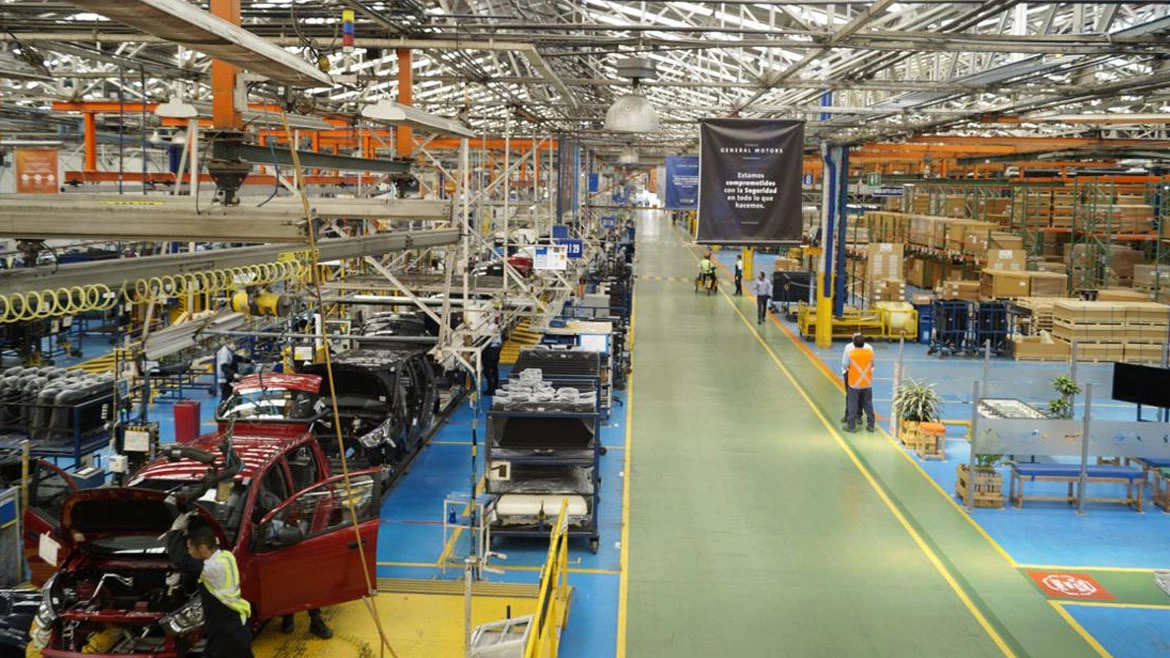
Factories also face rising costs. The prices for materials like food, plastic, rubber, and metals have gone up, partly because Colombia’s currency, the peso, is weaker compared to the US dollar.
This makes imported goods more expensive and pushes up the costs for businesses. The central bank now expects inflation to reach 4.4% for 2025, higher than it hoped before.
Many companies say they have enough products in their warehouses and are not buying as many new materials. This, along with fewer consumer purchases, makes them cautious about increasing production or hiring more workers.
Despite these issues, business leaders feel a bit more confident than before. They hope that better training, new technology, and finding new markets will help in the future. Still, the manufacturing sector’s recovery is slow and uncertain.
Colombia’s factories are important because they provide jobs and support many other businesses. If the sector continues to struggle, it could slow down the country’s overall economic growth.
The government and business leaders will need to work together to help factories compete and create more jobs.
More: Colombia news in English, every day from The Rio Times.
This article was produced by The Rio Times’ automated newsroom system. How we use AI · Report an error
Read More from The Rio Times