Colombia Inflation Accelerates to 6.24 Percent in August
COLOMBIA · ECONOMY
Key Facts
- —The number Annual inflation reached 6.24 percent in August, up from 6.03 percent in July.
- —The monthly rate Prices rose 0.39 percent in the month, against 0.17 percent in July.
- —The miss Analysts polled by the central bank had forecast 0.27 percent for the month.
- —The catch This is the highest annual reading since July 2024, and it is running above the target range.
- —The rate The Banco de la Republica policy rate stands at 12 percent, held on 31 July.
- —The split That decision passed four votes to three, with the minority wanting a half-point rise.
Colombia inflation went the wrong way in August, and by more than anyone forecast. The central bank was already split before this print.
Colombia inflation accelerated in August. The annual rate reached 6.24 percent, up from 6.03 percent in July.
The statistics agency DANE published the figure on Monday 7 September. Monthly inflation was 0.39 percent, more than double July’s 0.17 percent.
It missed forecasts in both dimensions. Analysts polled in the central bank’s monthly expectations survey had averaged 0.27 percent for the month.
It is the highest annual reading since July 2024. Colombia’s inflation target range tops out well below this level.
Why the Colombia Inflation Miss Matters
The most pessimistic forecast in the survey reached 0.47 percent. The actual print sat between the average and that outlier, closer to the pessimists.
Corficolombiana had expected 0.32 percent, implying roughly 6.17 percent annually. Even that proved too low.
A single month is not a trend. But this is a second consecutive acceleration in a year that was supposed to see disinflation.
The Central Bank Was Already Divided
The Banco de la Republica held its policy rate at 12 percent on 31 July. That decision passed by four votes to three.
The three dissenters wanted a half-point increase. They lost, and August’s data will strengthen their case at the next meeting.
Twelve percent is a high nominal rate by regional standards. Real rates in Colombia are among the tightest in Latin America.
One caution for readers checking elsewhere. Some data aggregators still show a Colombian policy rate near nine percent, which is out of date.
What It Means on the Ground
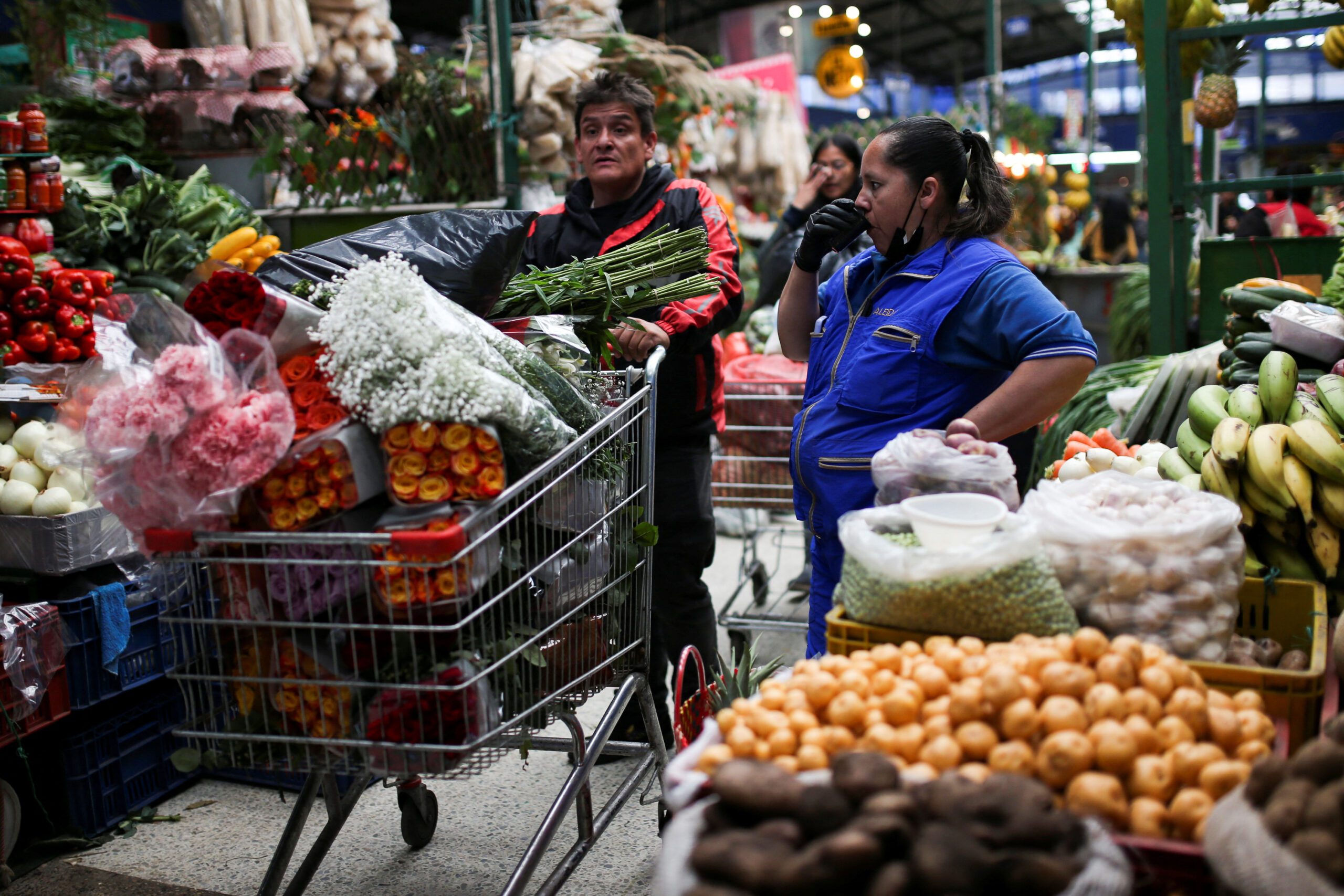
At 6.24 percent, prices are rising faster than most Colombian wage settlements. That is a real income squeeze rather than a statistical one.
For foreign residents holding dollars, the peso side of the equation matters more than the index. The exchange rate has been the larger determinant of purchasing power this year.
Colombia’s minimum wage negotiation runs each December and uses inflation as its anchor. A higher print now feeds directly into that talk.
What to Watch
The first marker is the central bank’s next decision. A four-three hold does not survive many upside surprises.
The second is the composition of the increase. Food and regulated prices behave differently from core services.
The third is December. The minimum wage negotiation turns an inflation number into a wage floor, and from there into next year’s prices.
Colombia has run above target for most of two years now. The credibility question is no longer about a single print.
A currency that has been firm through 2026 has done some of the central bank’s work. That support is not guaranteed to continue.
For businesses setting prices, the practical read is that rate cuts are further away than they looked in July.
More: Colombia news in English, every day from The Rio Times.
Frequently Asked Questions
What was Colombia’s August inflation?
6.24 percent in the year to August 2026, up from 6.03 percent in July. Monthly inflation was 0.39 percent against 0.17 percent the previous month. DANE published the figures on 7 September.
Did it beat expectations?
It came in above them. Analysts polled in the central bank’s monthly expectations survey had averaged 0.27 percent for the month, and the most pessimistic forecast was 0.47 percent.
What is the central bank doing?
The Banco de la Republica held its policy rate at 12 percent on 31 July 2026, by four votes to three. The three dissenting board members wanted a half-point increase.
Sources: DANE, Banco de la Republica, Bloomberg Linea, Infobae, Finanzas Digital, Rio Times.
This article was produced by The Rio Times’ automated newsroom system. How we use AI · Report an error · Editorial responsibility: Matthias Camenzind, Editor-in-Chief
In depth