Chinese Pressure Halts CK Hutchison’s Panama Ports Sale
CK Hutchison, the Hong Kong conglomerate owned by billionaire Li Ka-shing, postponed signing its strategic Panama Canal ports sale agreement this week.
The company confirmed it would not meet the April 2 deadline announced last month for finalizing the deal with BlackRock. Beijing’s mounting opposition forced the delay of this high-stakes transaction.
Chinese authorities view the sale as threatening their commercial interests in the crucial maritime passage. The deal remains active despite the postponement, according to sources close to the negotiations.
The proposed transaction would transfer 90% ownership of Panama Ports Company to a consortium led by American investment giant BlackRock. This includes the Balboa and Cristobal ports, which sit at opposite ends of the Panama Canal.
The sale forms part of a larger $22.8 billion global ports deal spanning 23 countries. Chinese officials have taken unprecedented steps to block the agreement.
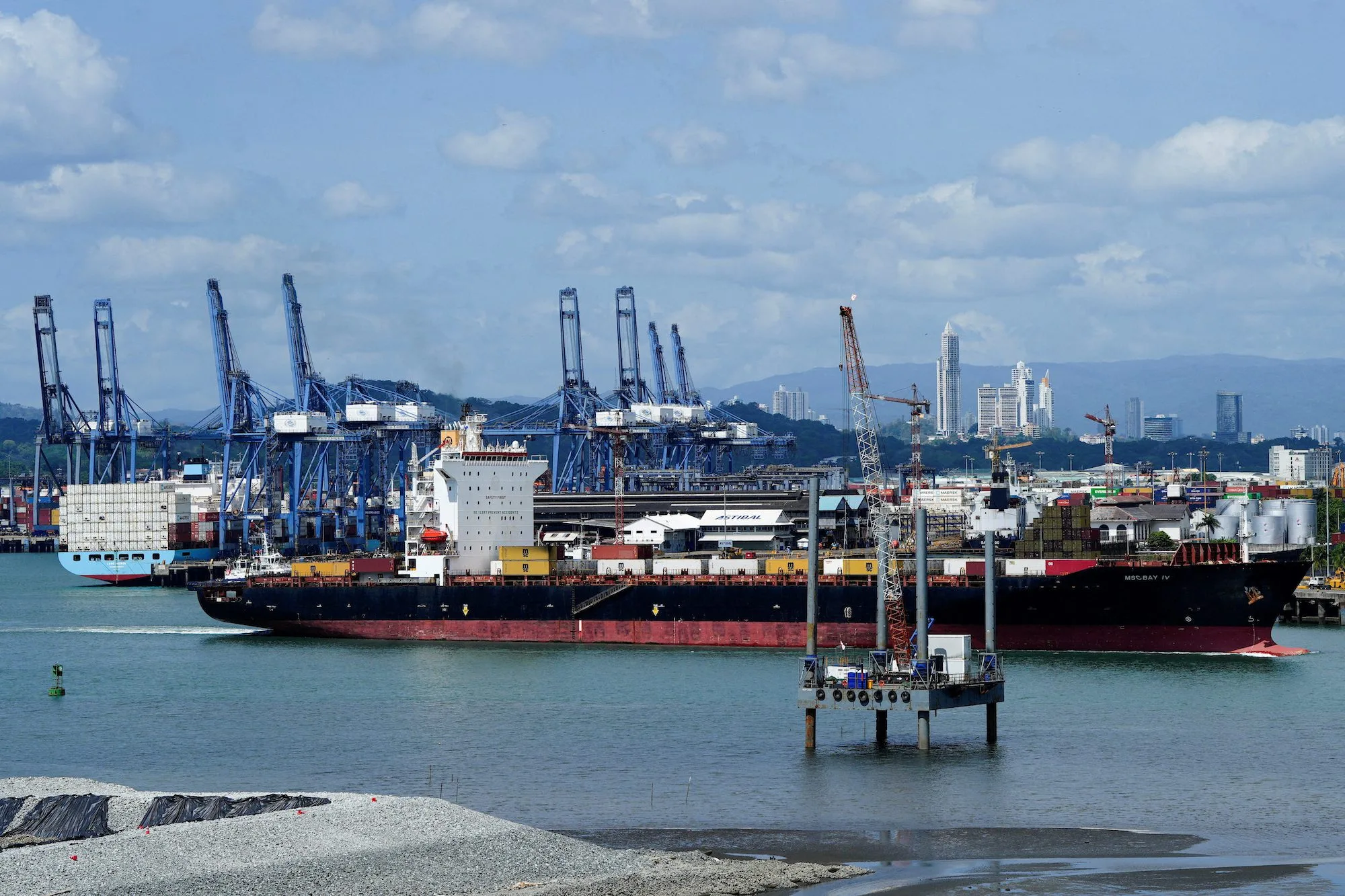
They ordered state companies to freeze business with Li Ka-shing’s enterprises and launched an antitrust investigation into the deal. Pro-government media outlets publish daily criticisms, calling the sale “unrighteous” and a surrender to American interests.
years in 2021.
Panama Canal Dispute
Li Ka-shing now faces perhaps the most complex challenge of his 96-year business career. His company secured the Panama ports concession in 1998 and renewed it for another 2
CK Hutchison generates only 12% of its revenue from Greater China, with most coming from Europe and Australia. President Donald Trump publicly celebrated the potential sale as a chance for America to “reclaim control” of the strategic waterway.
His statements fueled Chinese concerns about American intentions regarding the canal, which handles 6% of global maritime commerce. The Panama Canal serves as a vital trade artery, particularly for the United States.
American vessels account for 40% of container traffic through the 82-kilometer passage. The canal saves ships from undertaking the lengthy journey around South America.
The delayed transaction highlights how private business deals increasingly become battlegrounds in the escalating U.S.-China rivalry. Companies now navigate complex geopolitical currents when operating strategic assets in contested regions.
More: Latin America news in English, every day from The Rio Times.
This article was produced by The Rio Times’ automated newsroom system. How we use AI · Report an error · Editorial responsibility: Matthias Camenzind, Editor-in-Chief