China-Owned Ride App 99 Hits 60 Million Users in Brazil Super App Push

BRAZIL · BUSINESS
Key Facts
—The milestone. 99, the Brazilian ride and delivery app owned by China’s DiDi, says it now has more than 60 million active users, up about 15%.
—The spend. The company has doubled its planned investment to R$2bn ($398m) through June to expand in Brazil.
—The strategy. 99 is building a “super app” that bundles rides, payments and food delivery, mirroring the model in China.
—The fintech. Its 99Pay wallet now has 23 million clients and has extended R$3bn ($596m) in loans.
—The fight. The push pits 99 against market leader iFood and a new Chinese rival, Keeta, in food delivery.
A year after relaunching food delivery in Brazil, the app best known for cheap rides is posting the numbers it needs to back its super-app ambitions, even as competition in the sector intensifies.
Sixty million users, and counting
99, the mobility app owned by Chinese ride-hailing giant DiDi, says it has surpassed 60 million active users in Brazil, a roughly 15% increase, alongside about 400,000 partner merchants. The figures mark a step up from the 55 million users the company reported through much of last year, and they arrive as 99 leans into a far broader ambition than ferrying passengers.
Founded in 2012 in São Paulo and acquired by DiDi in 2018, 99 operates in more than 3,300 Brazilian cities and connects tens of millions of riders with around 1.5 million drivers and couriers. That installed base is now the foundation for a wider play.
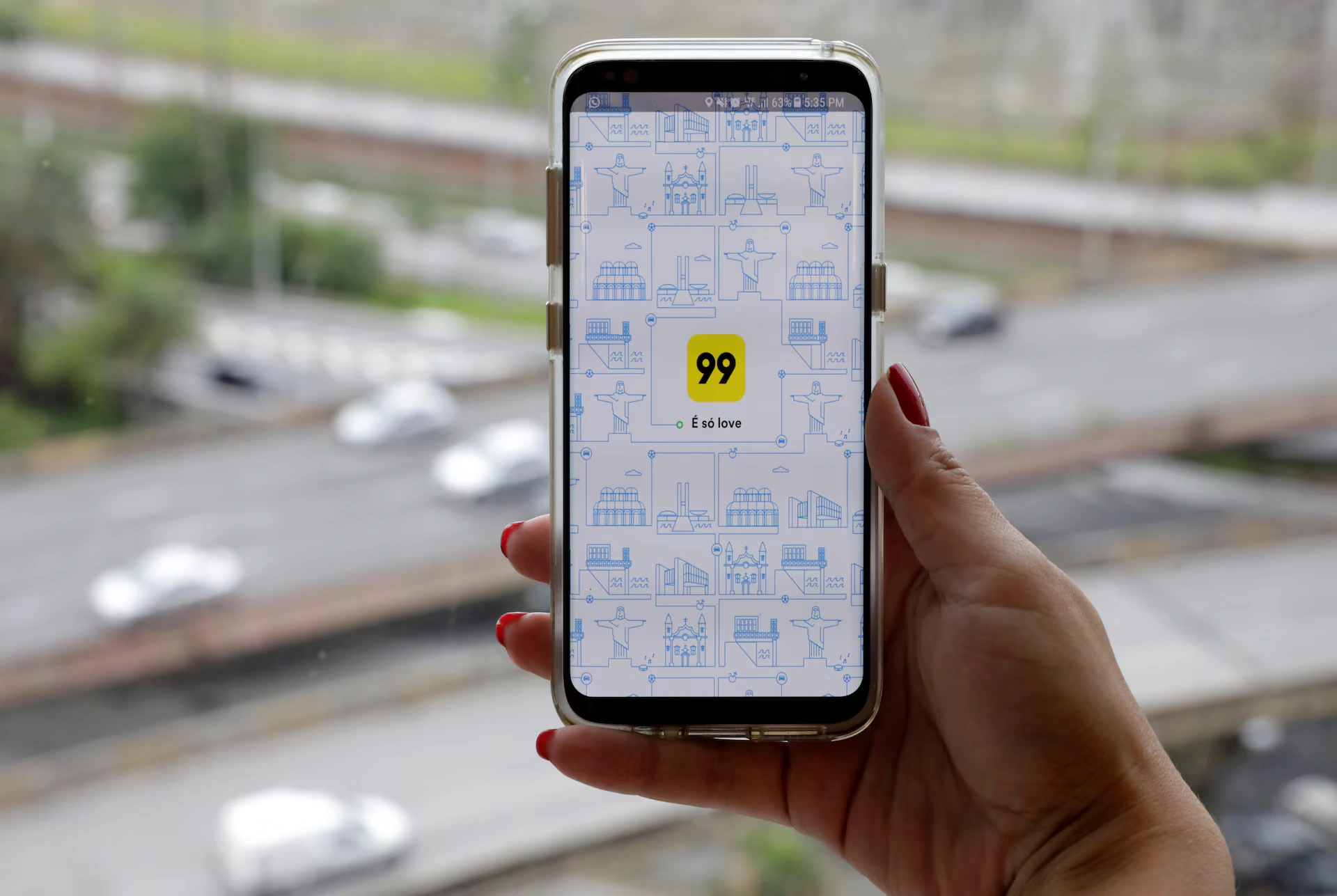
Building a super app, the Asian way
The strategy is to turn 99 into a super app, a single application bundling multiple everyday services, on the model DiDi and peers such as Meituan have built in Asia. Today the app already combines urban mobility, the 99Pay digital wallet, package delivery through 99Entrega and, since its 2025 relaunch, food delivery via 99Food.
A grocery vertical, 99Compras, is being tested.
The logic is recurrence: the more services a user taps inside one app, the more often they return and the cheaper they become to retain. To fund the build-out, the company has doubled its planned spending in Brazil to R$2bn ($398m) through June, from an initial R$1bn pledged in April 2025, after concluding the market was growing faster than expected.
The fintech engine
A key piece is 99Pay, the company’s financial arm, which now counts 23 million clients and has extended roughly R$3bn ($596m) in loans. Payments and credit deepen the relationship with users and give 99 a revenue stream beyond the thin margins of rides and deliveries.
Executives have framed the long-term vision as a “360” service, letting a user book a ride, order a meal and manage money in one place, potentially with voice commands, within about five years. The fintech base is what makes that integration commercially plausible rather than merely convenient.
More: Brazil news in English, every day from The Rio Times.
A crowded, contested market
The hardest battleground is food delivery, long dominated by iFood. 99 has courted restaurants with zero commission for up to 24 months and offered consumers discounts versus the incumbent, after quitting the segment in 2023 and returning in 2025.
It now faces not only iFood but Keeta, another Chinese-backed entrant, turning Brazil into a three-way contest.
Brazil’s dominance of DiDi‘s overseas growth raises the stakes. The relaunch has already drawn a competition complaint, and motorcycle-courier rules in São Paulo remain a regulatory wrinkle.
Whether 60 million users translates into a durable super app, or an expensive land grab, will depend on how long 99 can sustain subsidies against deep-pocketed rivals.
Frequently Asked Questions
What is 99 and who owns it?
99 is a Brazilian mobility app founded in 2012 and owned since 2018 by the Chinese ride-hailing company DiDi. It offers rides, package and food delivery, and the 99Pay digital wallet across more than 3,300 cities.
How many users does it have?
The company says more than 60 million active users, up about 15%, with roughly 400,000 partner merchants. Its 99Pay wallet has 23 million clients and has extended about R$3bn ($596m) in loans.
What is a super app?
A single application bundling many everyday services, rides, payments, food and grocery delivery, on the model popularized in Asia. 99 is investing R$2bn ($398m) through June to build one in Brazil.
Who are its competitors?
In food delivery, market leader iFood and a newer Chinese-backed rival, Keeta. 99 has used zero restaurant commissions and consumer discounts to gain ground after returning to the segment in 2025.
Connected Coverage
For more on the company and the sector, see DiDi’s original bet on Brazil’s food delivery market and 99’s billion-real comeback.
This article was produced by The Rio Times’ automated newsroom system. How we use AI · Report an error · Editorial responsibility: Matthias Camenzind, Editor-in-Chief