Chile Withdraws From UN Tax Cooperation Talks, Citing Sovereignty
CHILE · POLITICS
Key Facts
- —The decision Chile has withdrawn from the UN negotiations on a Framework Convention on International Tax Cooperation.
- —The reason The Foreign Ministry says the draft text carries considerable uncertainties that could limit tax sovereignty.
- —The process Nine negotiation rounds are planned between 2025 and 2027; the sixth meets in Nairobi in late November.
- —The precedent The United States walked out of the same process on its first day in February 2025.
- —The oddity Chile, an OECD member, had held a vice-chair and the rapporteur’s seat in the very talks it is leaving.
- —The applause Libertarian deputy Johannes Kaiser praised the move: Chile’s tax decisions must be taken in Chile.
Chile helped steer the United Nations’ biggest tax project — and has now stepped out of the room, saying the emerging treaty could tie its hands at home.
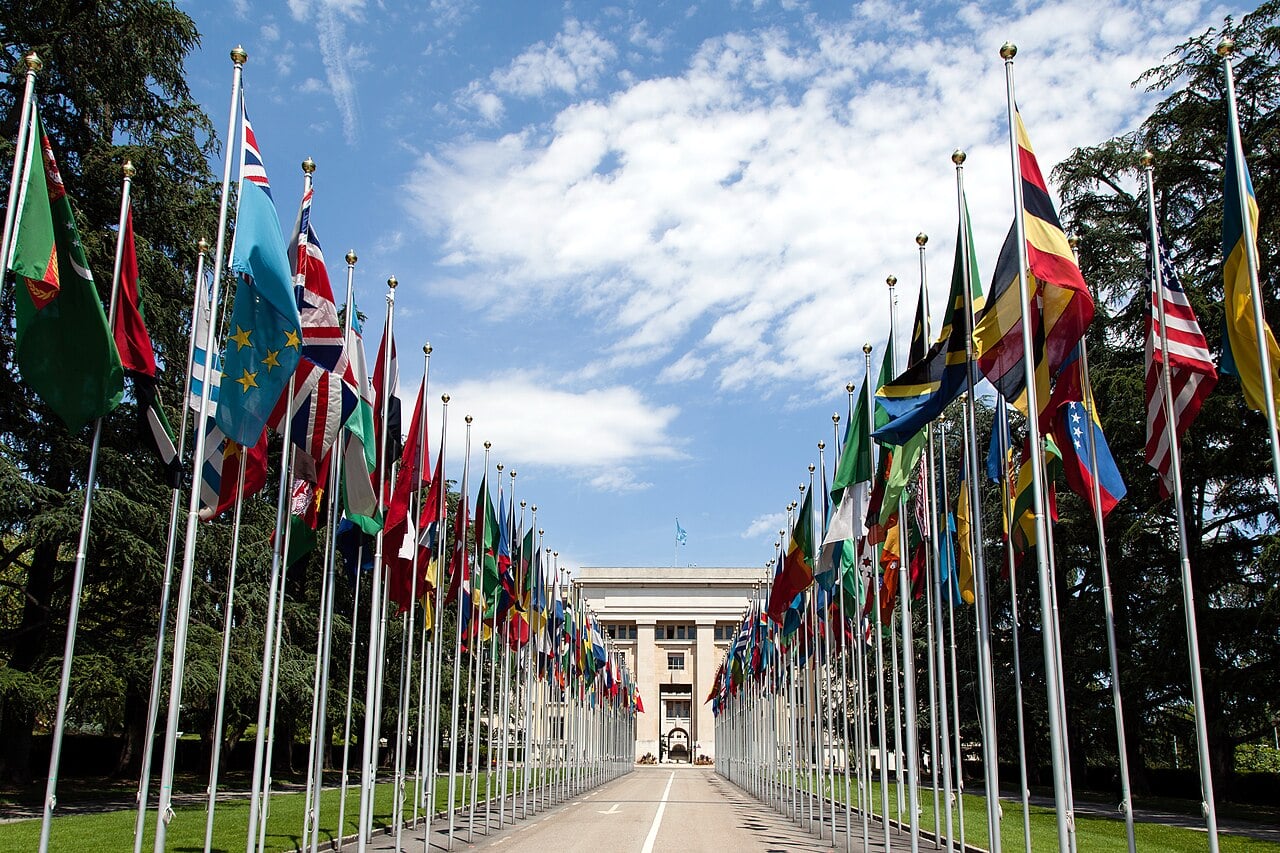
Chile’s Foreign Ministry confirmed on 9 September that the government of President José Antonio Kast is withdrawing the country from the UN tax cooperation negotiations, the talks aimed at producing a Framework Convention on International Tax Cooperation by 2027.
The official reasoning is technical and blunt at once. After reviewing the draft, the ministry said, the text as it stands presents “considerable uncertainties regarding its scope and functioning that could limit sovereignty in tax matters.” Any convention’s objectives, the statement added, must align with Chile’s constitutional framework, its fiscal policy and its existing international commitments.
What Chile Is Leaving
The framework convention is the most ambitious attempt in decades to move rule-making for international taxation away from the OECD club and into the United Nations, where developing countries hold the voting majority. The UN General Assembly approved the initiative in December 2024, negotiations began in 2025, and nine sessions are scheduled through 2027.
The stated goals are broad: cooperation to eliminate tax evasion, base erosion and profit shifting, and a principle that taxpayers — above all multinational corporations — pay tax where economic activity happens and value is created. Early protocols are to address cross-border services and the prevention and resolution of tax disputes.
The decisive break with past practice is procedural. The committee agreed to decide by simple majority, with a two-thirds threshold for protocols. For OECD states used to consensus-based tax diplomacy, majority voting converts the convention from a talking shop into a body that could, in theory, adopt rules over their objection.
The initiative’s backers — led by the Africa Group and supported by much of Latin America, including Brazil — argue that the current system was designed by and for capital-exporting economies. Their draft language asks the convention to integrate taxation with sustainable development and to give net-importing countries a fairer share of taxing rights over cross-border profits and digital services.
An Insider’s Exit
Chile was not a passive participant. At the committee’s organizational session in February 2025, Chilean tax official Liselott Kana was elected rapporteur of the negotiating committee, and Chile took one of the vice-chairs assigned to the Latin American and Caribbean group. The country then attended the fifth negotiation session, held in New York from 3 to 13 August, before the Kast government formed its position.
That trajectory makes the withdrawal more striking. Santiago helped shape the process from the inside, then concluded the emerging text was unacceptable — a judgment the Foreign Ministry framed as the product of detailed technical analysis rather than ideology.

The Company Chile Now Keeps
The only other prominent walkout is the United States, whose representatives left on the first day of the organizational session in February 2025 and declared that Washington would oppose whatever the process produced. Chile’s exit is quieter and narrower: a withdrawal from the negotiations, accompanied by an explicit recognition that international tax cooperation matters and that Chile had been part of the process in good faith.
Domestically, the decision drew immediate support from the libertarian right. Deputy Johannes Kaiser welcomed it with a formulation that has become the government’s shorthand: Chile’s tax decisions must be taken in Chile. Tax-justice campaigners, who had counted Chile among the constructive middle powers in the talks, read the move as a loss for a convention meant to give poorer countries a louder voice on where multinationals pay.
Why It Sits Oddly With Chile’s OECD Posture
The withdrawal is noteworthy precisely because Chile is not a tax-diplomacy outsider. It is a full OECD member, participates in the OECD/G20 Inclusive Framework on base erosion and profit shifting, and has been implementing the international commitments that flow from that work. On most files, Santiago’s instinct is to align with OECD standards rather than contest them.
Stepping out of the UN track therefore reads less like isolationism and more like a choice between two architectures: the OECD-led system Chile already belongs to, and a UN convention that could compete with it. By quitting the talks, the Kast government is signaling that Chile will bind itself through the first, not the second.
The process continues without Santiago. The sixth negotiation session is scheduled for 30 November to 11 December in Nairobi, where new drafts will be reviewed. Chile keeps its seat in every OECD forum; what it has given up is a say in the one room where the rules of global tax cooperation might have been written without it.
This article was produced by The Rio Times’ automated newsroom system. How we use AI · Report an error
In depth
Read More from The Rio Times