A Fund Collapse Could Force Chile’s Azul Onto the Auction Block
Football Business
Key Facts
Azul Azul, the company behind one of Chile’s best-loved football clubs, has become the most prized asset in a financial scandal, and its owners may be forced to sell.
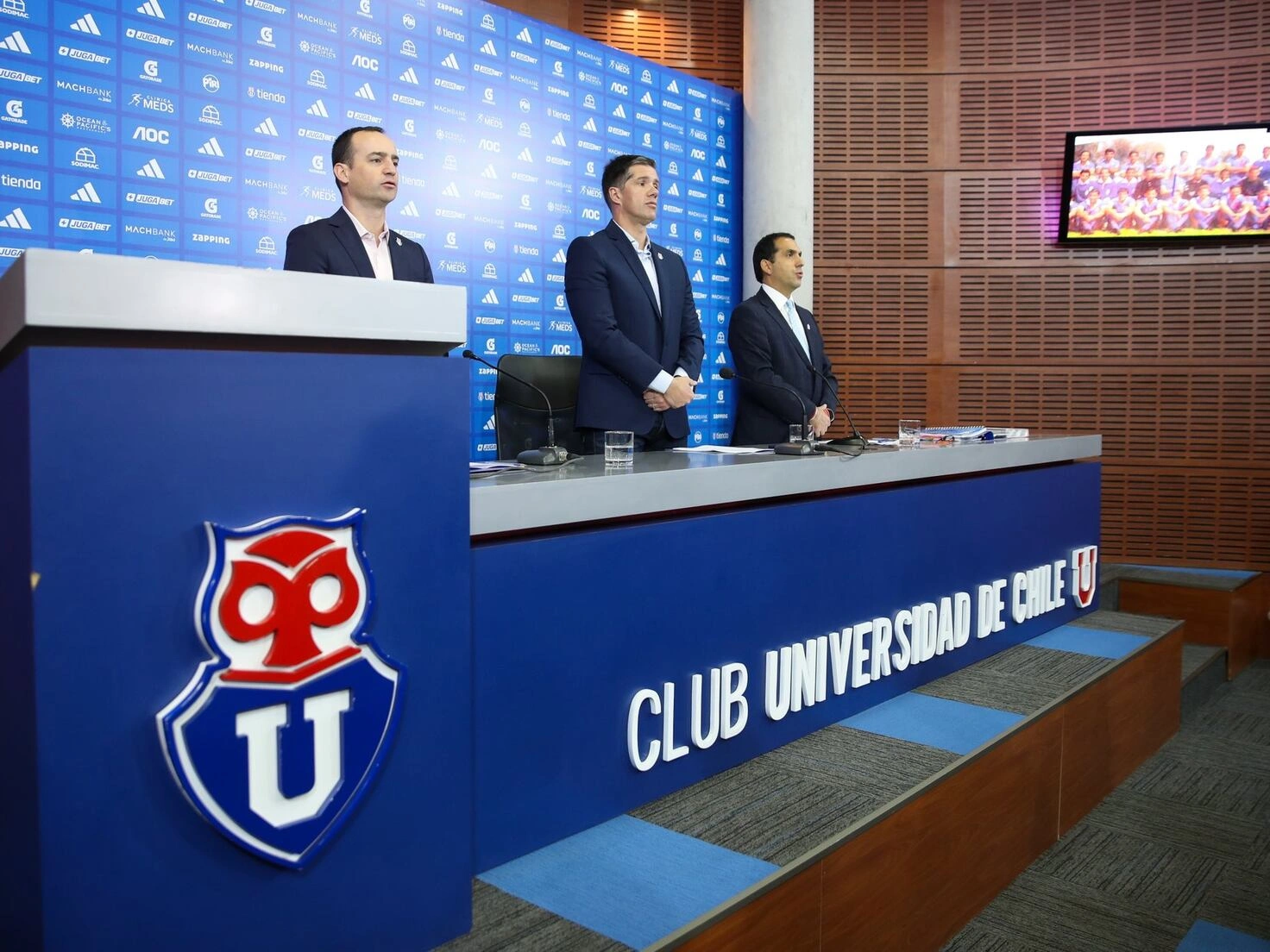
One of Chile’s biggest football clubs could end up on the auction block, dragged there by the collapse of a fund manager that has nothing to do with sport. At the centre sits Azul Azul, the listed company that runs Universidad de Chile, a club known across the region.
Creditors of the failed Sartor group are pressing the courts to claw back the 63 percent stake that controls the club and sell it at public auction. Their aim is simple: turn a trophy asset into cash to repay savers whose money vanished into the wreck.
How a football club ended up in a fraud case
Sartor was a Chilean asset manager that regulators shut down in late 2024, freezing its funds and opening a fraud investigation. Prosecutors say the firm shuffled clients’ money into deals that benefited insiders, and they put the total harm to investors at between $100 million and $200 million.
The control of the club sits inside a private fund called Tactical Sport, whose only real asset is that 63 percent holding. In December 2024, just as the net was closing, businessman Michael Clark bought 90 percent of that fund for about $5.7 million, lifting his stake to full ownership.
Creditors and prosecutors argue the cash never truly changed hands and that the move was a way to spirit the club’s control out of reach. Clark, who led the club for years, stepped down as its president in April to focus on the case.
Why Azul Azul is worth fighting over
For the creditors, the appeal is that the stake is a rare hard asset in a case full of paper losses. At the current share price the 63 percent block is worth around $15.9 million, and a buyer wanting outright control might pay more, as detailed by the business daily Diario Financiero.
The reach of the damage is wide. Among the trapped investors is the husband of the newly elected rector of Universidad de Chile, a reminder that ordinary savers, not just speculators, put money with the firm.
A separate manager, Toesca, is winding down eleven Sartor funds in a process that could run to 2028. For foreign readers, the case is a vivid lesson in how a private-credit blow-up can ripple into the unlikeliest of places, in this instance the ownership of a national football institution.
None of this will be quick. The forced-sale push is disputed, rival insolvency filings are still unresolved, and lawyers on the club’s side warn the dispute could drag through arbitration and the courts for years before any auction is held.
The procedural tangle is real. The lender driving the liquidation is itself contested, because the Sartor holding company filed for a court-supervised reorganisation in a separate tribunal, setting up a clash over which process takes priority.
There is a sporting cost too. The new university leadership has signalled it wants to rewrite the agreement that lets the company use the club’s name and badge, adding a fresh layer of uncertainty for any bidder weighing what control of Azul Azul would actually buy.
More: Chile news in English, every day from The Rio Times.
Live Company IntelligenceAzul S.A. — the full investor dossier
Valuation & profitability
Price & risk
$0.7452-wk high
$3,400.00
Revenue trend · 6y
Ownership
Dividend
Frequently Asked Questions
What is Azul Azul?
It is the listed company that holds the concession to run Universidad de Chile, one of the country’s two largest football clubs. A 63 percent stake confers control, and that block is now at the heart of a legal fight tied to the collapsed Sartor funds.
Why might the club be sold?
Creditors of the failed Sartor group want the controlling stake auctioned to recover money for investors. They argue the holding was moved out of reach as the firm collapsed, and they want a court to reverse that and sell the shares publicly.
How much is the stake worth?
At the current market price the 63 percent stake is worth roughly $15.9 million, though a buyer seeking control could pay a premium. That sits well below the $100 million to $200 million in total investor losses prosecutors attribute to the Sartor case.
Connected Coverage
This article was produced by The Rio Times’ automated newsroom system. How we use AI · Report an error
Read More from The Rio Times