Cabo Verde Blames Brakes for Fogo Bus Crash Killing 25

CABO VERDE · SOCIETY
Key Facts
- —The country Cabo Verde is an Atlantic island nation off West Africa, a former Portuguese colony whose diaspora in the United States rivals its home population.
- —What happened On Monday 12 October, an official inquiry found that a total loss of braking caused the Fogo bus crash of Saturday 5 September.
- —The toll Twenty-five people died and 13 were injured when the bus, carrying mostly students, left the road and fell about 30 metres into a ravine.
- —Other faults The bus carried 38 passengers against a capacity of 30, had handmade brake changes, and its inspection had expired on 28 February.
- —US angle The State Department rates Cabo Verde at Level 1, its lowest risk level, but tells Americans to avoid buses and commuter vans there.
- —Still open No date has been given for a proposed permanent inspection centre on Fogo or for limits on buses on the crater road.
Cabo Verde said on Monday 12 October that total brake failure caused the Fogo bus crash that killed 25 people on 5 September. The bus, carrying mostly students, left a mountain road on Fogo island and fell about 30 metres into a ravine.
The finding reaches beyond the islands, because the Cabo Verdean diaspora in the United States, centred on Massachusetts and Rhode Island, rivals the home population. The inquiry also found the bus overloaded and its inspection expired, echoing a US warning that buses there carry more passengers than is safe.
What the Inquiry Found on Fogo
The commission of inquiry was set up under Resolution No. 104/2026 of Friday 11 September, six days after the Fogo bus crash. The final report was presented in Praia, the capital, on Monday at the Ministry of Internal Administration, which oversees the national police.
Emanuel Almeida, director-general of Road Transport, presented the commission’s findings to journalists. His directorate, known by its Portuguese initials DGTR, is the state body that regulates road transport and shares enforcement duties with the national police.
The report calls the brake failure the direct and decisive cause of the Fogo bus crash, according to Inforpress, the state news agency. It attributes the tragedy to a combination of mechanical, human, road and administrative factors.
The final count stands at 25 dead and 13 injured, the report found. Most of the passengers were students, Expresso das Ilhas, a weekly newspaper in Praia, reported on Monday.
How the Brakes Failed on the Crater Road
Investigators found that the brake drums overheated on a prolonged descent, expanded and lost friction until braking failed completely. The route drops about 773 metres over roughly 25 kilometres, a setting the report classes as high risk.
The brake system showed severe wear and handmade changes, including welds and added metal that altered its original geometry. The drums measured 325 millimetres, above the 322-millimetre maximum the commission cited.
The bus had no auxiliary exhaust brake, a device that helps heavy vehicles hold their speed on long slopes. Investigators also found faults in the steering system.
The bus carried 38 passengers, eight more than its capacity of 30. Its last technical inspection took place on 30 November 2025 and was valid only until 28 February 2026.
The commission ruled out deliberate negligence by the driver. It also ruled out an incapacitating drop in blood sugar, although the driver was diabetic.
The road itself had no metal barriers, walls or other systems to stop a vehicle leaving the carriageway, A Nação reported. The report treats that gap as a vulnerability on a route that needed such protection.
What the Commission Recommends
The commission recommends a permanent vehicle inspection centre on Fogo and digital tachographs, devices that record a vehicle’s speed and driving time. It also calls for stronger checks by the national police and the road transport directorate.
Other proposals include controlling passenger numbers and vehicle weight, and taking unsafe vehicles off the road. Drivers would receive specialised training, especially on keeping brakes from overheating on long descents.
The government is working with Estradas de Cabo Verde, the state roads company, and the São Filipe municipal council on the route. One option is to limit heavy passenger vehicles on the stretch of the Fogo bus crash, A Nação, a Praia weekly, reported.
Communities on Fogo have received psychological support, including in schools, Inforpress reported. A month after the crash, pain and suffering persisted in the affected families, RTC, the public broadcaster, reported on 5 October.
What It Means for US Readers
Cabo Verde’s diaspora in the United States rivals the population of the islands themselves, the State Department says. That community is concentrated mainly in Massachusetts and Rhode Island.
The State Department rates Cabo Verde at Level 1, exercise normal precautions, in an advisory issued on 18 December 2025. Its country page tells Americans to avoid buses and commuter vans, which often carry more passengers than is safe.
The same page warns that roads on islands other than Santiago, Sal and São Vicente are mostly narrow, winding and cobbled. It adds that cobblestone roads are especially slippery in the rainy season, from July to October.
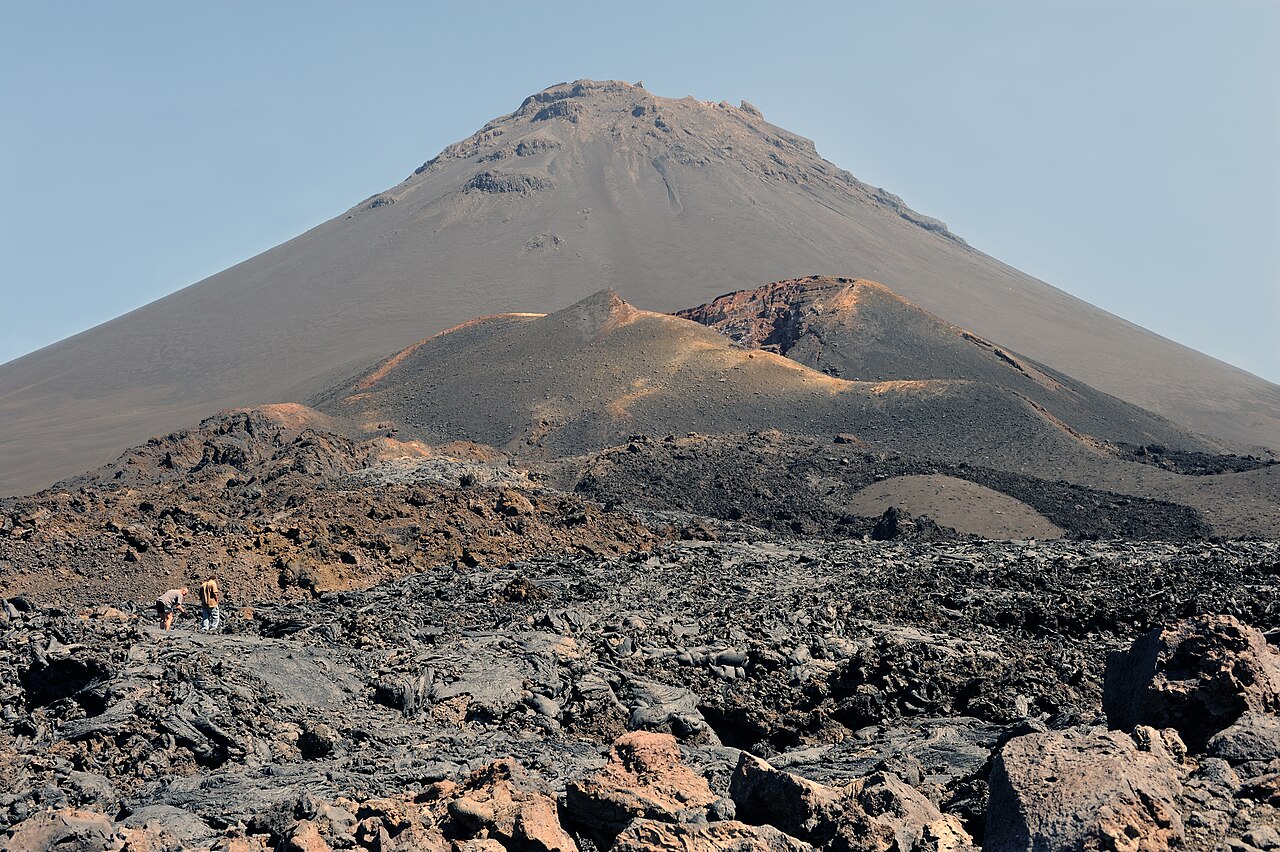
Visitors bound for Chã das Caldeiras, the village inside the crater of the Pico do Fogo volcano, travel this mountain route. The safety measures proposed after the Fogo bus crash have no published timetable yet.
What Is Not Known
The government has not said when the proposed inspection centre or tachograph rule will take effect, or what they will cost. Nor has it decided whether heavy passenger vehicles will be barred from the crater road.
Officials did not say whether prosecutors will act over the Fogo bus crash, or whether the bus owner faces penalties for the expired inspection. The inquiry was technical and administrative, and its findings do not settle criminal responsibility.
The report does not mean Cabo Verde’s roads are unsafe across the board, and the US advisory remains at its lowest level. It does show how a worn, overloaded bus on a steep road can turn an ordinary trip into a national tragedy.
More: Africa news in English, every day from The Rio Times.
Frequently Asked Questions
What caused the Fogo bus crash in Cabo Verde?
An official inquiry found that the brakes overheated on a long descent and failed completely. Worn and modified brakes, overloading, an expired inspection and a road without barriers also contributed.
When and where did the crash happen?
The bus crashed on Saturday 5 September 2026 on Fogo island, on the road between Chã das Caldeiras and Campanas de Cima. Twenty-five people died and 13 were injured in the Fogo bus crash.
Who investigated the crash?
A commission of inquiry created under Resolution No. 104/2026 of 11 September investigated it. Emanuel Almeida, director-general of Road Transport, presented its final report in Praia on Monday 12 October.
Is it safe for Americans to travel to Cabo Verde?
The State Department rates Cabo Verde at Level 1, exercise normal precautions. It advises Americans to avoid buses and commuter vans, which often carry more passengers than is safe.
What changes does the report propose?
It recommends a permanent inspection centre on Fogo, digital tachographs, stronger police checks, passenger limits and better driver training. The government is also studying limits on heavy passenger vehicles on the crater road.
Sources: Expresso das Ilhas, 12 October 2026; Inforpress, 12 October 2026; A Nação, 12 October 2026; Expresso das Ilhas, 10 October 2026; RTC, TCV Jornal da Noite, 5 October 2026; US Department of State, Cabo Verde country information, 12 October 2026; US Department of State, U.S. Relations With Cabo Verde, 12 October 2026.
This article was produced by The Rio Times’ automated newsroom system. How we use AI · Report an error · Editorial responsibility: Matthias Camenzind, Editor-in-Chief