Buying Property in Argentina as a Foreigner
Argentina · Step by Step
Key Facts
- Equal rights. Foreigners can buy urban property on the same terms as locals — no visa or residency required.
- You'll need a CDI. A tax ID for non-residents from ARCA (formerly AFIP), arranged before you can sign.
- It's a cash market. Almost all deals are done in physical US dollars or wire — mortgages for foreigners barely exist.
- The escribano is key. A neutral notary runs the title search and the deed; you pick and pay yours.
- Budget 6–10%. Closing costs — stamp tax, escribano, agent, registry — add up on top of the price.
Dreaming of a Palermo apartment or a place in the wine country? Good news — buying property in Argentina as a foreigner is wide open, with the same rights locals enjoy. The catch is that it's an all-cash, US-dollar world with its own rituals. Here's a friendly walk-through of how it really works, and what it costs.
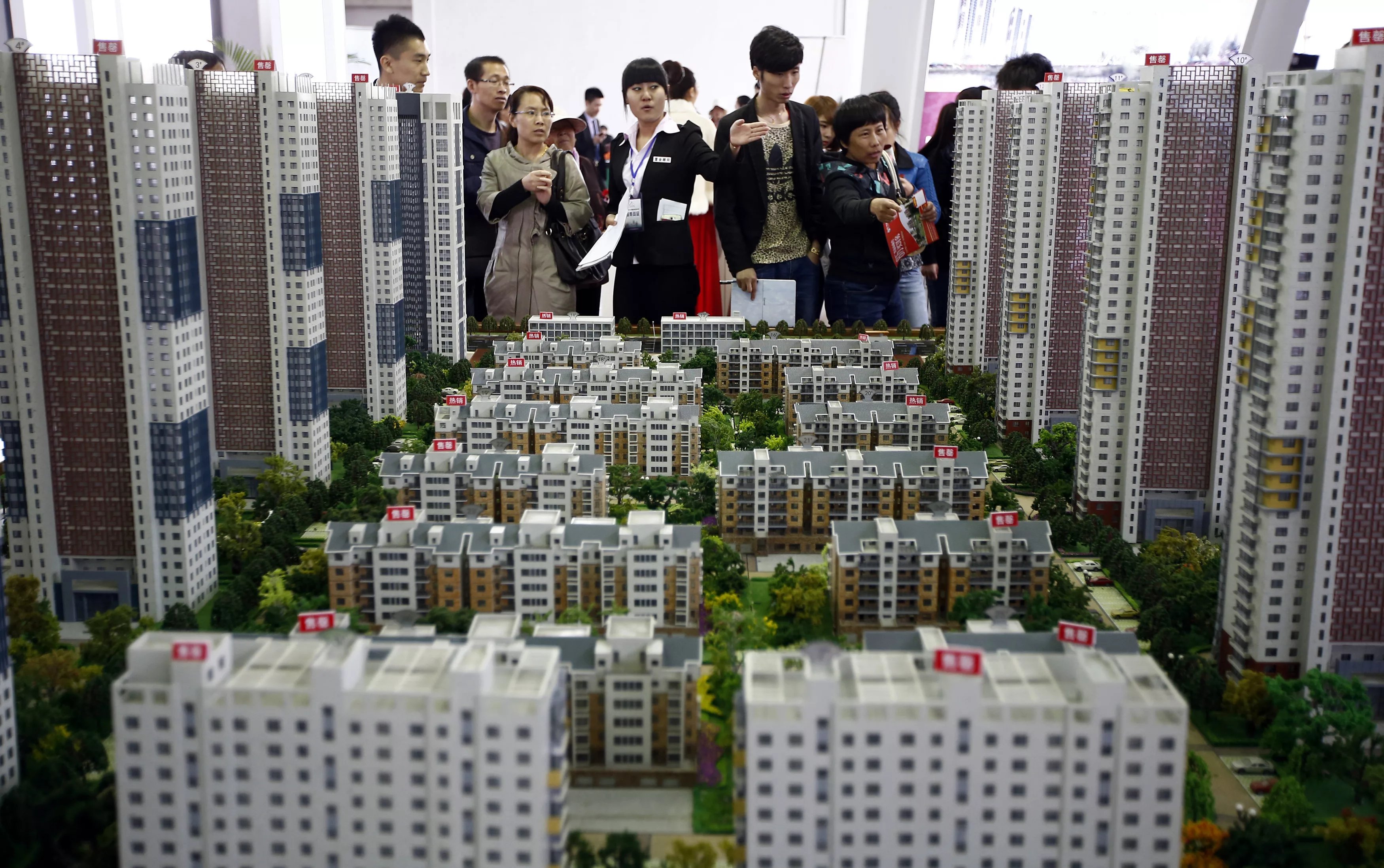
Yes, foreigners can buy
Let's clear the big question first: foreigners have the same rights as Argentine citizens to own urban property, and you don't need a visa or residency to do it. You can buy an apartment in Buenos Aires in your own name outright, full stop.
The main exceptions are rural land and property in border zones, which face some restrictions, but for the city flat or the house most expats want, the door is fully open. Combined with a weak peso and dollar-priced bargains, that's why so many foreigners have been buying.
First, get your CDI
Before you can sign anything, you need a tax identification number. For a non-resident that's the CDI (Clave de Identificación), issued by ARCA — Argentina's tax authority, the agency formerly called AFIP.
You'll need your passport, a local address and a simple form, and a local abogado can obtain the CDI on your behalf with a power of attorney, usually within a week or two, without you being present. Sort this early: plenty of buyers arrive ready to make offers and then lose days waiting on the CDI they should have arranged in advance.
It’s a cash, dollar market
Here's the cultural shock for many newcomers: Argentine real estate runs on physical US dollars. Mortgages for non-residents are effectively unavailable, so the vast majority of deals are paid in cash — literally counted at the closing — or by international wire.
That sounds dramatic, but escribanos handle it routinely and securely. The upside is that a cash buyer has real negotiating leverage, especially in dollars, so don't be shy about making an offer below asking.
If you need financing, arrange it at home before you come.
The escribano and the deed
The star of the show is the escribano, a specialised notary who acts as a neutral public official — not your personal lawyer, so you should also have your own abogado. The escribano runs the estudio de títulos (a title search going back decades) to confirm the seller owns the property free of liens, checks that taxes and expensas are paid, drafts the escritura (the public deed), collects the taxes, and registers the transfer.
The deal moves from a reservation and a boleto (a sale agreement) to the escritura signing, where the deed is read aloud, the money changes hands, and you get the keys. Importantly, you choose and pay your escribano — never just use the seller's.
What it costs, and closing remotely
Plan for closing costs of roughly 6 to 10% of the price on top of the purchase amount, and ask for an itemised estimate up front. The main lines are the stamp tax (impuesto de sellos, a few percent, often split with the seller), the escribano's fee (around 1 to 2% plus VAT), the agent commission, and registry fees, plus translation and apostille costs for your foreign documents.
If you can't be in Argentina for the signing, your abogado can act for you with a poder (power of attorney) that's notarised and apostilled at home — so start that early. Done with a good escribano and your own lawyer, the process is secure and surprisingly quick.
More: Argentina news in English, every day from The Rio Times.
Frequently Asked Questions
Can a foreigner buy property in Argentina?
Yes, with the same rights as a citizen for urban property, and no visa or residency required. Rural and border-zone land face some restrictions.
What ID do I need to buy?
A CDI (tax identification number for non-residents) from ARCA, which a local lawyer can obtain for you, often within a week or two, with a power of attorney.
Do Argentine banks give foreigners mortgages?
Effectively no. The market runs on cash — physical US dollars or wire transfer — which also gives cash buyers strong negotiating power.
What is an escribano?
A specialised, neutral notary who runs the title search, drafts the deed (escritura), collects taxes and registers the sale. You choose and pay your own — never the seller's.
How much are closing costs?
Roughly 6 to 10% of the price: stamp tax, escribano fee, agent commission, registry fees, plus translations and apostilles. Always get an itemised estimate first.
This guide is general information, not legal, tax, immigration or financial advice. Argentina's rules change often, so confirm current requirements with official sources — Migraciones, ARCA/AFIP and the Banco Central — and consult a qualified Argentine abogado or contador before acting. Information is current as of June 2026.
This article was produced by The Rio Times’ automated newsroom system. How we use AI · Report an error
Read More from The Rio Times