Nearly 300 Empty Storefronts Line Buenos Aires’s Main Avenues
Markets
Key Facts
—The count. A survey found 291 vacant shops on Buenos Aires’s main commercial avenues in May and June, the year’s highest.
—The trend. That is up 22.3% from a year earlier and 5.1% from the previous two months.
—The worst hit. Vacancies jumped on Avenida Rivadavia, Cabildo and Pueyrredón; some traditional strips saw a mild recovery.
—The cause. Weak consumption, high rents and taxes, and a shift to online shopping are pushing shops to close.
—The backdrop. Argentina has lost about 26,000 active companies since late 2023, a fall of roughly 5%.
The number of empty storefronts on Buenos Aires’s main avenues has climbed to its highest level of the year. It is a street-level sign that Argentina’s recovery has not yet reached the shop counter.
The count comes from the Argentine Chamber of Commerce and Services, which has tracked these corridors since 2014. In May and June it logged 291 shops closed, for sale or for rent.
Where the empty storefronts are
That total was up 22.3% on the same months of 2025, and 5.1% higher than the March-April reading of 277. It marks the most vacancies since the year began.
The pain was uneven across the city. Empty units jumped on stretches of Avenida Rivadavia, Cabildo and Pueyrredón, three long shopping arteries that a resident would know well.
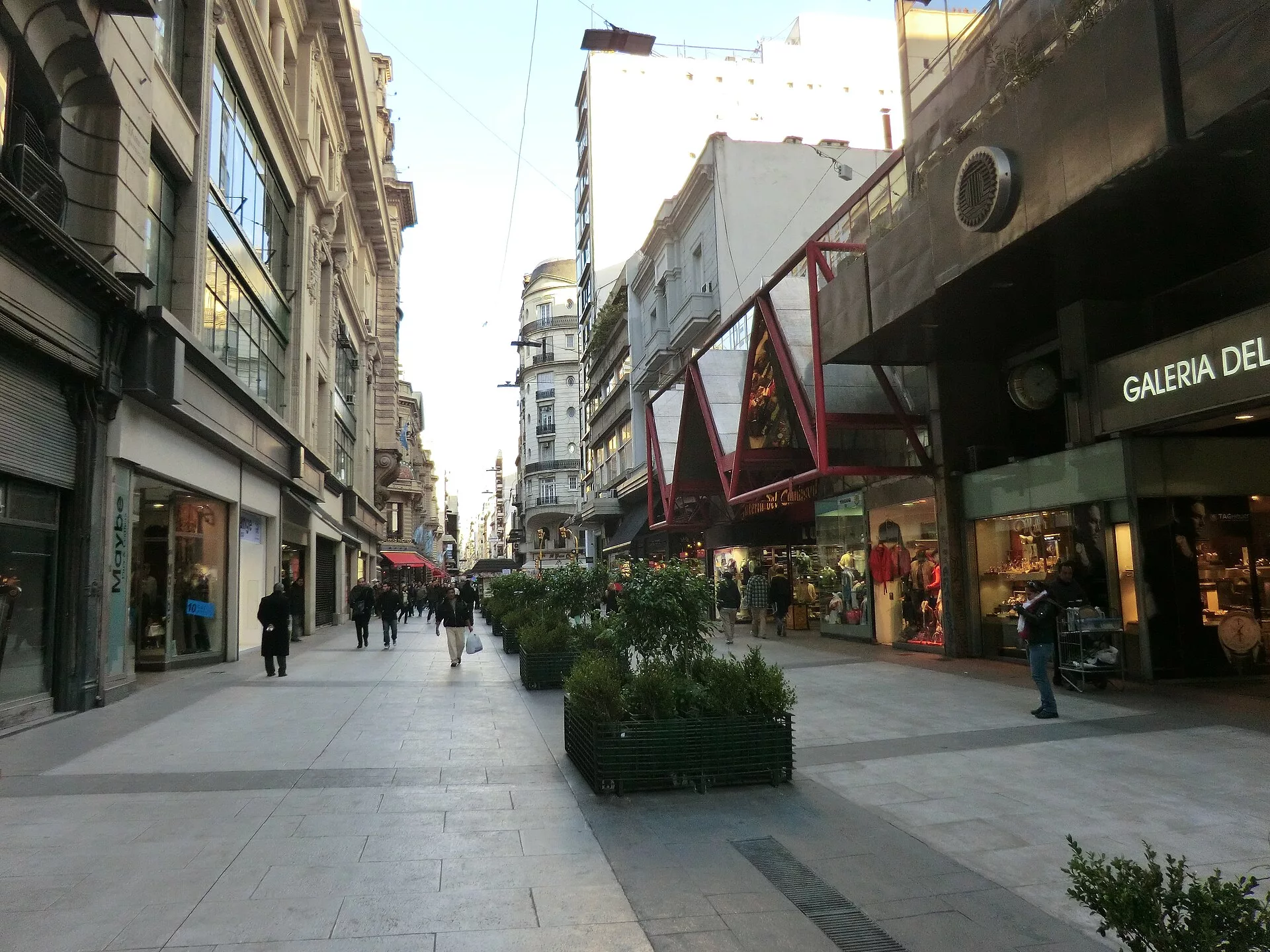
Some traditional strips went the other way. The Florida pedestrian street, Avenida Córdoba and parts of Santa Fe and Corrientes saw vacancies ease, a sign of an uneven, patchy market.
Why shops are closing
The chamber links the rise to a sustained fall in sales, which pushes owners to shut or move online. Mass consumption fell 1.6% in May from a year earlier and is down about 3% over the first five months.
Rents and taxes are the other weight. For many shopkeepers on the big avenues, keeping up with rent and levies has become the deciding factor in whether to carry on.
Clothing, the mainstay of these avenues, has been hit hard as buyers move to e-commerce. The result is more shutters down on corridors that once bustled.
The wider squeeze on business
The empty shops sit within a broader shrinkage. Between November 2023, just before Milei took office, and March 2026, Argentina lost 26,448 active companies, a drop of 5.2%, according to the official Superintendencia de Riesgos del Trabajo (SRT). Our reporting has shown that more than 28,000 companies have closed during Milei’s tenure, with a 130 percent jump in corporate default filings as higher local borrowing costs and exchange-rate reforms left many firms unable to refinance dollar-denominated debt.
That is the soft underside of the two-speed economy. While energy, mining and farming exports power ahead, consumer-facing trade and the high street are still waiting for their turn.
The company count has now fallen for two straight years, sliding to 485,909 in March from 512,357 before Milei took office. That is close to where it stood back in 2021.
For a foreign reader, the vacant windows are a useful reality check. The headline numbers on growth and inflation are real, but so is the strain visible on Buenos Aires’s most famous shopping streets.
How many empty storefronts are there in Buenos Aires?
A survey by the Argentine Chamber of Commerce and Services counted 291 vacant shops on the city’s main commercial avenues in May and June 2026, the highest total of the year. That was up 22.3% from a year earlier.
Why are so many shops closing?
The main driver is weak consumer spending, which fell about 3% over the first five months of 2026. High rents and taxes, plus a shift to online shopping, especially for clothing, are pushing many shopkeepers to close.
What does this say about Argentina’s economy?
It highlights the two-speed nature of the recovery. Energy and farm exports are booming, but consumer-facing trade lags, and the country has lost about 26,000 active companies since late 2023.
Frequently Asked Questions
How many vacant shops were recorded on Buenos Aires's main commercial avenues in May and June?
A survey found 291 vacant shops during that period, which was the highest count of the year. This total was up 22.3% from a year earlier and 5.1% from the previous two months.
Which commercial avenues were the worst hit by shop vacancies?
Vacancies jumped on stretches of Avenida Rivadavia, Cabildo and Pueyrredón. However, some traditional strips like the Florida pedestrian street saw a mild recovery.
What factors are causing shops to close in Buenos Aires?
Weak consumption, high rents and taxes, and a shift to online shopping are pushing shops to close. This is occurring against a backdrop where Argentina has lost about 26,000 active companies since late 2023.
Connected Coverage
Argentina Economy Grows but the Two-Speed Split Deepens
This article was produced by The Rio Times’ automated newsroom system. How we use AI · Report an error · Editorial responsibility: Matthias Camenzind, Editor-in-Chief
LatAm Markets: Live Signals → — real-time movers, turnover leaders and FX across Latin America.
Living in or visiting Buenos Aires? See this month's events and our Buenos Aires city guide with rents, safety and upcoming concerts.