Breaking the Corruption Cycle: IMF’s Radical Plan for DRC
The Democratic Republic of Congo (DRC) confronts a defining moment. The IMF’s $2.87 billion funding package arrives with profound conditions that could reshape the DRC’s economic landscape.
This isn’t merely financial assistance—it’s a strategic intervention into DRC’s complex economic ecosystem. The package is divided into two critical components: $1.77 billion dedicated to economic reforms and $1.1 billion earmarked for climate initiatives.
The most radical demand requires consolidating 3,625 government accounts into a single treasury account—a move designed to eliminate financial opacity.
DRC’s economic paradox is stark. Its mining sector generates impressive growth, yet three-quarters of its population survives on less than $2.15 daily.
The IMF’s reforms target this fundamental disconnect, aiming to transform systemic inefficiencies and combat institutional corruption. The Treasury Single Account strategy addresses a critical vulnerability.
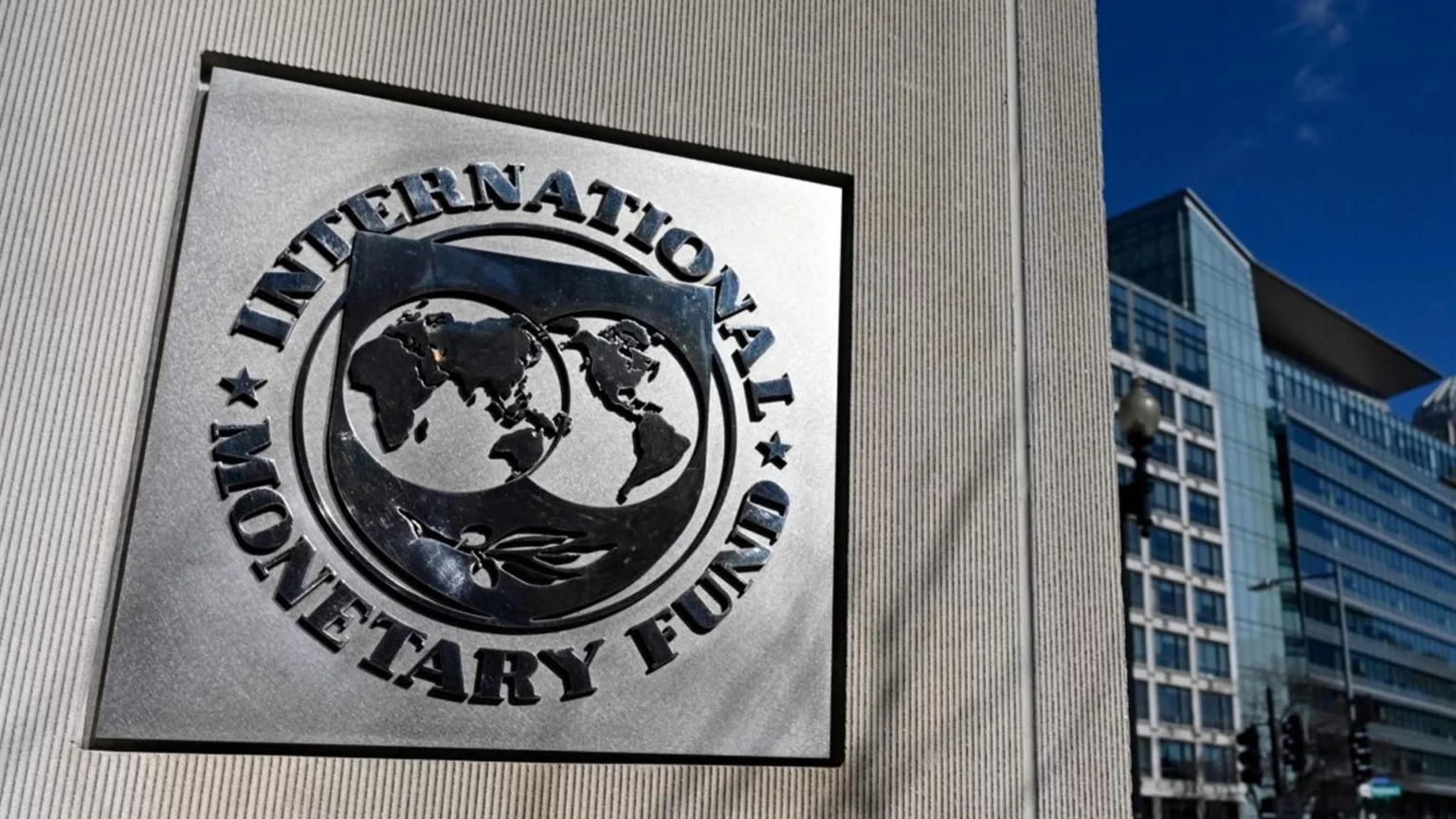
Currently, 607 ministry accounts, 121 state institution accounts, and nearly 2,900 supplementary accounts create a labyrinth of potential financial mismanagement.
IMF-Driven Financial Reforms in the DRC
Consolidation promises increased transparency and accountability. Neighboring countries offer cautionary perspectives. Kenya’s similar reforms triggered civil unrest and banking disruptions.
Uganda and Tanzania have already implemented comparable measures, establishing a regional precedent of IMF-driven financial restructuring.
DRC’s mining sector—representing 98.9% of national exports—stands at a potential turning point. Recent Chinese contract renegotiations increased infrastructure investments from $3 billion to $7 billion, signaling possible economic transformation.
The broader context remains challenging. Six million people remain internally displaced. Food insecurity threatens 25 million citizens. Ongoing conflicts in eastern regions complicate any potential economic recovery.
This isn’t a simple financial transaction. It represents a high-stakes negotiation between international financial institutions and a resource-rich nation struggling to define its economic destiny.
The IMF believes disciplined financial management could unlock DRC’s dormant economic potential. The fundamental question remains: Can DRC convert international pressure into genuine national progress?
The next three years will reveal whether this deal represents a path to economic sovereignty or another chapter of external economic control.
More: Tanzania news in English, every day from The Rio Times.
This article was produced by The Rio Times’ automated newsroom system. How we use AI · Report an error · Editorial responsibility: Matthias Camenzind, Editor-in-Chief
Part of our ongoing coverage
Africa: The New Scramble — the great-power contest over the continent.