IBOV 175,664.62 ▲ 0.30% IPSA 11,445.90 ▼ 0.22% IPC MEX 65,484.32 ▼ 0.53% MERVAL 2,979,472 ▼ 0.72% COLCAP 2,457.87 ▼ 1.28% BVL PERÚ 60,779.49 ▼ 1.40% USD/BRL5.21▲ 0.39% USD/MXN17.03▲ 0.26% USD/CLP930.58— 0.00% USD/COP3,202▲ 2.39% USD/PEN3.35▼ 0.07% USD/ARS1,512— 0.00% USD/UYU40.27▲ 1.50% USD/PYG5,900▲ 0.50% USD/BOB11.78▲ 3.59% USD/DOP58.61▲ 0.96% USD/CRC446.65▲ 0.98% USD/GTQ7.62▲ 2.25% USD/HNL26.84▲ 0.40% USD/NIO36.62▼ 0.02% USD/VES789.69▼ 0.13% USD/PAB1.00— 0.00% USD/BZD2.00— 0.00% USD/JMD 157.28 — 0.00% USD/TTD6.72▲ 0.77% EUR/BRL6.01▲ 0.17% BRENT 88.88 ▼ 0.03% WTI 83.11 ▼ 0.11% IRON ORE 161.91 — — COPPER 6.61 ▲ 0.03% GOLD 4,461 ▲ 1.78% SILVER 65.59 ▲ 1.26% SOY 1,184 ▲ 3.20% CORN 480.50 ▲ 10.02% WHEAT 655.00 ▲ 3.93% COFFEE 317.25 ▼ 5.51% SUGAR 16.43 ▼ 1.79% ORANGE JUICE 138.55 ▼ 0.47% COTTON 85.03 ▲ 2.33% COCOA 5,719 ▲ 3.18% BEEF 223.60 ▼ 3.93% CATTLE 339.10 ▼ 3.16% LITHIUM 75.20 ▲ 1.47% PETR4 41.64 ▼ 0.05% VALE3 72.97 ▲ 0.83% ITUB4 38.60 ▼ 1.03% BBDC4 16.85 ▲ 0.36% ABEV3 14.89 ▼ 0.80% BBAS3 19.37 ▲ 0.47% B3SA3 14.26 ▼ 0.21% WEGE3 47.59 ▲ 0.49% PRIO3 59.14 ▼ 0.19% SUZB3 41.33 ▲ 2.35% RENT3 34.68 ▼ 0.09% AZZA3 15.89 ▼ 2.63% CSAN3 3.22 ▼ 1.83% RAIZ4 0.25 — 0.00% PCAR3 2.75 ▼ 0.36% GMAT3 3.65 ▼ 1.08% PSSA3 48.13 ▼ 0.54% CVCB3 1.33 ▼ 2.92% POSI3 3.36 ▲ 2.44% SLCE3 13.34 ▲ 0.30% NATU3 8.14 ▼ 0.73% IBOV 175,664.62 ▲ 0.30% IPSA 11,445.90 ▼ 0.22% IPC MEX 65,484.32 ▼ 0.53% MERVAL 2,979,472 ▼ 0.72% COLCAP 2,457.87 ▼ 1.28% BVL PERÚ 60,779.49 ▼ 1.40% USD/BRL 5.16 ▲ 0.01% USD/MXN 17.06 ▼ 0.24% USD/CLP 913.98 ▲ 0.04% USD/COP 3,140 ▲ 0.03% USD/PEN 3.36 ▼ 0.66% USD/ARS 1,493 ▲ 0.10% USD/UYU 40.27 ▲ 1.24% USD/PYG 5,939 ▲ 1.68% USD/BOB 11.64 ▼ 0.76% USD/DOP 58.34 ▲ 1.25% USD/CRC 445.92 ▲ 0.89% USD/GTQ 7.62 ▲ 2.21% USD/HNL 26.79 ▲ 1.57% USD/NIO 36.62 ▲ 0.69% USD/VES 762.44 ▼ 0.13% USD/PAB 1.00 — 0.00% USD/BZD 2.00 — 0.00% USD/JMD 157.28 — 0.00% USD/TTD 6.70 ▲ 0.61% EUR/BRL 5.95 ▲ 1.01% BRENT 88.88 ▼ 0.03% WTI 83.11 ▼ 0.11% IRON ORE 161.91 — — COPPER 6.61 ▲ 0.03% GOLD 4,461 ▲ 1.78% SILVER 65.59 ▲ 1.26% SOY 1,184 ▲ 3.20% CORN 480.50 ▲ 10.02% WHEAT 655.00 ▲ 3.93% COFFEE 317.25 ▼ 5.51% SUGAR 16.43 ▼ 1.79% ORANGE JUICE 138.55 ▼ 0.47% COTTON 85.03 ▲ 2.33% COCOA 5,719 ▲ 3.18% BEEF 223.60 ▼ 3.93% CATTLE 339.10 ▼ 3.16% LITHIUM 75.20 ▲ 1.47% PETR4 41.64 ▼ 0.05% VALE3 72.97 ▲ 0.83% ITUB4 38.60 ▼ 1.03% BBDC4 16.85 ▲ 0.36% ABEV3 14.89 ▼ 0.80% BBAS3 19.37 ▲ 0.47% B3SA3 14.26 ▼ 0.21% WEGE3 47.59 ▲ 0.49% PRIO3 59.14 ▼ 0.19% SUZB3 41.33 ▲ 2.35% RENT3 34.68 ▼ 0.09% AZZA3 15.89 ▼ 2.63% CSAN3 3.22 ▼ 1.83% RAIZ4 0.25 — 0.00% PCAR3 2.75 ▼ 0.36% GMAT3 3.65 ▼ 1.08% PSSA3 48.13 ▼ 0.54% CVCB3 1.33 ▼ 2.92% POSI3 3.36 ▲ 2.44% SLCE3 13.34 ▲ 0.30% NATU3 8.14 ▼ 0.73%
since 2009
Sunday, August 30, 2026

Brazil Business - Brazil

Brazil’s Water Agency declares critical situation on water scarcity in Paraná river basin region

By · June 2, 2021 · 2 min read

Daily Brief

The morning intel from across Latin America. Free.

By subscribing you agree to our privacy policy. We never share your email.

RIO DE JANEIRO, BRAZIL – Brazil’s National Water Agency (ANA) has decided to declare a critical situation over the scarcity of water resources in the Paraná basin region, home to Brazil’s main hydroelectric reservoirs, until November 30, amid a rainfall crisis that is affecting the country and placing pressure on the energy sector.
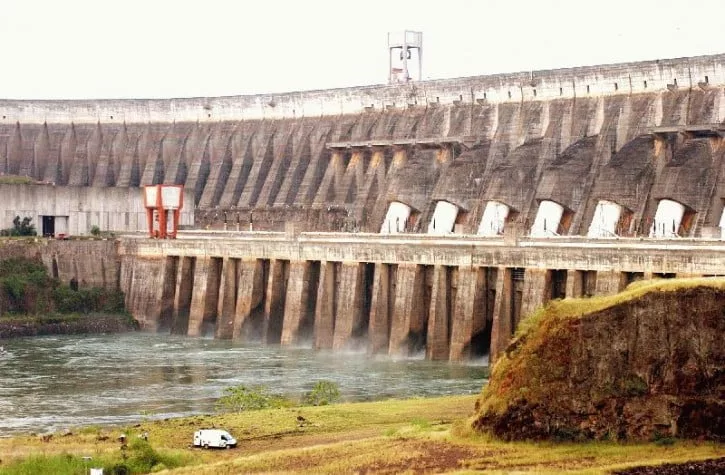
The agency pointed out that the Paraná hydrographic region serves several functions “of economic and social importance,” as well as concentrating the largest hydroelectric reservoirs, Brazil’s main energy source (Photo internet reproduction)
One-stop reference
Company Intelligence
Every listed company in Latin America — financials, ownership and structure for 1,450+ companies across 26 exchanges, in one place.
Browse the directory →
RT
Ask Rio Times
Latin American markets, currencies and companies.
Open the full Ask Rio Times →

Accordingly, the agency “may set transitional conditions for the operation of reservoirs or specific water systems,” aiming to ensure multiple water use,” according to an ordinance published in an extra edition of the Federal Gazette on Tuesday evening.

“If needed, specific decrees will be issued to establish other rules for water use in order to ensure multiple use,” points out the notice, signed by ANA’s director-president Christianne Dias Ferreira.

The agency pointed out that the Paraná hydrographic region serves several functions “of economic and social importance,” as well as concentrating the largest hydroelectric reservoirs, Brazil’s main energy source.

According to ANA, the water emergency declaration considers the need to implement specific measures amid a drought scenario, including intense coordination with state agencies.

The agency may also establish other rules for water use in order to ensure multiple uses during the critical period. ANA will also set up a technical group to monitor the situation, with the involvement of state water resources management agencies.

In parallel, the Electricity Sector Monitoring Committee (CMSE), led by the Ministry of Mines and Energy, said after a meeting on Tuesday night that “the scenario of attention regarding the service conditions remains,” given the forecasts of a short-term lack of significant rainfall.

The committee stressed again that it will be important to relax restrictions on the operation of several hydroelectric plants to preserve the level of reservoirs and meet the demand for energy until November, midway through the dry season.

Representatives from ANA, IBAMA (Brazilian Institute of the Environment and Renewable Resources) and the Federal Prosecutor’s Office attended the CMSE meeting.

The entity “reiterated the guarantee of electric energy supply in 2021 to Brazilian consumers,” but stressed “the importance of the efficient use of water and electric energy, preventing waste.”

Minister of Mines and Energy Bento Albuquerque stated again on Tuesday night that he sees no risk of energy rationing despite the water crisis. “I think we are conducting things adequately and with great transparency,” he said.

He also said that “the current situation is completely different from 2001,” when the country faced a historic electricity rationing, and from 2014 and 2015, when the system was also pressured by a shortage of rainfall.

According to him, the government launched “awareness campaigns” late last year on energy saving and intends to maintain these initiatives throughout 2021.

This article was produced by The Rio Times’ automated newsroom system. How we use AI · Report an error

Read More from The Rio Times

The Rio Times · Power Map
See who really holds power in Latin America
Click to open the Power Map

Rotate for Best Experience

This report is optimized for landscape viewing. Rotate your phone for the full experience.