Brazil’s Watchdog Becomes Billion-Dollar Mediator as Government Negotiations Soar
According to official documents from Brazil’s Federal Court of Accounts (TCU), direct negotiations mediated by the tribunal between companies and the federal government have surpassed R$180 billion (US$36 billion).
This marks a dramatic expansion of TCU’s role beyond traditional oversight functions. TCU’s Secretariat for External Control of Consensual Solutions and Conflict Prevention (Consenso) has processed 36 negotiation requests since 2023.
The secretariat successfully finalized 14 agreements while 11 others remain under analysis. These negotiations span telecommunications, transportation infrastructure, energy, and healthcare sectors.
President Luiz Inácio Lula da Silva directly supported TCU’s mediation authority last year. He disbanded a competing mediation initiative from the Attorney General’s Office after a power struggle erupted between the agencies.
This decision cemented TCU’s position as the government’s primary negotiation facilitator. The Biotechnology Health Industrial Complex showcases TCU’s expanded role.
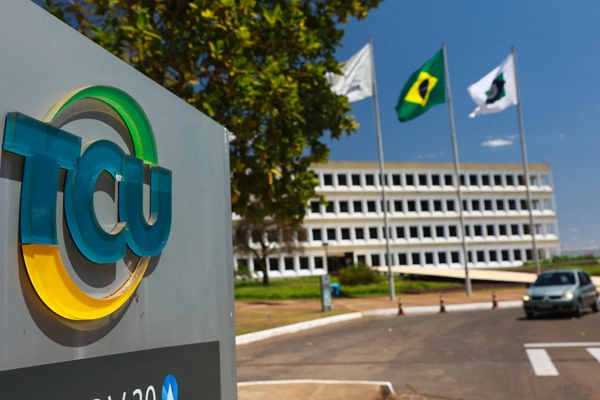
TCU’s Role in Unlocking Investments
The Health Ministry approached TCU when an investment consortium failed to raise R$1.2 billion for the critical project. The ministry sought to preserve the original R$9.7 billion contract without initiating a new bidding process.
Railway concessions represent another significant portion of mediated agreements. The government strategically renegotiates these contracts to fund new infrastructure projects. MRS Railways recently added R$2.6 billion to its concession through this process.
Critics argue TCU oversteps its authority by simultaneously acting as controller and mediator. They worry about reduced transparency since several high-value negotiations remain confidential.
TCU President Vital do Rêgo Filho defends the approach. “Consenso unlocks investments that were previously stuck in litigation,” he stated. He emphasized that TCU merely moderates discussions while relevant ministries and regulatory agencies make final decisions.
Private companies overwhelmingly support the system. “The tribunal provides legal security for agreements that wasn’t available before,” one executive noted. Via Brasil BR-163 and Rumo Railways publicly endorsed the process.
The agreements tackle pressing infrastructure challenges while providing regulatory certainty. This pragmatic approach attracts private investment to strategic sectors despite ongoing concerns about TCU’s expanded influence over public policy.
More: Brazil news in English, every day from The Rio Times.
This article was produced by The Rio Times’ automated newsroom system. How we use AI · Report an error
Read More from The Rio Times