Brazil’s Supreme Court Postpones Decision on Decriminalization of Drug Possession
SÃO PAULO, BRAZIL – A judicial discussion of whether or not Brazil would enter the list of nations that decriminalize the possession of certain drugs for personal use has been postponed. It was due to return to the country’s Supreme Court (STF) docket at the beginning of November, but was postponed and no new date has been set.

“The ruling on this issue is already overdue in Brazil. In many countries in Latin America drug possession is already decriminalized. Brazil will be one of the last countries to discuss the adoption of this stance,” Henrique Apolinario, lawyer for the human rights group, Conectas, told The Rio Times.
The Court had scheduled the ruling for November 5th, but Chief Justice, Jose Antonio Dias Toffoli, decided to withdraw the issue from the Court’s agenda indefinitely. The issue has been on the docket since 2015, and three Justices have already voted for the decriminalization.
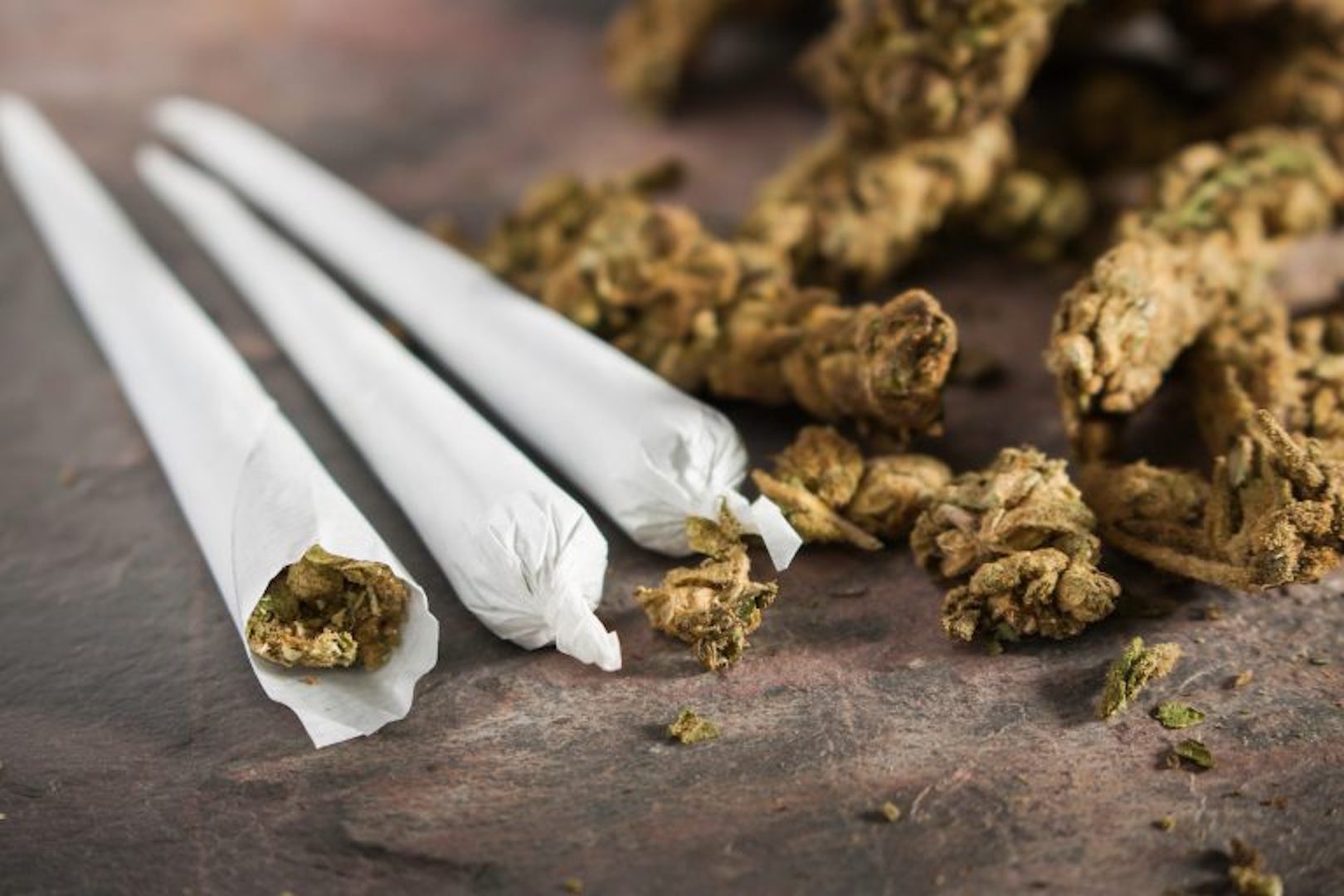
In 2006 Brazil introduced the Drug Law which freed those caught with drugs meant for personal use from jail time, but increased drug trafficking jail sentences from a minimum of three years to five years. But according to human rights activists the law still today does not clearly distinguish what is for personal consumption and what is trafficking.
According to a study conducted by ABJ (Brazilian Association of Applied Statistics of the Law), official records of the São Paulo State Department of Public Security from 2012 to 2017 shows that those caught with 23 grams of marijuana have a 50 percent chance of being considered a user and 50 percent change of being convicted as a trafficker.
According to Conectas, since the police decide arbitrarily who is ‘carrying for personal use and who is going to sell’, a bias against poorer communities is clearly seen, with the majority of those incarcerated being black and poor.
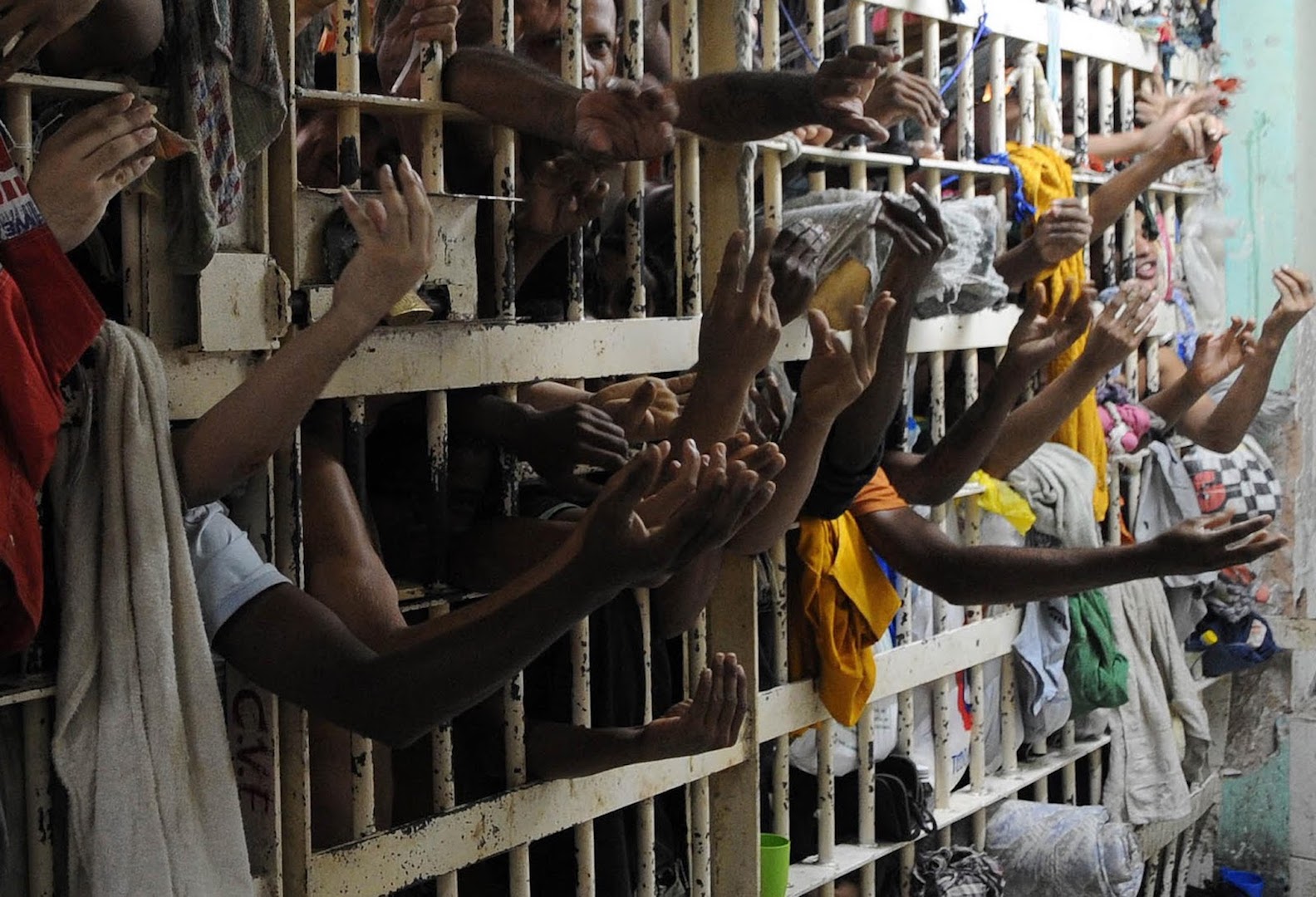
“Over-incarceration mainly affects poor and black people,” argues the entity.
“The current ‘war on drugs’ policy is actually a war on people, especially those who live on the outskirts of our large cities. When caught with drugs there is a presumption of drug trafficking from authorities,” says Henrique Apolinario, lawyer for the human rights group, Conectas.
According to data from Infopen (National Penitentiary Data Survey), of the more than 720,000 people in prison today in Brazil, nearly 200,000 are incarcerated for drug-related crimes. The country has the third-largest population of incarcerated people in the world.
“The population of poor communities (favelas) are treated like the enemy,” say Apolinario.
In 2016, the issue advanced even further, says activists, with Brazil’s STF recognizing drug trafficking as a common crime, not a heinous one carrying harsher punishment. At the time, the Supreme Court estimated that the decision would benefit over 80,000 people jailed for heinous crimes.
But a study produced by Conectas, released on November 18th, reveals that lower court magistrates have neglected the STF directive to apply lesser penalties to defendants who have had minor roles in drug trafficking.
“There is deliberate resistance (by lower courts) to enforcing the Supreme Court rulings, in favor of (the judges’) personal convictions,” says the entity.
Nonetheless, Apolinario says the upcoming STF ruling is an important step in the country’s drug policies.
“If the Supreme Court decriminalizes the use of drugs, at least for drugs like marijuana (cannabis), the ruling may improve public policies for drug users as well as increase funding on drug research, which is low due to its (unclear) legal status,” he says.
Many analysts have hinted that the postponement of the STF hearing was motivated by pressure put by President Jair Bolsonaro’s government on the Chief Justice. President Bolsonaro and members of his government have stated repeatedly they are against easing sentences imposed on those carrying illegal drugs, no matter what the amount.
“This is a matter that should not pertain to the Supreme Court, but to the National Congress. If anyone wants to change the law, they have to go through Congress,” said the president’s son, federal Deputy Eduardo Bolsonaro, in early November.
“There are foreign lobbies defending the legalization of drugs. There are judges, for lack of information, allowing the growing of the (cannabis) crop, without any scientific basis,” stated Osmar Terra, Minister of Citizenship in the Bolsonaro cabinet.
“We are here to say that this problem is so serious that it is the people’s representatives, the National Congress, that has to decide. The Supreme Court should only discuss constitutional issues,” added the cabinet member.
Those in favor of the decriminalization disagree, criticizing the Administration’s interference.
“Where is the independence of the Supreme Court that Brazil needs, especially at this moment?”, says Julita Lemgruber, sociologist and coordinator of the Center for Studies on Security and Citizenship at Cândido Mendes University.
The consensus among analysts is that some form of decriminalization will, in the end, be approved by a majority of the Justices. What is not known is if the Court, in its ruling, will specify which drugs and which quantities should be considered as decriminalized. If there is no such specification, say many, the ruling may become yet another innocuous ‘paper law’, without any practical results.
More: Brazil news in English, every day from The Rio Times.
Editorial responsibility: Matthias Camenzind, Editor-in-Chief · Editorial standards · Report an error