IBOV 209,066.90 ▲ 1.38% IPSA 11,043.36 ▲ 0.17% IPC MEX 66,411.11 ▲ 0.55% MERVAL 2,828,027 ▼ 0.16% COLCAP 2,531.15 — 0.00% BVL PERÚ 60,956.11 ▼ 0.51% USD/BRL4.99▼ 0.02% USD/MXN18.25▼ 0.08% USD/CLP975.06— 0.00% USD/COP3,194▲ 0.03% USD/PEN3.45▲ 0.23% USD/ARS1,517▼ 0.02% USD/UYU40.18— 0.00% USD/PYG5,691— 0.00% USD/BOB11.69▼ 0.68% USD/DOP61.12▲ 0.56% USD/CRC449.86— 0.00% USD/GTQ7.64— 0.00% USD/HNL26.86— 0.00% USD/NIO36.62— 0.00% USD/VES874.61▼ 0.13% USD/PAB1.00— 0.00% USD/BZD2.00— 0.00% USD/JMD 157.28 — 0.00% USD/TTD6.77▲ 0.25% EUR/BRL5.57▲ 0.20% BRENT 88.88 ▼ 0.03% WTI 83.11 ▼ 0.11% IRON ORE 161.91 — — COPPER 6.61 ▲ 0.03% GOLD 4,461 ▲ 1.78% SILVER 65.59 ▲ 1.26% SOY 1,184 ▲ 3.20% CORN 480.50 ▲ 10.02% WHEAT 655.00 ▲ 3.93% COFFEE 317.25 ▼ 5.51% SUGAR 16.43 ▼ 1.79% ORANGE JUICE 138.55 ▼ 0.47% COTTON 85.03 ▲ 2.33% COCOA 5,719 ▲ 3.18% BEEF 223.60 ▼ 3.93% CATTLE 339.10 ▼ 3.16% LITHIUM 75.20 ▲ 1.47% PETR4 41.64 ▼ 0.05% VALE3 72.97 ▲ 0.83% ITUB4 38.60 ▼ 1.03% BBDC4 16.85 ▲ 0.36% ABEV3 14.89 ▼ 0.80% BBAS3 19.37 ▲ 0.47% B3SA3 14.26 ▼ 0.21% WEGE3 47.59 ▲ 0.49% PRIO3 59.14 ▼ 0.19% SUZB3 41.33 ▲ 2.35% RENT3 34.68 ▼ 0.09% AZZA3 15.89 ▼ 2.63% CSAN3 3.22 ▼ 1.83% RAIZ4 0.25 — 0.00% PCAR3 2.75 ▼ 0.36% GMAT3 3.65 ▼ 1.08% PSSA3 48.13 ▼ 0.54% CVCB3 1.33 ▼ 2.92% POSI3 3.36 ▲ 2.44% SLCE3 13.34 ▲ 0.30% NATU3 8.14 ▼ 0.73% IBOV 209,066.90 ▲ 1.38% IPSA 11,043.36 ▲ 0.17% IPC MEX 66,411.11 ▲ 0.55% MERVAL 2,828,027 ▼ 0.16% COLCAP 2,531.15 — 0.00% BVL PERÚ 60,956.11 ▼ 0.51% USD/BRL 5.16 ▲ 0.01% USD/MXN 17.06 ▼ 0.24% USD/CLP 913.98 ▲ 0.04% USD/COP 3,140 ▲ 0.03% USD/PEN 3.36 ▼ 0.66% USD/ARS 1,493 ▲ 0.10% USD/UYU 40.27 ▲ 1.24% USD/PYG 5,939 ▲ 1.68% USD/BOB 11.64 ▼ 0.76% USD/DOP 58.34 ▲ 1.25% USD/CRC 445.92 ▲ 0.89% USD/GTQ 7.62 ▲ 2.21% USD/HNL 26.79 ▲ 1.57% USD/NIO 36.62 ▲ 0.69% USD/VES 762.44 ▼ 0.13% USD/PAB 1.00 — 0.00% USD/BZD 2.00 — 0.00% USD/JMD 157.28 — 0.00% USD/TTD 6.70 ▲ 0.61% EUR/BRL 5.95 ▲ 1.01% BRENT 88.88 ▼ 0.03% WTI 83.11 ▼ 0.11% IRON ORE 161.91 — — COPPER 6.61 ▲ 0.03% GOLD 4,461 ▲ 1.78% SILVER 65.59 ▲ 1.26% SOY 1,184 ▲ 3.20% CORN 480.50 ▲ 10.02% WHEAT 655.00 ▲ 3.93% COFFEE 317.25 ▼ 5.51% SUGAR 16.43 ▼ 1.79% ORANGE JUICE 138.55 ▼ 0.47% COTTON 85.03 ▲ 2.33% COCOA 5,719 ▲ 3.18% BEEF 223.60 ▼ 3.93% CATTLE 339.10 ▼ 3.16% LITHIUM 75.20 ▲ 1.47% PETR4 41.64 ▼ 0.05% VALE3 72.97 ▲ 0.83% ITUB4 38.60 ▼ 1.03% BBDC4 16.85 ▲ 0.36% ABEV3 14.89 ▼ 0.80% BBAS3 19.37 ▲ 0.47% B3SA3 14.26 ▼ 0.21% WEGE3 47.59 ▲ 0.49% PRIO3 59.14 ▼ 0.19% SUZB3 41.33 ▲ 2.35% RENT3 34.68 ▼ 0.09% AZZA3 15.89 ▼ 2.63% CSAN3 3.22 ▼ 1.83% RAIZ4 0.25 — 0.00% PCAR3 2.75 ▼ 0.36% GMAT3 3.65 ▼ 1.08% PSSA3 48.13 ▼ 0.54% CVCB3 1.33 ▼ 2.92% POSI3 3.36 ▲ 2.44% SLCE3 13.34 ▲ 0.30% NATU3 8.14 ▼ 0.73%
since 2009
Tuesday, October 13, 2026

Brazil’s Religious Transformation Leaves Lula’s Workers’ Party Behind

By · March 16, 2025 · 2 min read

According to recent data, Brazil moves steadily away from its historical identity as the world’s largest Catholic nation. Catholics represented 83% of the population in 1989 but account for only 50% today, while evangelical Protestants have surged from 9% to 35%.

Several factors drive this dramatic shift. Protestant denominations offer more dynamic worship experiences with engaging music and less formal clergy-congregation relationships. Their strong media presence attracts new followers through late-night services that provide comfort to troubled viewers.

The theological divide creates another powerful contrast. Catholic doctrine emphasizes sacrifice and poverty with rewards promised after death. Evangelical churches promote prosperity theology, suggesting God wants believers to succeed materially in their earthly lives.

This prosperity message resonates strongly in a capitalist society where material success signals achievement. Many Brazilians find this immediate promise more compelling than Catholicism’s focus on spiritual rewards after death.
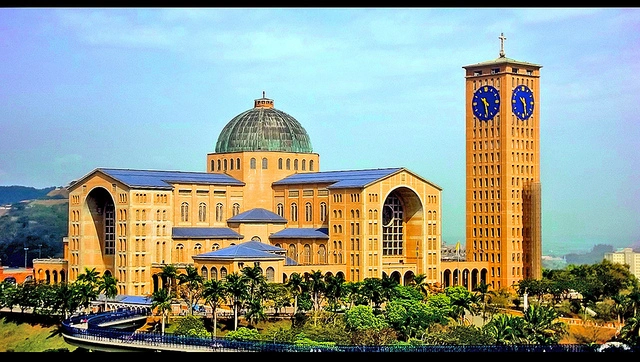
Sanctuary of Aparecida, Largest Catholic Church in Brazil.
RT
Ask Rio Times
17 years of Latin America reporting, on demand.
Open the full Ask Rio Times →

Afro-Brazilian religions like Umbanda and Candomblé also gain visibility. Historically, practitioners often identified publicly as Catholic while secretly maintaining their true spiritual practices. Modern affirmative policies now encourage open adherence to these faiths.

The LatAm Brief

One email, every weekday morning. What moved in Latin American markets, politics and expat life.

Yesterday’s subject line: “Simon keeps Puerto Vallarta airport shut until Tuesday”

Free. We send a confirmation link first — nothing arrives until you click it. Unsubscribe with one click in any edition. If you stop opening us for 30 days we stop sending by ourselves, as we assume the interest is no longer there. See our privacy policy. We never share your email.

The Catholic Church fights back through charismatic priests and social media outreach. Frei Gilson attracts millions of followers with his 4 AM digital rosary prayers during Lent. His approach blends traditional Catholic conservatism with solidarity messages.

This religious transformation carries political implications, particularly for the Workers’ Party (PT). Founded with support from progressive Catholic sectors advocating Liberation Theology, PT once maintained strong ties with Church communities.

Brazil’s Religious Transformation Leaves Lula’s Workers’ Party Behind

Those connections have weakened considerably. PT now holds influence primarily among older Catholics in impoverished regions but struggles with evangelicals and younger Catholic demographics.

The party’s decline appears in electoral results. PT controlled 625 mayoral positions nationwide in 2012. That number plummeted to 252 by 2024, making it only the ninth-largest party in municipal governance despite holding the presidency.

A Catholic revival appears underway, but PT’s evolution has distanced it from its religious roots. Reconciliation seems increasingly unlikely as both institutions follow divergent paths in Brazil’s changing spiritual landscape.

This article was produced by The Rio Times’ automated newsroom system. How we use AI · Report an error · Editorial responsibility: Matthias Camenzind, Editor-in-Chief

Read More from The Rio Times

The Rio Times · Power Map
See who really holds power in Latin America
Click to open the Power Map →

Rotate for Best Experience

This report is optimized for landscape viewing. Rotate your phone for the full experience.