IBOV 209,066.90 ▲ 1.38% IPSA 11,043.36 ▲ 0.17% IPC MEX 66,411.11 ▲ 0.55% MERVAL 2,828,027 ▼ 0.16% COLCAP 2,531.15 — 0.00% BVL PERÚ 60,956.11 ▼ 0.51% USD/BRL4.99▼ 0.02% USD/MXN18.25▼ 0.88% USD/CLP975.06— 0.00% USD/COP3,194▲ 0.25% USD/PEN3.45▲ 0.52% USD/ARS1,517▼ 0.02% USD/UYU40.18▼ 0.06% USD/PYG5,691▲ 0.26% USD/BOB11.69▼ 0.68% USD/DOP61.12▲ 0.41% USD/CRC449.86▼ 0.21% USD/GTQ7.64— 0.00% USD/HNL26.86— 0.00% USD/NIO36.62— 0.00% USD/VES874.61▼ 0.13% USD/PAB1.00— 0.00% USD/BZD2.00— 0.00% USD/JMD 157.28 — 0.00% USD/TTD6.77▲ 0.25% EUR/BRL5.57▼ 0.09% BRENT 88.88 ▼ 0.03% WTI 83.11 ▼ 0.11% IRON ORE 161.91 — — COPPER 6.61 ▲ 0.03% GOLD 4,461 ▲ 1.78% SILVER 65.59 ▲ 1.26% SOY 1,184 ▲ 3.20% CORN 480.50 ▲ 10.02% WHEAT 655.00 ▲ 3.93% COFFEE 317.25 ▼ 5.51% SUGAR 16.43 ▼ 1.79% ORANGE JUICE 138.55 ▼ 0.47% COTTON 85.03 ▲ 2.33% COCOA 5,719 ▲ 3.18% BEEF 223.60 ▼ 3.93% CATTLE 339.10 ▼ 3.16% LITHIUM 75.20 ▲ 1.47% PETR4 41.64 ▼ 0.05% VALE3 72.97 ▲ 0.83% ITUB4 38.60 ▼ 1.03% BBDC4 16.85 ▲ 0.36% ABEV3 14.89 ▼ 0.80% BBAS3 19.37 ▲ 0.47% B3SA3 14.26 ▼ 0.21% WEGE3 47.59 ▲ 0.49% PRIO3 59.14 ▼ 0.19% SUZB3 41.33 ▲ 2.35% RENT3 34.68 ▼ 0.09% AZZA3 15.89 ▼ 2.63% CSAN3 3.22 ▼ 1.83% RAIZ4 0.25 — 0.00% PCAR3 2.75 ▼ 0.36% GMAT3 3.65 ▼ 1.08% PSSA3 48.13 ▼ 0.54% CVCB3 1.33 ▼ 2.92% POSI3 3.36 ▲ 2.44% SLCE3 13.34 ▲ 0.30% NATU3 8.14 ▼ 0.73% IBOV 209,066.90 ▲ 1.38% IPSA 11,043.36 ▲ 0.17% IPC MEX 66,411.11 ▲ 0.55% MERVAL 2,828,027 ▼ 0.16% COLCAP 2,531.15 — 0.00% BVL PERÚ 60,956.11 ▼ 0.51% USD/BRL 5.16 ▲ 0.01% USD/MXN 17.06 ▼ 0.24% USD/CLP 913.98 ▲ 0.04% USD/COP 3,140 ▲ 0.03% USD/PEN 3.36 ▼ 0.66% USD/ARS 1,493 ▲ 0.10% USD/UYU 40.27 ▲ 1.24% USD/PYG 5,939 ▲ 1.68% USD/BOB 11.64 ▼ 0.76% USD/DOP 58.34 ▲ 1.25% USD/CRC 445.92 ▲ 0.89% USD/GTQ 7.62 ▲ 2.21% USD/HNL 26.79 ▲ 1.57% USD/NIO 36.62 ▲ 0.69% USD/VES 762.44 ▼ 0.13% USD/PAB 1.00 — 0.00% USD/BZD 2.00 — 0.00% USD/JMD 157.28 — 0.00% USD/TTD 6.70 ▲ 0.61% EUR/BRL 5.95 ▲ 1.01% BRENT 88.88 ▼ 0.03% WTI 83.11 ▼ 0.11% IRON ORE 161.91 — — COPPER 6.61 ▲ 0.03% GOLD 4,461 ▲ 1.78% SILVER 65.59 ▲ 1.26% SOY 1,184 ▲ 3.20% CORN 480.50 ▲ 10.02% WHEAT 655.00 ▲ 3.93% COFFEE 317.25 ▼ 5.51% SUGAR 16.43 ▼ 1.79% ORANGE JUICE 138.55 ▼ 0.47% COTTON 85.03 ▲ 2.33% COCOA 5,719 ▲ 3.18% BEEF 223.60 ▼ 3.93% CATTLE 339.10 ▼ 3.16% LITHIUM 75.20 ▲ 1.47% PETR4 41.64 ▼ 0.05% VALE3 72.97 ▲ 0.83% ITUB4 38.60 ▼ 1.03% BBDC4 16.85 ▲ 0.36% ABEV3 14.89 ▼ 0.80% BBAS3 19.37 ▲ 0.47% B3SA3 14.26 ▼ 0.21% WEGE3 47.59 ▲ 0.49% PRIO3 59.14 ▼ 0.19% SUZB3 41.33 ▲ 2.35% RENT3 34.68 ▼ 0.09% AZZA3 15.89 ▼ 2.63% CSAN3 3.22 ▼ 1.83% RAIZ4 0.25 — 0.00% PCAR3 2.75 ▼ 0.36% GMAT3 3.65 ▼ 1.08% PSSA3 48.13 ▼ 0.54% CVCB3 1.33 ▼ 2.92% POSI3 3.36 ▲ 2.44% SLCE3 13.34 ▲ 0.30% NATU3 8.14 ▼ 0.73%
since 2009
Tuesday, October 13, 2026

Brazil Documents 119 Indigenous Tribes Living in Voluntary Isolation

By · March 14, 2025 · 2 min read

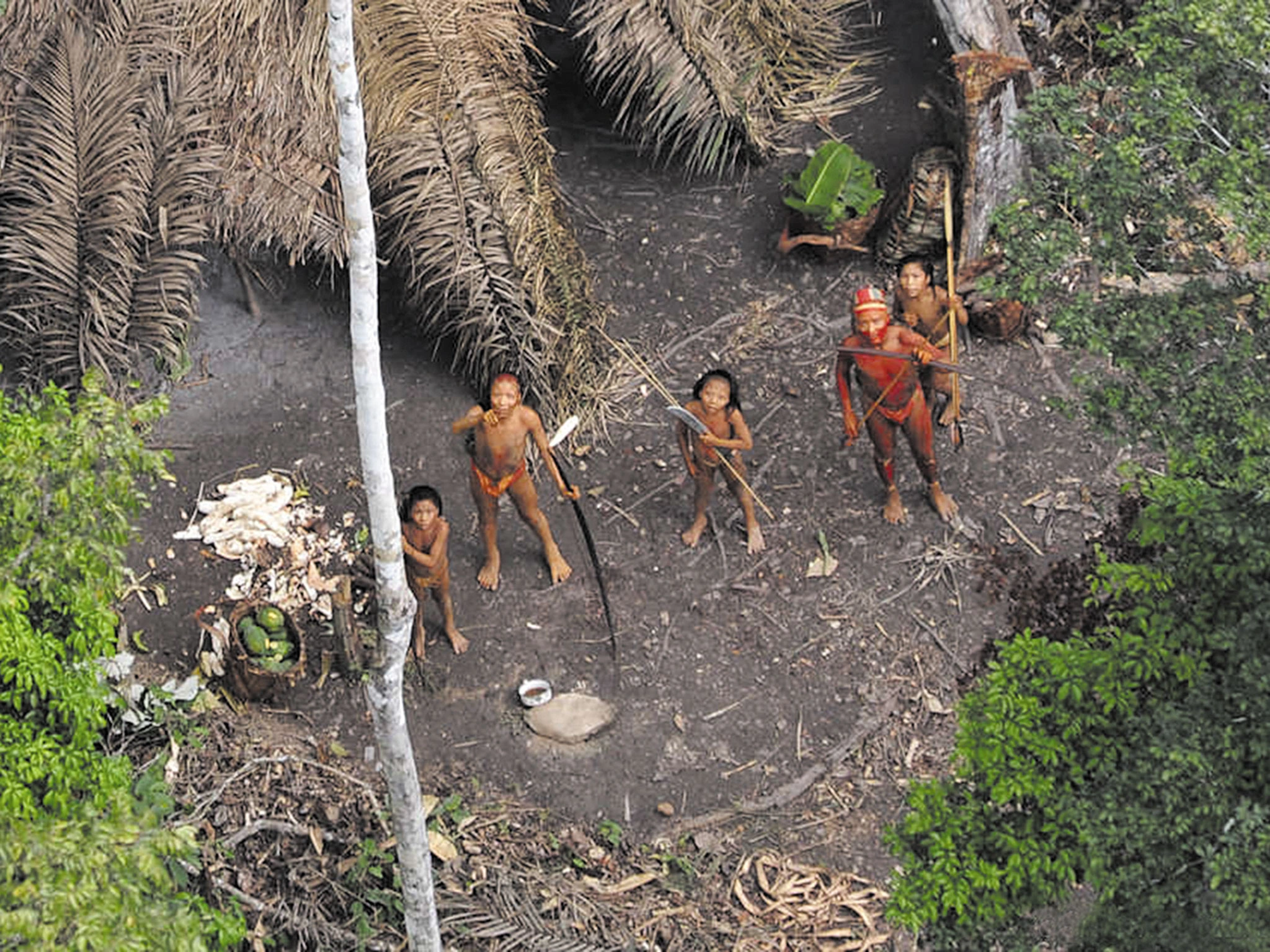
A report released by the Conference of Brazilian Bishops (CNBB) documents 119 indigenous communities that maintain voluntary isolation in Brazil.

The study, produced by the Indigenous Missionary Council (Cimi), reveals that 37 of these groups currently live in territories without legal protection, exposing them to numerous external threats.

These communities deliberately avoid contact with outsiders based on historical experiences. Past encounters often resulted in disease, violence, and exploitation, leading these groups to retreat deeper into remote areas.

Their isolation represents a conscious choice rather than a lack of awareness about the outside world. Most isolated communities inhabit the Amazon rainforest, with significant populations in Vale do Javari and other protected territories.

These groups maintain traditional lifestyles, ranging from nomadic hunter-gatherers to communities that practice small-scale agriculture while avoiding external contact.
Brazil Documents 119 Indigenous Tribes Living in Voluntary Isolation
Brazil Documents 119 Indigenous Tribes Living in Voluntary Isolation.
RT
Ask Rio Times
17 years of Latin America reporting, on demand.
Open the full Ask Rio Times →

Despite their desire for separation, external pressures increasingly encroach on their territories. Illegal logging operations clear forest habitat while mining activities contaminate water sources.

The LatAm Brief

One email, every weekday morning. What moved in Latin American markets, politics and expat life.

Yesterday’s subject line: “Simon keeps Puerto Vallarta airport shut until Tuesday”

Free. We send a confirmation link first — nothing arrives until you click it. Unsubscribe with one click in any edition. If you stop opening us for 30 days we stop sending by ourselves, as we assume the interest is no longer there. See our privacy policy. We never share your email.

Brazil’s Efforts to Protect Isolated Indigenous Communities

Agricultural expansion pushes boundaries closer to isolated communities each year. Brazil’s indigenous affairs agency, Funai, operates protection posts to monitor these territories without forcing contact.

Their policy respects the communities’ autonomy while attempting to prevent invasions from outsiders. However, budget constraints limit the effectiveness of these protection efforts.

The vulnerability of these communities stems largely from their lack of immunity to common diseases. Even minor illnesses like influenza can devastate entire communities, making territorial protection critical to their continued existence.

Guenter Francisco Loebens, a Cimi missionary involved in the study, emphasized the need for coordinated action. Many isolated groups live near international borders, requiring cooperation between Brazil and neighboring countries to establish effective protection mechanisms.

Daniel Aristizabal from the International Working Group for Protection of Isolated Indigenous Peoples praised the report for increasing awareness about these communities.

“These groups maintain their traditions by choice,” Aristizabal noted, “and deserve to continue living according to their own decisions without external interference.”

This article was produced by The Rio Times’ automated newsroom system. How we use AI · Report an error · Editorial responsibility: Matthias Camenzind, Editor-in-Chief

Read More from The Rio Times

The Rio Times · Power Map
See who really holds power in Latin America
Click to open the Power Map →

Rotate for Best Experience

This report is optimized for landscape viewing. Rotate your phone for the full experience.