IBOV 205,835.29 ▼ 0.52% IPSA 11,164.13 ▲ 0.36% IPC MEX 65,312.46 ▲ 0.52% MERVAL 2,896,853 — 0.00% COLCAP 2,589.04 ▲ 0.25% BVL PERÚ 60,220.93 ▲ 0.91% USD/BRL4.99▲ 0.24% USD/MXN18.10▲ 0.65% USD/CLP979.30▲ 0.67% USD/COP3,241▲ 1.02% USD/PEN3.44▼ 0.29% USD/ARS1,520— 0.00% USD/UYU40.09▲ 2.87% USD/PYG5,835▲ 3.25% USD/BOB11.90▲ 2.31% USD/DOP60.02▲ 3.24% USD/CRC454.50▲ 2.57% USD/GTQ7.64▲ 3.36% USD/HNL26.86▲ 3.49% USD/NIO36.62▲ 0.26% USD/VES871.68▲ 0.04% USD/PAB1.00— 0.00% USD/BZD2.00— 0.00% USD/JMD 157.28 — 0.00% USD/TTD6.68▲ 1.99% EUR/BRL5.58▼ 0.46% BRENT 88.88 ▼ 0.03% WTI 83.11 ▼ 0.11% IRON ORE 161.91 — — COPPER 6.61 ▲ 0.03% GOLD 4,461 ▲ 1.78% SILVER 65.59 ▲ 1.26% SOY 1,184 ▲ 3.20% CORN 480.50 ▲ 10.02% WHEAT 655.00 ▲ 3.93% COFFEE 317.25 ▼ 5.51% SUGAR 16.43 ▼ 1.79% ORANGE JUICE 138.55 ▼ 0.47% COTTON 85.03 ▲ 2.33% COCOA 5,719 ▲ 3.18% BEEF 223.60 ▼ 3.93% CATTLE 339.10 ▼ 3.16% LITHIUM 75.20 ▲ 1.47% PETR4 41.64 ▼ 0.05% VALE3 72.97 ▲ 0.83% ITUB4 38.60 ▼ 1.03% BBDC4 16.85 ▲ 0.36% ABEV3 14.89 ▼ 0.80% BBAS3 19.37 ▲ 0.47% B3SA3 14.26 ▼ 0.21% WEGE3 47.59 ▲ 0.49% PRIO3 59.14 ▼ 0.19% SUZB3 41.33 ▲ 2.35% RENT3 34.68 ▼ 0.09% AZZA3 15.89 ▼ 2.63% CSAN3 3.22 ▼ 1.83% RAIZ4 0.25 — 0.00% PCAR3 2.75 ▼ 0.36% GMAT3 3.65 ▼ 1.08% PSSA3 48.13 ▼ 0.54% CVCB3 1.33 ▼ 2.92% POSI3 3.36 ▲ 2.44% SLCE3 13.34 ▲ 0.30% NATU3 8.14 ▼ 0.73% IBOV 205,835.29 ▼ 0.52% IPSA 11,164.13 ▲ 0.36% IPC MEX 65,312.46 ▲ 0.52% MERVAL 2,896,853 — 0.00% COLCAP 2,589.04 ▲ 0.25% BVL PERÚ 60,220.93 ▲ 0.91% USD/BRL 5.16 ▲ 0.01% USD/MXN 17.06 ▼ 0.24% USD/CLP 913.98 ▲ 0.04% USD/COP 3,140 ▲ 0.03% USD/PEN 3.36 ▼ 0.66% USD/ARS 1,493 ▲ 0.10% USD/UYU 40.27 ▲ 1.24% USD/PYG 5,939 ▲ 1.68% USD/BOB 11.64 ▼ 0.76% USD/DOP 58.34 ▲ 1.25% USD/CRC 445.92 ▲ 0.89% USD/GTQ 7.62 ▲ 2.21% USD/HNL 26.79 ▲ 1.57% USD/NIO 36.62 ▲ 0.69% USD/VES 762.44 ▼ 0.13% USD/PAB 1.00 — 0.00% USD/BZD 2.00 — 0.00% USD/JMD 157.28 — 0.00% USD/TTD 6.70 ▲ 0.61% EUR/BRL 5.95 ▲ 1.01% BRENT 88.88 ▼ 0.03% WTI 83.11 ▼ 0.11% IRON ORE 161.91 — — COPPER 6.61 ▲ 0.03% GOLD 4,461 ▲ 1.78% SILVER 65.59 ▲ 1.26% SOY 1,184 ▲ 3.20% CORN 480.50 ▲ 10.02% WHEAT 655.00 ▲ 3.93% COFFEE 317.25 ▼ 5.51% SUGAR 16.43 ▼ 1.79% ORANGE JUICE 138.55 ▼ 0.47% COTTON 85.03 ▲ 2.33% COCOA 5,719 ▲ 3.18% BEEF 223.60 ▼ 3.93% CATTLE 339.10 ▼ 3.16% LITHIUM 75.20 ▲ 1.47% PETR4 41.64 ▼ 0.05% VALE3 72.97 ▲ 0.83% ITUB4 38.60 ▼ 1.03% BBDC4 16.85 ▲ 0.36% ABEV3 14.89 ▼ 0.80% BBAS3 19.37 ▲ 0.47% B3SA3 14.26 ▼ 0.21% WEGE3 47.59 ▲ 0.49% PRIO3 59.14 ▼ 0.19% SUZB3 41.33 ▲ 2.35% RENT3 34.68 ▼ 0.09% AZZA3 15.89 ▼ 2.63% CSAN3 3.22 ▼ 1.83% RAIZ4 0.25 — 0.00% PCAR3 2.75 ▼ 0.36% GMAT3 3.65 ▼ 1.08% PSSA3 48.13 ▼ 0.54% CVCB3 1.33 ▼ 2.92% POSI3 3.36 ▲ 2.44% SLCE3 13.34 ▲ 0.30% NATU3 8.14 ▼ 0.73%
since 2009
Wednesday, October 7, 2026

Agri Business Business - Brazil

Brazil’s Poultry and Pork Industries Set for Record-Breaking Growth

By · December 12, 2024 · 2 min read

Brazil’s poultry and pork sectors are poised for unprecedented expansion in the coming years. The Brazilian Animal Protein Association (ABPA) forecasts record-breaking production and export figures for 2024 and 2025.

This growth is driven by strong domestic demand and new international market opportunities. The outlook for poultry remains stable compared to previous estimates.

However, the pork industry’s projections have been revised upward. This positive trend reflects the sector’s resilience and adaptability in a changing global market.

ABPA President Ricardo Santin attributes this growth to several factors. A stable Brazilian economy is expected to maintain robust domestic consumption levels. The industry’s competitiveness also plays a crucial role in sustaining market demand.

On the international front, new markets are opening up for Brazilian meat products. Central American and African countries are emerging as promising export destinations.
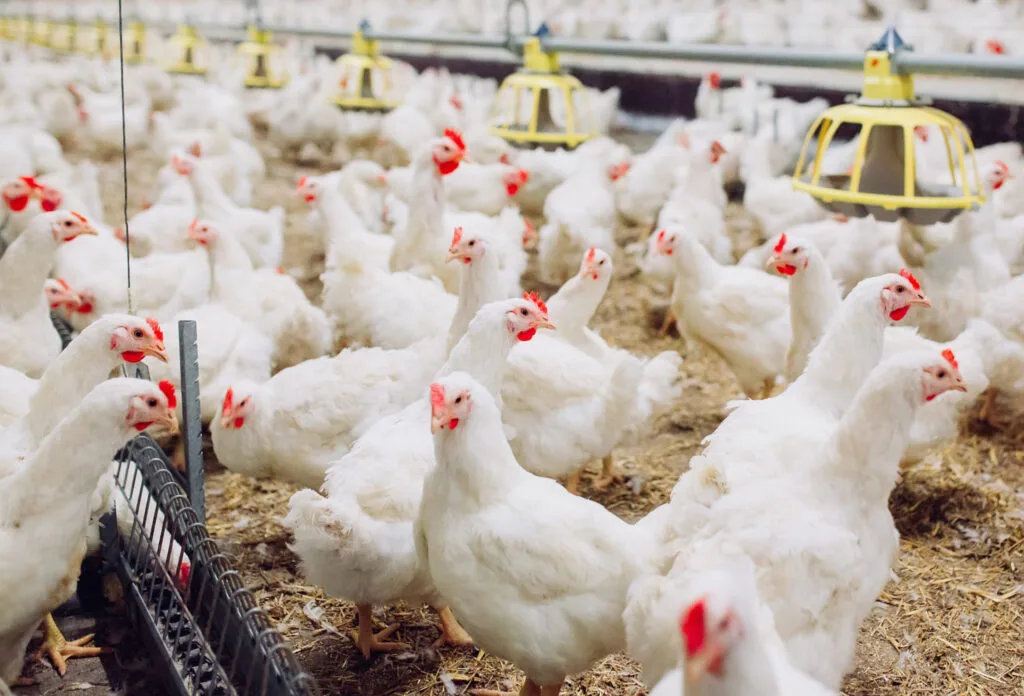
Brazil's Poultry and Pork Industries Set for Record-Breaking Growth
Brazil’s Poultry and Pork Industries Set for Record-Breaking Growth.
RT
Ask Rio Times
Latin American markets, currencies and companies.
Open the full Ask Rio Times →

This diversification strategy helps reduce dependence on traditional markets and boosts overall export volumes. Brazil’s position as the world’s leading poultry exporter remains unchallenged.

The LatAm Brief

One email, every weekday morning. What moved in Latin American markets, politics and expat life.

Yesterday’s subject line: “Mexico sells record US$60.6bn to the US in August”

Free. We send a confirmation link first — nothing arrives until you click it. Unsubscribe with one click in any edition. If you stop opening us for 30 days we stop sending by ourselves, as we assume the interest is no longer there. See our privacy policy. We never share your email.

The country also ranks among the top four pork exporters globally. This dominance in the global meat trade underscores Brazil’s agricultural prowess.

Projected Growth and Expanding Global Market Reach

Looking ahead to 2025, Santin anticipates increased shipments to other Latin American and Asian nations. This expansion will further diversify export destinations for Brazilian meat products.

It also highlights the industry’s commitment to exploring new market opportunities. Poultry production in Brazil is projected to reach between 14.9 and 15 million tons in 2024.

However, this represents a year-on-year increase of up to 1.1%. The upward trend is expected to continue into 2025, with production potentially hitting 15.3 million tons.

Poultry exports are also set for growth. The forecast for 2024 stands at around 5.3 million tons, a 3.1% increase from the previous year. In 2025, exports could reach 5.4 million tons, marking a 1.9% year-on-year rise.

The pork sector shows even more impressive growth prospects. Production in 2024 is estimated at 5.35 million tons, up 3.8% from 2023. The 2025 forecast suggests a further increase to 5.45 million tons.

Pork exports are expected to see significant gains. The 2024 projection of 1.35 million tons represents a substantial 9.8% annual increase. This upward trajectory is set to continue in 2025, with exports potentially reaching 1.45 million tons.

In addition, these projections paint a picture of a thriving meat industry in Brazil. The country’s ability to meet domestic demand highlights its agricultural efficiency.

Its capacity to satisfy international demand demonstrates strong market adaptability. As global protein demand continues to rise, Brazil’s meat sector is well-positioned to capitalize on new opportunities.

This article was produced by The Rio Times’ automated newsroom system. How we use AI · Report an error · Editorial responsibility: Matthias Camenzind, Editor-in-Chief

The Rio Times · Power Map
See who really holds power in Latin America
Click to open the Power Map →

Rotate for Best Experience

This report is optimized for landscape viewing. Rotate your phone for the full experience.