Brazil’s Government Shifts Left to Chase Popularity Amid Economic Strain
President Luiz Inácio Lula da Silva’s administration, rattled by a plummeting 24% approval rating reported by a prominent polling institute in February 2025, pivots decisively toward populist policies.
Facing soaring food inflation and a sluggish economy, the government unites around a left-leaning agenda. This move, dubbed “esquerdização” by observers, aims to recapture the working-class support that fueled Lula’s 2022 victory.
Lula’s approval sinks as inflation hits 4.7% in February, exceeding the Central Bank’s 3% target, while GDP growth forecasts drop to 2.2% for 2025. Gleisi Hoffmann, newly appointed Institutional Relations Minister, drives this shift with a R$60 billion budget win on March 20, approved in under four hours.
She negotiates directly with Congress leaders Hugo Motta and Davi Alcolumbre, securing their backing before Lula’s Japan and Vietnam trip. Meanwhile, Finance Minister Fernando Haddad fights to regain traction after a 58% disapproval rating from 106 financial experts shakes his credibility.
He pushes an income tax exemption up to R$5,000 monthly, targeting 15 million taxpayers, though higher rates for the rich spark debate. Despite his efforts, market trust wanes, with only 7% of financiers seeing Lula as distinct from Dilma Rousseff’s troubled tenure.
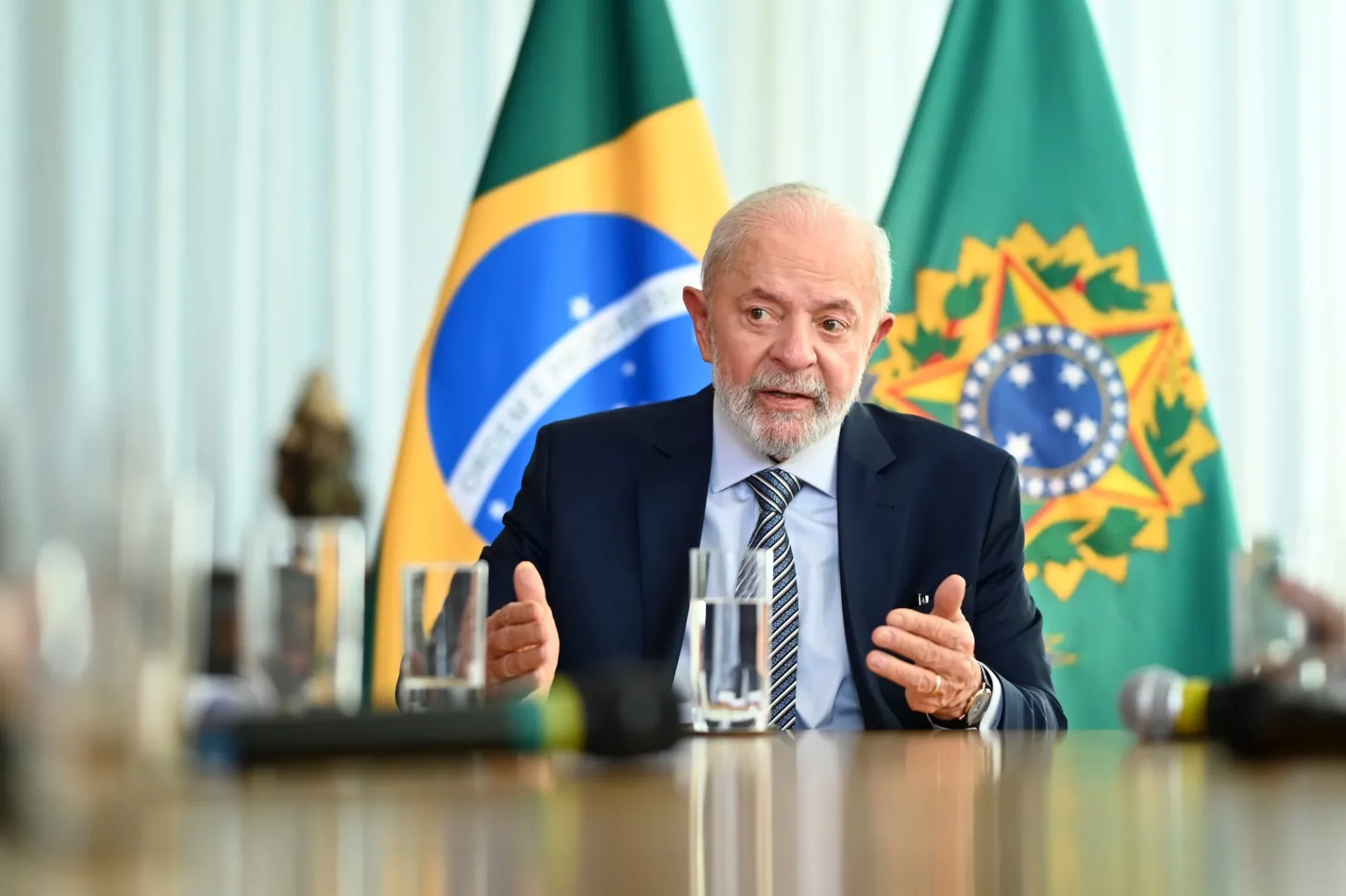
Brazil’s Fiscal Strategy
Hoffmann’s budget triumph, laden with low-income perks like enhanced Auxílio Gás, contrasts with Haddad’s fiscal framework, strained by a projected 0.5% GDP deficit in 2025.
She prioritizes a “solid base” in Congress, sidestepping broader coalition-building. Yet, the R$60 billion in amendments raises eyebrows among business leaders wary of ballooning costs.
The stakes loom large for Brazil’s economy and Lula’s legacy as inflation bites and the Central Bank resists rate cuts. Haddad’s plan hinges on convincing markets the fiscal leash holds, while Hoffmann bets on grassroots goodwill.
With municipal elections nearing, this leftward lunge seeks votes but risks alienating investors, echoing Dilma’s fiscal missteps. Behind the figures lies a government scrambling to balance survival and stability.
Lula, now 79, tones down Central Bank critiques and halts reshuffle talk, focusing on deliverables. Whether this gamble restores trust or deepens Brazil’s economic woes remains unclear, but the next months will test its mettle.
More: Brazil news in English, every day from The Rio Times.
This article was produced by The Rio Times’ automated newsroom system. How we use AI · Report an error
Read More from The Rio Times