Usiminas Idles a Minas Gerais Mine as Freight Costs Outrun the Ore Price
The iron ore price fell below US$100 and the cost of shipping it to China rose by half. A mine in Minas Gerais stopped.
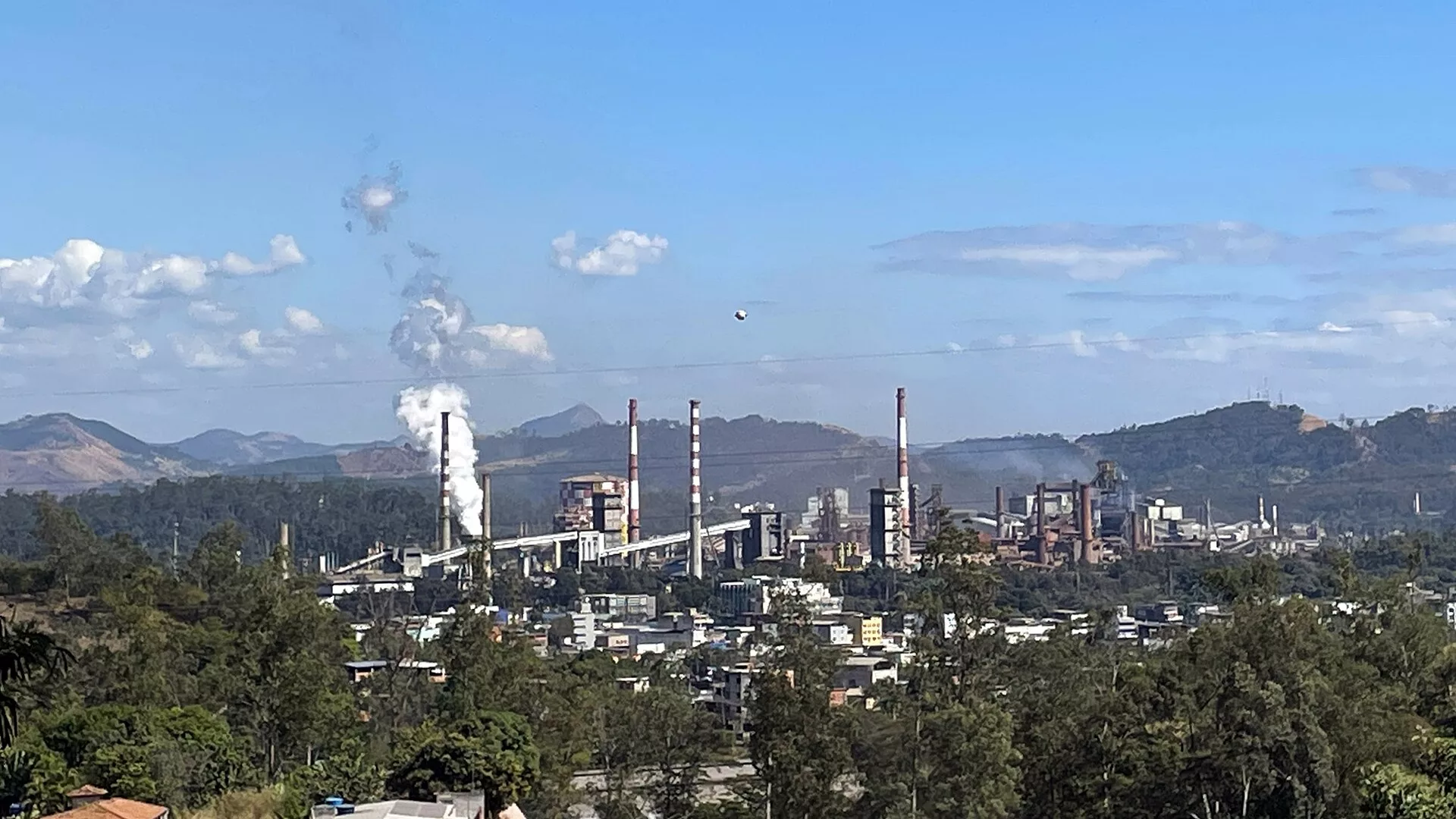
BRAZIL · MINING
Key Facts
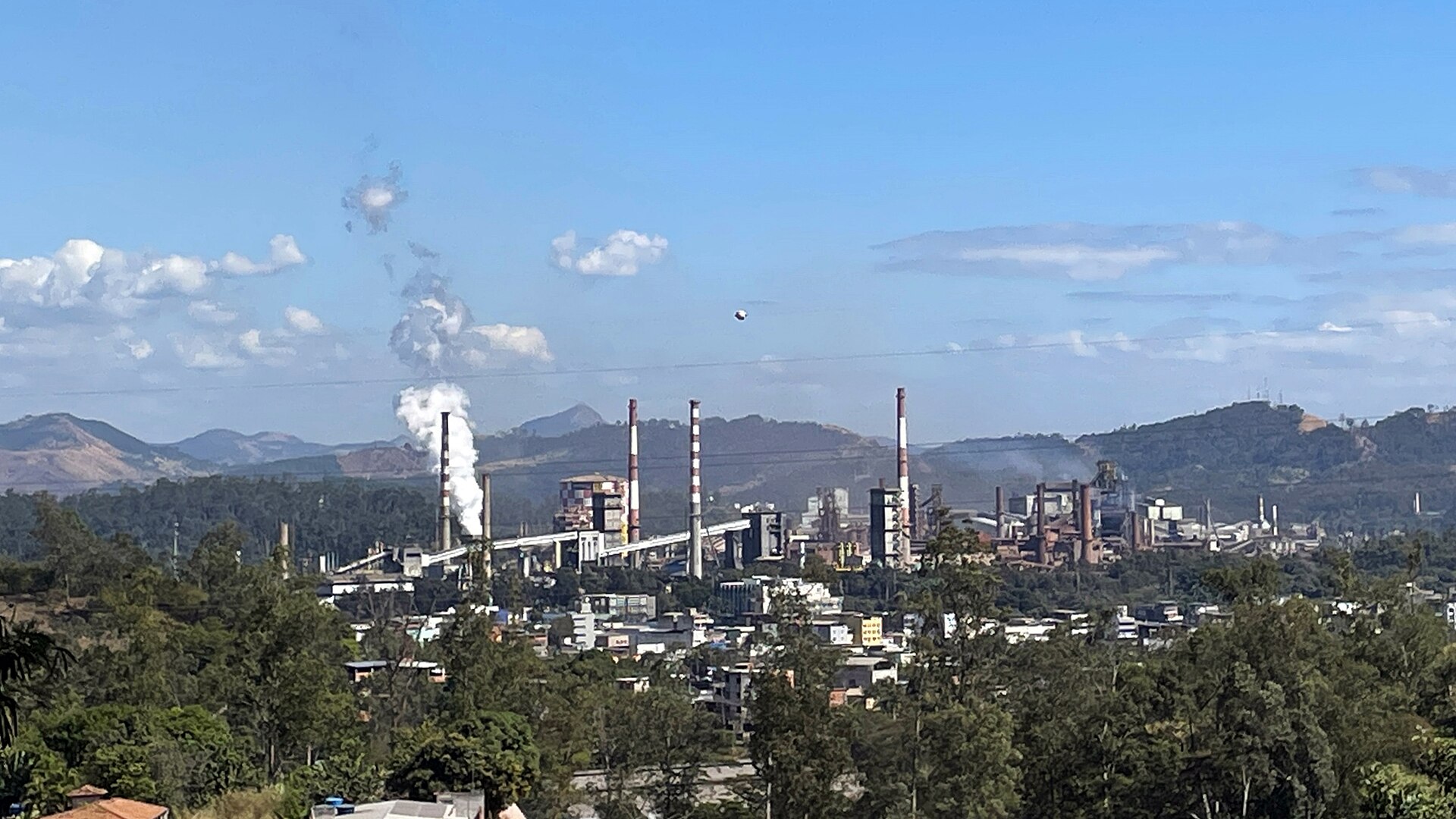
- The shutdown Mineração Usiminas has idled its Samambaia plant at Itatiaiuçu in Minas Gerais.
- The share Sources put the unit at 30 to 35 percent of the company’s iron ore output.
- The jobs Around 300 dismissals are circulating locally. The company has not confirmed the figure.
- The price Iron ore was at US$99.34 a tonne on the Singapore exchange, below the US$100 line.
- The freight Shipping to China rose to US$35 to US$38 a tonne, against a prior range of US$22 to US$23.
- The cause Part of the freight spike is attributed to shipping disruption linked to the conflict involving Iran.
The iron ore price fell below US$100 and the cost of shipping it to China rose by half. A mine in Minas Gerais stopped.
Mineração Usiminas has suspended operations at its Samambaia plant in Itatiaiuçu, Minas Gerais, a unit accounting for up to 35 percent of the company’s iron ore production.
What Stopped
Samambaia is a mining plant, not a steel mill. The distinction matters because Usiminas is best known as a steelmaker and this is its iron ore arm.
Sources vary on the unit’s share of output between 30 and 35 percent, with most describing it as up to 35 percent. Around 300 dismissals have been reported locally.
The company has not confirmed that number, and The Rio Times reports it as unconfirmed.
The Squeeze
Iron ore traded at US$99.34 a tonne on the Singapore exchange, below the psychologically important US$100 level. At the same time, maritime freight to China rose to between US$35 and US$38 a tonne, against a prior range of US$22 to US$23.
Part of that increase is attributed to shipping disruption connected to the conflict involving Iran rather than to demand on the China route itself.
Put together: the delivered price fell and the cost of delivering rose by more than half. For a producer whose ore is not premium grade and whose distance to port is not short, that combination closes the margin quickly.
Live Market IntelligenceBrazil — Live Market Board
Rio Times · Live Market Intelligence
Brazil — Live Market Board
+1.58%
166,684.61
+1.58%
69,438.37
+0.20%
10,416.21
+0.82%
2,848,945
—
2,452.46
—
| Instrument | Last | Change | YoY | Prev. | High | Low | Volume |
|---|---|---|---|---|---|---|---|
| IBOV | 166,684.61 | +1.58% | +6.91% | 164,089.81 | — | — | — |
| USD/BRL | 5.82 | -0.01% | +8.21% | 5.82 | 5.82 | 5.82 | — |
| SELIC | 13.75% | — | — | — | — | — | |
| PETR4 | 41.36 | +2.00% | +28.13% | 40.55 | 41.51 | 40.41 | 64,224,600 |
| VALE3 | 56.90 | +3.10% | -13.26% | 55.19 | 57.30 | 54.61 | 37,912,900 |
| ITUB4 | 40.01 | +0.68% | +3.26% | 39.74 | 40.49 | 39.27 | 31,775,400 |
| BBDC4 | 14.19 | +4.19% | -25.12% | 13.62 | 14.23 | 13.61 | 60,021,200 |
| BBAS3 | 14.69 | +3.60% | -33.14% | 14.18 | 14.79 | 14.06 | 45,676,300 |
| B3SA3 | 14.58 | +2.82% | +2.89% | 14.18 | 14.65 | 14.19 | 34,557,700 |
| ABEV3 | 15.81 | -1.80% | +15.07% | 16.10 | 16.22 | 15.81 | 44,747,900 |
| WEGE3 | 49.65 | -1.10% | +15.57% | 50.20 | 50.36 | 48.57 | 11,550,900 |
| PRIO3 | 60.50 | +1.51% | +61.25% | 59.60 | 61.11 | 59.33 | 7,583,300 |
| SUZB3 | 55.40 | -1.32% | +15.90% | 56.14 | 56.14 | 55.24 | 6,803,800 |
| RENT3 | 29.32 | +2.84% | -32.61% | 28.51 | 29.34 | 28.55 | 7,889,800 |
| AZZA3 | 15.33 | +8.11% | -46.19% | 14.18 | 15.34 | 14.20 | 5,722,000 |
| CSNA3 | 3.45 | +6.48% | -58.48% | 3.24 | 3.48 | 3.25 | 30,141,700 |
| GGBR4 | 25.86 | +2.33% | +37.85% | 25.27 | 26.22 | 24.81 | 15,153,700 |
| ENEV3 | 27.53 | +3.69% | +41.83% | 26.55 | 27.85 | 26.57 | 26,225,500 |
The Wider Reading
Brazil’s iron ore economics have been squeezed from both directions this year. Chinese steel demand has been soft, and the freight leg has been repricing on geopolitical risk that has nothing to do with either producer or customer.
A mine that idles because of freight rather than because of ore price is a different signal from one that idles on demand. Freight can reverse quickly.
Whether Samambaia restarts is therefore a question about the Red Sea and the Gulf as much as about Minas Gerais.
Why Freight Moves the Margin So Much
Iron ore is a low-value, high-bulk commodity. At roughly US$100 a tonne delivered, a freight cost of US$35 rather than US$22 is not a rounding error.
It is a substantial share of the delivered price. That is the structural difference between iron ore and almost every other traded commodity.
For copper concentrate or for gold, shipping is a small fraction of value. For ore it is a controlling variable.
It is also why Australian producers have a permanent structural advantage over Brazilian ones in the Chinese market. The sailing distance from Port Hedland to Qingdao is a fraction of the distance from Brazilian ports, and no operational improvement in Minas Gerais closes it.
Brazil competes on ore quality rather than on distance. When the price of that quality premium falls below the freight penalty, Brazilian tonnes stop moving.
Where Samambaia Sits
Mineração Usiminas is a comparatively small producer by Brazilian standards, operating in the Iron Quadrangle of Minas Gerais rather than in the northern Carajás systems where Vale’s highest-grade ore comes from. Iron Quadrangle ore is generally lower grade and requires more processing.
The deposits have been worked for a century and the easiest material is long gone. It is also further from a port.
Minas Gerais ore travels several hundred kilometres by rail to the Atlantic before it is loaded, which adds cost that a coastal or northern operation does not carry.A producer with those characteristics is the first to stop when delivered economics tighten and the last to restart when they loosen.
What Restart Depends On
Two variables, and neither is Brazilian. The first is Chinese steel demand, which has been soft through 2026 as the property sector continues to work through its adjustment.
The second is shipping. The freight spike is attributed in part to disruption connected to the conflict involving Iran, which affects vessel routing, insurance and available tonnage across the whole dry bulk market rather than the Brazil-China route specifically.
Freight can normalise quickly once the disruption ends, and a mine idled on freight is easier to restart than one idled on ore price. The 300 workers reported locally will be watching the second variable more closely than the first.
Usiminas has not published a restart condition or a timeline.
More: Brazil news in English, every day from The Rio Times.
Frequently Asked Questions
What has Usiminas shut down?
The Samambaia mining plant at Itatiaiuçu in Minas Gerais, operated by Mineração Usiminas.
How much production does it represent?
Sources put it at 30 to 35 percent of the company’s iron ore output.
How many jobs are affected?
Around 300 dismissals have been reported locally, but the company has not confirmed the figure.
Why did it stop?
Iron ore fell to US$99.34 a tonne while freight to China rose to US$35 to US$38, from US$22 to US$23.
Is this a steel plant?
No. It is an iron ore mining unit, not a steel mill.
Sources: Revista Mineração, Portal G37.
This article was produced by The Rio Times’ automated AI newsroom. Editorial responsibility: Matthias Camenzind, Publisher and Editor-in-Chief. The Rio Times also runs Ask Rio Times, which answers from 100,000+ of our own articles, the daily Latin America Power Map, and prediction-market odds on elections and markets.. How we use AI · Report an error
Brazil runoff, Sunday, October 25: Brazil runoff start time and results schedule. Latest: Brazil runoff polls, Flávio 51%, Lula 49%.