Brazil’s Farm Loan Defaults Hit a Record as Costs Squeeze Producers
BRAZIL · AGRIBUSINESS
Key Facts
—The headline. Rural delinquency in Brazil ended 2025 at 8.2% of the rural population, the highest in Serasa Experian’s quarterly series.
—The trend. The rate rose a full percentage point from 7.2% a year earlier, climbing each quarter through 2025.
—The drivers. Serasa cited tight margins, high input costs, volatile prices and more selective credit; fertiliser and fuel costs rose partly on the Iran war.
—The geography. The North led at 12.5% and Amapá was highest among states at 19.9%; the South was lowest at 5.7%, with Rio Grande do Sul best at 5.3%.
—The amounts. Average overdue debt reached R$138,200 ($27,500) with agribusiness creditors and R$115,500 ($23,000) with banks.
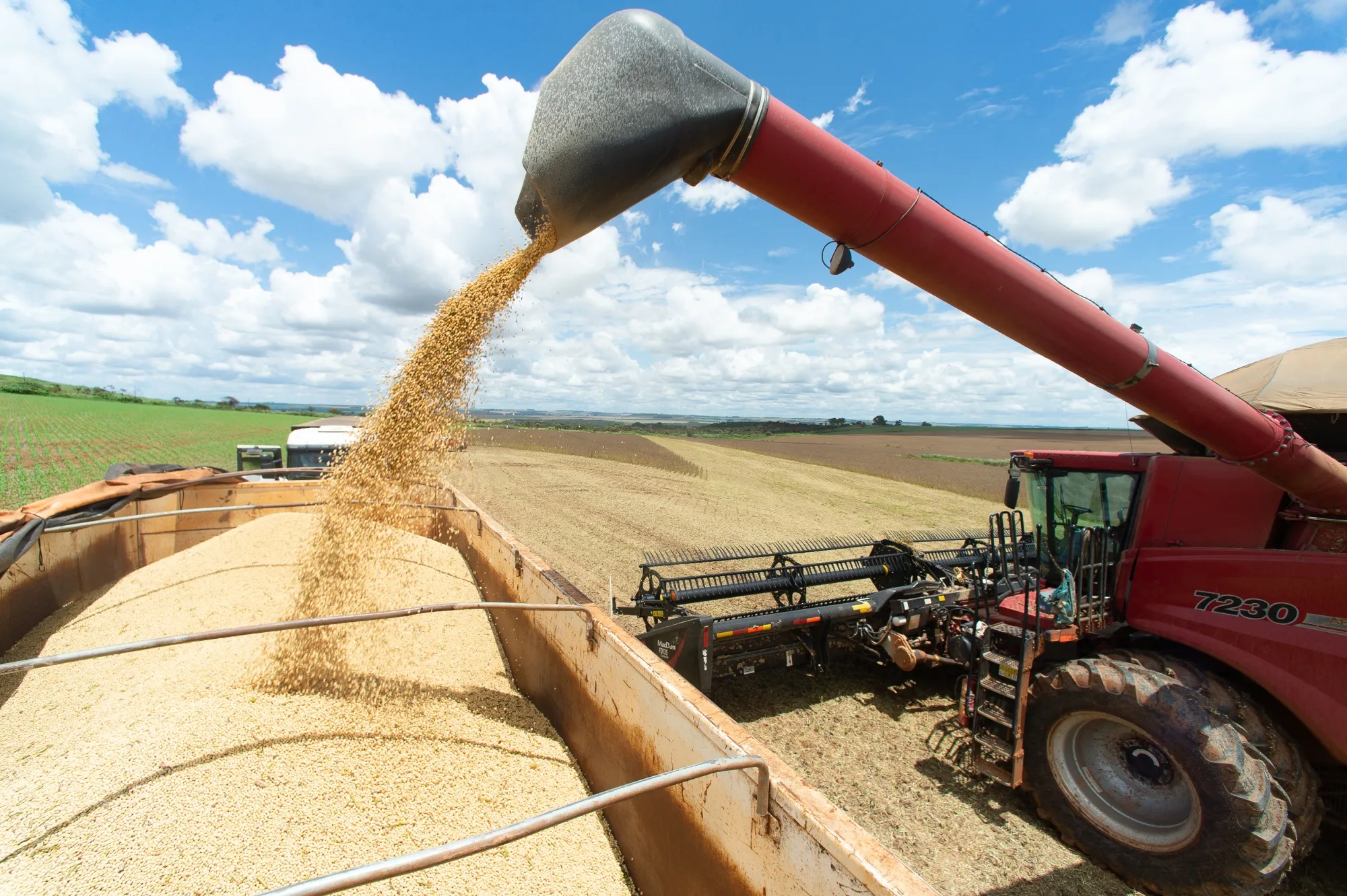
Brazil’s farm sector is the engine of its export economy, but a record share of rural borrowers ended 2025 behind on their debts — a sign that high costs and tighter credit are straining producers even as the harvest rolls on.
Farm loan defaults reach a series high
Delinquency among Brazil’s rural population ended 2025 at 8.2% in the fourth quarter, the highest level in the quarterly series tracked by Serasa Experian’s Boletim Agro, released on Monday. The figure was up one percentage point from 7.2% a year earlier and 0.2 point from the third quarter, having risen steadily from 7.6% in the first quarter to 7.9% in the second and 8.0% in the third. The index counts individuals in rural areas with debts overdue by more than 180 days, of at least R$1,000 ($199), tied to agricultural financing and activity.
Marcelo Pimenta, head of agribusiness at Serasa Experian, said producers continue to face squeezed margins, high costs, price volatility and more selective credit, which keep pressure on cash flow in the countryside despite signs of stabilisation in some segments.
Who is falling behind
By profile, the highest delinquency was among producers without rural-registry information — a group that may include tenant farmers and members of family or economic groups — at 9.9%, followed by large landowners at 9.8%, mid-sized producers at 8.3% and small producers at 7.8%. Most overdue debt is concentrated in operations with financial institutions, a category covering banks, investment funds and credit cooperatives, at 7.2% of the rural population. Debts owed directly to agribusiness suppliers accounted for 0.3% and other related sectors for 0.2%.
Although less frequent, debts to agribusiness creditors carried the highest average value, at R$138,200 ($27,500), above R$115,500 ($23,000) at financial institutions and R$32,600 ($6,500) in other related sectors — a pattern Serasa linked to the larger, longer-term nature of rural credit, where a few defaulters concentrate sizeable sums.
A sharp regional divide
The strain is uneven across the country. The South posted the lowest regional rate at 5.7%, followed by the Southeast at 7.0%, with the Centre-West at 9.6%, the Northeast at 9.4% and the North highest at 12.5%. Among states, Rio Grande do Sul performed best at 5.3%, followed by Paraná and Santa Catarina, while Amapá recorded the country’s highest rate at 19.9%. Serasa linked the southern states’ resilience to a strong presence of cooperatives and wider use of crop insurance.
A crisis that has not eased in 2026
The Serasa figures run through the end of 2025, but other data suggest the pressure has persisted into this year. The central bank reported that delinquency on earmarked rural credit for individuals reached 7.4% of the portfolio in April, one of the highest readings on record, behind only February’s 7.6%. The mounting strain has also driven a rise in judicial-recovery filings by producers. For a sector that anchors Brazil’s trade surplus, the trend bears watching as input costs — including fertiliser and fuel pushed up by the conflict in the Middle East — stay elevated.
Frequently Asked Questions
How high did Brazil’s rural defaults rise?
Rural delinquency reached 8.2% in the fourth quarter of 2025, a record in Serasa Experian’s quarterly series and up one percentage point from a year earlier.
What is driving the increase?
Serasa cited tight margins, high input costs, volatile prices and more selective credit, with fertiliser and fuel costs lifted partly by the Iran war.
Which regions are worst affected?
The North was highest at 12.5% and Amapá worst among states at 19.9%; the South was lowest at 5.7%, led by Rio Grande do Sul at 5.3%.
Has the trend continued into 2026?
Yes. The central bank reported earmarked rural credit delinquency for individuals at 7.4% in April, one of the highest on record.
Connected Coverage
For more on Brazil’s economy, see our coverage of the U.S. Section 301 tariff case and Petrobras and Brazil’s energy-security debate.
This article was produced by The Rio Times’ automated newsroom system. How we use AI · Report an error
Read More from The Rio Times