Brazil’s Farm Delinquency Climbs In 2025, Hitting Younger Producers Hardest
Key Points
- Rural delinquency reached 8.3% in Q3 2025, up 0.9 points year over year.
- Ages 30–39 were most exposed, with a 12.7% delinquency rate.
- Overdue debt is concentrated in banks, while supplier credit shows near-zero defaults.
Credit stress is rising inside Brazil’s agribusiness. Serasa Experian put rural delinquency at 8.3% in Q3 2025. That was 0.9 percentage points higher than Q3 2024. It was also 0.2 points above Q2 2025.
Serasa counts rural people with debts overdue by more than 180 days. It applies a minimum overdue amount of R$1,000. It also looks back up to five years. In mid-2025, it refined parts of its rural base using CAR records.
The age split highlights a vulnerable cohort. Producers aged 30 to 39 had the highest delinquency rate, at 12.7%. Producers aged 80 and above had the lowest rate.
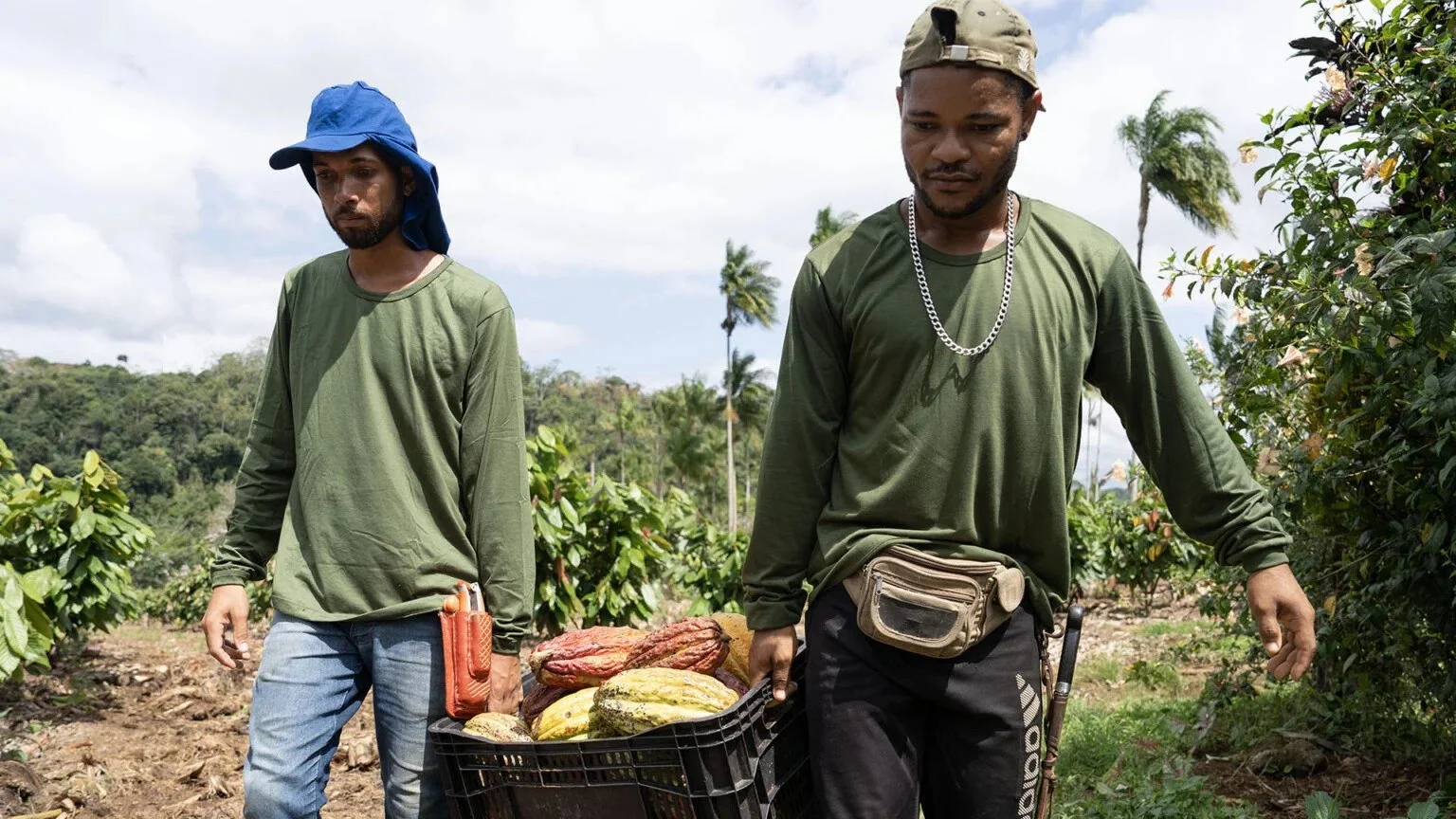
Delinquency varies by profile too. Producers without rural registry information posted 10.8%. Serasa links this group to land renters and economic-family arrangements. Large owners were at 9.6%.
Medium owners were at 8.1%. Small owners were at 7.8%. Most overdue debt sits with banks. Delinquency tied to financial institutions reached 7.3%. Debts with agribusiness creditors were 0.3%.
Other sectors added 0.2%. Average overdue bank debt was R$100.5k. Average overdue agro-creditor debt was R$130.3k. Other-sector averages were R$31.7k.
Geography also matters. The South posted the lowest delinquency rate, at 5.5%. The Southeast was 7.0%. The Center-West was 9.4%. The Northeast was 9.7%.
The North was 12.4%. Rio Grande do Sul was lowest among states at 5.1%. Amapá was highest at 19.8%. Serasa points to cooperatives, integrated systems, insurance use, and renegotiation lines as stabilizers.
Other indicators are weakening. Serasa said the average Agro Score fell from 644 to 603. It also recorded 628 agribusiness judicial reorganization requests in Q3 2025. Major outlets echoed the figures on X, though TikTok access was restricted.
Higher defaults can tighten rural credit, delay planting, and speed consolidation.
Related coverage: Brazil’s Morning Call | Brazil Tops Latin America’s Billionaire Count as Oxfam Warns This is part of The Rio Times’ daily coverage of Brazil affairs and Latin American financial news.
This article was drafted with automated assistance and reviewed before publication. How we use AI · Report an error · Editorial responsibility: Matthias Camenzind, Editor-in-Chief
Read More from The Rio Times