Brazil’s Car Production Surges While Inflation Pressures Industry Recovery in July
On August 7, 2025, Brazil’s latest economic data paints a picture of resilience coupled with caution. The country’s annual inflation reached 5.3% in July, above the 4.5% target, with housing and transport leading the rise.
Everyday costs remain high, largely because of supply challenges and global uncertainty. Still, prices are not spiraling out of control, giving some reassurance to families and businesses.
Manufacturers are also navigating changes. Factory prices dropped for a fifth straight month, with the Producer Price Index falling 1.25% in June.
This trend eases some pressure for producers, but unpredictable costs show how tricky planning remains in today’s market. The automotive sector is the clear success story.
Car production in July jumped nearly 16%, reaching over 237,000 units, and sales rose 14%. For the first time this year, one brand sold over 50,000 vehicles in just a month, while rivals expanded their share quickly.
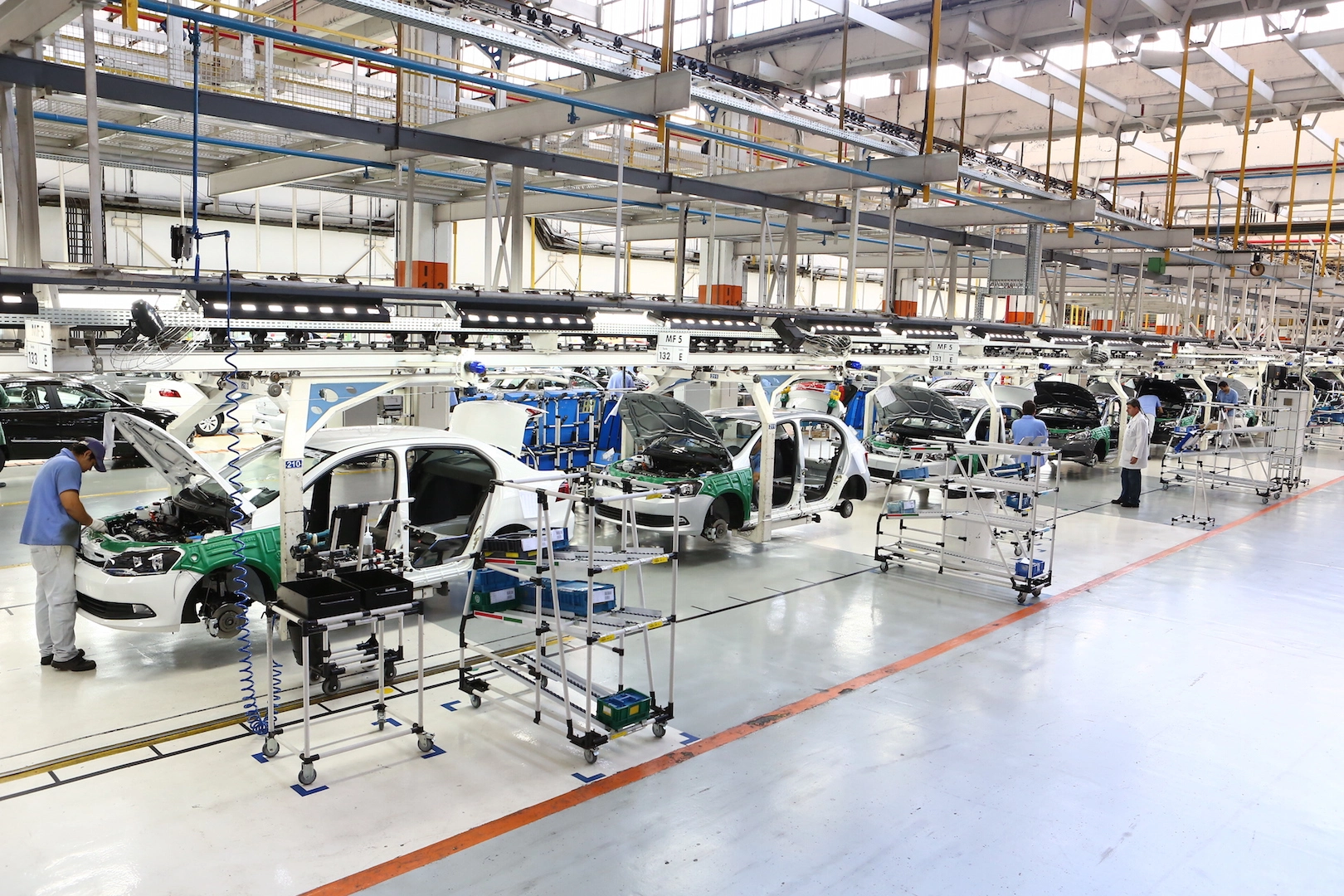
Flexible fuel vehicles remain especially popular. The spike in car exports—up 60% so far in 2025—reminds the world of Brazil’s role as a major regional supplier. Solid demand has helped counter slowdowns in other parts of industry.
However, the wider economy is now growing more slowly. Even with strong auto numbers, overall industrial output slipped slightly in May.
Forecasts suggest Brazil’s economy will expand by just over 2% this year, held back by high interest rates and tight government spending after stronger years in the past.
Despite obstacles, the labor market remains steady and shoppers are showing a bit more confidence. Behind these facts lies a simple story. Brazil is not racing ahead, but it is holding its ground.
While inflation remains a worry, the country’s car makers are driving a recovery that benefits workers, exporters, and local communities.
In a world of global ups and downs, Brazil’s real test in 2025 is to keep adapting—controlling prices, building on export strengths, and avoiding risks that could slow progress further.
The future will depend on staying flexible as every part of the economy feels the impact of global forces.
This article was produced by The Rio Times’ automated newsroom system. How we use AI · Report an error · Editorial responsibility: Matthias Camenzind, Editor-in-Chief
LatAm Markets: Live Signals → — real-time movers, turnover leaders and FX across Latin America.