Q2 2025: Braskem, Dasa, and WPP Face Pressure and Change
In the second quarter of 2025, Braskem, Dasa, and WPP each faced major transitions or pressures in their core businesses
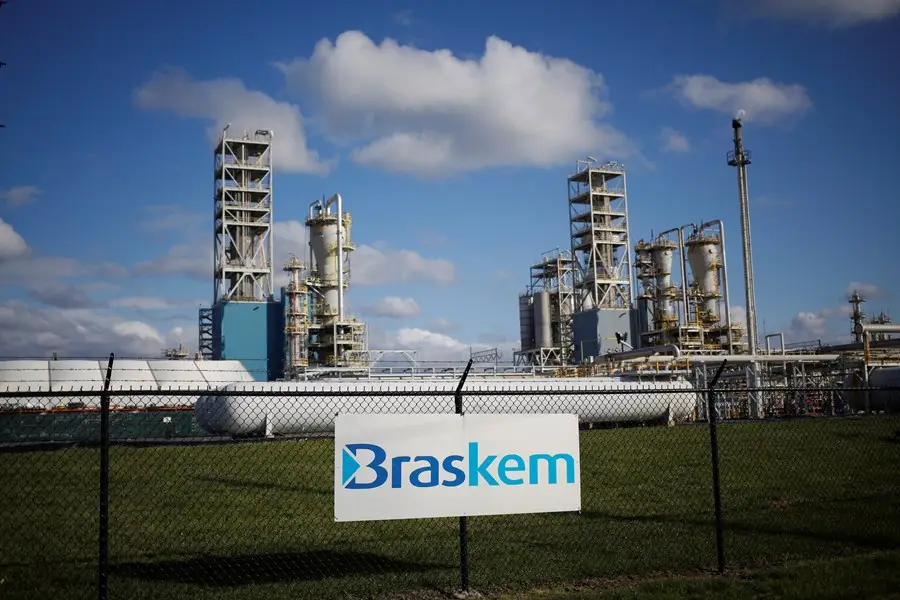
In the second quarter of 2025, Braskem, Dasa, and WPP each faced major transitions or pressures in their core businesses, as disclosed in their own official financial reports.
Brazil’s leading petrochemical firm Braskem dealt with deteriorating earnings and rising debt. Healthcare giant Dasa focused on a strategic brand merger and digital expansion.
Advertising multinational WPP, with deep Brazilian operations, reported a sharp drop in profit and engaged in significant restructuring. Together, their results highlight rising costs, shifting strategies, and mounting uncertainty in several sectors.
Braskem: Cost Pressures and Rising Debt Take Center Stage
Braskem, Brazil’s main petrochemical company, saw performance fall sharply during Q2 2025. Recurring EBITDA for the quarter dropped to R$427 million ($75 million), far beneath analyst expectations.
Revenues were R$17,857 million ($3,134 million), lower than R$19,075 million ($3,346 million) reported in the same period in 2024. The company also posted a net loss of R$267 million ($47 million), reversing a profit noted in the previous quarter.
Several factors drove these results. Braskem continued to face elevated production costs due to high-priced raw materials purchased earlier, even as resin and feedstock prices fell sharply after April 2.

A planned maintenance stoppage at its Mexican plant further hurt performance. Free cash flow was negative at R$1,200 million ($211 million), underscoring pressures on daily operations.
The company’s financial health also slipped. Net debt stood at US$6.9 billion, and the crucial net debt to EBITDA ratio climbed from 7.98 to 10.59, largely driven by the earnings decline.
Braskem’s management stated that it maintains a cash reserve of US$1.7 billion and an unused US$1 billion credit line, enough to cover future obligations for roughly the next 30 months.
However, with 91% of debt in foreign currencies, the company remains exposed to exchange rate shocks. Braskem is confronting a rough market.
Industry spreads remain low. Trade disputes, especially the persistent China–US tensions, contribute to weaker international pricing.
The short-term outlook is uncertain; management and analysts point out that any sector recovery might depend on regulatory changes or trade protections that could take time and face tough global competition. For now, management focuses on stricter cost controls and cash preservation.
Dasa: Mergers and New Tech Aim to Lift Healthcare Group
Dasa, Brazil’s largest integrated healthcare group, pressed ahead with a large-scale brand unification during the quarter.
The company merged its Delboni and Salomão Zoppi laboratory operations under the Delboni name, combining 36 labs across São Paulo, Osasco, and Santos.
Dasa’s goal was to build stronger brand recognition and offer a more integrated care experience, especially by leveraging Salomão Zoppi’s recognized expertise in women’s health.
The transition will introduce advanced women’s health services—like gynecology, mammography, prenatal care, and high-complexity diagnostics—into the broader Delboni network, adding value for patients.
Key specialties in pediatrics, orthopedics, and general medicine remain a cornerstone of Dasa’s offerings in these markets. Dasa also increased its focus on technology.
Investments in artificial intelligence have begun improving the speed and accuracy of diagnostics. Company leadership states that these tech upgrades will help Dasa deliver preventive, diagnostic, and treatment services to a wider patient base.
Dasa serves 23 million patients every year, relies on over 50,000 employees, and operates 15 hospitals nationwide. While Dasa’s public statements present this as a leap forward, the reality is competitive and operationally tough.
Many major Brazilian hospital and lab networks target the same patients. The task of integrating brands while continuing to upgrade digital infrastructure and control costs puts real stress on management.
Still, Dasa hopes better service integration and greater use of technology will bring long-term benefits in a crowded medical market.
WPP: Profits Plunge as Ad Giant Cuts Costs and Staff
WPP, a global leader in advertising with major Brazilian agencies, reported steep declines in the first half of 2025. Net profit fell 78.5% to £44 million (R$1,092 million, $192 million), down sharply from £205 million (R$5,093 million, $894 million) in the first half of 2024.
Net revenue dropped 10.2% to £5.03 billion (R$124,571 million, $21,860 million). The second quarter alone was worse, with a 12.6% year-on-year revenue drop.
Several causes converged. WPP cited weak demand from key clients, large restructuring costs, and a one-off writedown of £116 million (R$2,872 million, $504 million) in intangible asset values, particularly in its AKQA and Grey agency brands.
The firm also cut jobs, dropping total staff from 113,000 to 104,000 over the year. Management expects these moves to save £150 million (R$3,802 million, $667 million) a year by 2026, but the cuts did little to improve short-term results.
The company also halved its interim dividend to £0.075 (R$1.86, $0.33) per share, reflecting tighter conditions. WPP’s technology investment is notable. Internal AI platform “WPP Open” now supports 85% of frontline agency staff.
However, this greater efficiency has also contributed to staff reductions. In WPP’s “Rest of the World” region, which includes Latin America, net revenue fell 5.4% in the first half, and 6.8% in the second quarter, with no separate national data available for Brazil.
CEO Mark Read described the first half as a difficult period for WPP, and will leave his post in September, with Cindy Rose set to take over.
The group’s results show a company focused on cost control, technology upgrades, and flexibility. Yet softer client budgets and global ad market pressures could keep profits under pressure in the coming quarters.
Live Company IntelligenceBraskem S.A — the full investor dossier
Valuation & profitability
Price & risk
$3.5252-wk high
$13.78
Revenue trend · 6y
Ownership
Dividend
This article was produced by The Rio Times’ automated newsroom system. How we use AI · Report an error · Editorial responsibility: Matthias Camenzind, Editor-in-Chief
LatAm Markets: Live Signals → — real-time movers, turnover leaders and FX across Latin America.