What Q2 2025 Numbers Tell Us About CBA, CSU Digital, and Iochpe-Maxion
Second-quarter earnings for three major Brazilian companies—Companhia Brasileira de Alumínio (CBA), CSU Digital
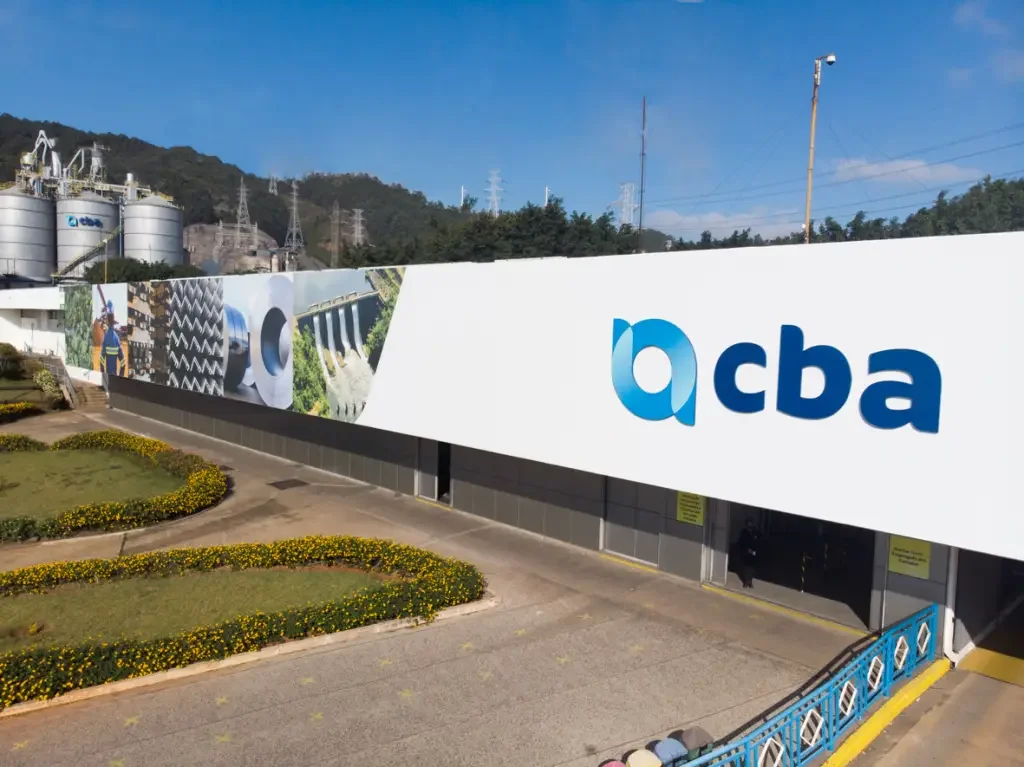
Second-quarter earnings for three major Brazilian companies—Companhia Brasileira de Alumínio (CBA), CSU Digital, and Iochpe-Maxion—paint a clear picture of shifting fortunes in Brazil’s business world.
Their official filings show real gains and real challenges that matter for investors, employees, and anyone interested in South America’s largest economy. By sticking to the data and leaving out wishful thinking, the numbers show what is working—and what isn’t.
CBA: Aluminum Producer Faces Tough Quarter
CBA (Companhia Brasileira de Alumínio) is one of Brazil’s leading aluminum producers, with operations covering extraction, refining, and processing of aluminum and related products.
Official company reports show that CBA lost R$89 million ($16 million) in Q2 2025 after earning R$193 million ($34 million) one year earlier. Sales of aluminum dropped by 8%.
Overall revenue slipped 3% compared to the same period in 2024, finishing at R$2 billion ($351 million). CBA had to buy alumina, a key input, on the open market due to unexpected refinery maintenance—paying top prices and pushing costs even higher.
Often, such downtime comes and goes. Here, it highlights bigger issues: CBA faces consistent cost challenges and struggles to keep margins healthy, with competition and high input prices squeezing every real and dollar.
CBA spent R$227 million ($40 million) more cash than it earned in the quarter, sending its debt higher—a signal that financial pressure has become a fact of life.
Rather than waiting for better prices, CBA is investing R$670 million ($118 million) in new furnace technology and R$2 billion ($351 million) in bauxite mining over several years, hoping to cut costs and boost output.
Still, the results will not come overnight, and the company must manage its debt carefully in a market where every detail counts.
CSU Digital: Payments and Banking Tech Keeps Growing
CSU Digital is a technology company specializing in digital payments, banking as a service (BaaS), loyalty programs, and digital experience solutions for financial institutions and large enterprises.
CSU Digital’s Q2 2025 shows the upside of staying focused and efficient. The company posted net income of R$23.7 million ($4 million), up 5.5% on the year.
Revenue reached R$154.7 million ($27 million), growing both compared to last quarter and last year. The core of this success is CSU Pays—a financial services and payments platform—and CSU DX, its digital experience business.
The financial services arm brought in R$98.4 million ($17 million), while the digital unit grew revenues by 14.6% to R$56.3 million ($10 million).
With 302.5 million transactions processed and R$127.2 billion ($22 billion) in payment volume for the quarter, CSU’s numbers point to a business growing through real demand, not just promises.
CSU credits smarter technology, like artificial intelligence, with helping keep operations lean and efficient. Its approach isn’t about dramatic leaps but about doing the basics better and expanding where it already excels—in Brazil and, soon, the United States.
Its low debt and clear cash position give CSU the flexibility to pursue new markets without overreaching.
Iochpe-Maxion: Auto Parts Manufacturer Sees Strong Rebound
Iochpe-Maxion is South America’s largest manufacturer of automotive wheels and structural components, supplying leading global automakers from 33 factories in 14 countries.
Iochpe-Maxion saw its Q2 2025 profit jump by 135% year-over-year, reaching R$86.8 million ($15 million). Revenue climbed to R$4.1 billion ($719 million), and sales in Brazil and Europe made up for slower business in North America.
Earnings before interest, taxes, depreciation, and amortization (EBITDA) increased 15.8%, totaling R$450.47 million ($79 million), with an 11% EBITDA margin.
Part of the rebound came from currency gains—R$302 million ($53 million) this quarter and R$700.8 million ($123 million) in the first half of the year.
The company commands 17,000 employees and continues to invest R$550 million ($96 million) a year in maintenance and capacity expansion. However, costs remain high: financing costs reached R$151.4 million ($27 million), and net debt stood at R$3.86 billion ($677 million).
This article was produced by The Rio Times’ automated newsroom system. How we use AI · Report an error · Editorial responsibility: Matthias Camenzind, Editor-in-Chief
LatAm Markets: Live Signals → — real-time movers, turnover leaders and FX across Latin America.