IBOV 174,069.52 ▼ 0.61% IPSA 11,471.45 ▲ 0.01% IPC MEX 65,580.29 ▼ 0.38% MERVAL 2,992,575 ▼ 0.29% COLCAP 2,488.20 ▼ 0.06% BVL PERÚ 60,779.49 ▲ 0.58% USD/BRL5.21▲ 1.01% USD/MXN17.04▲ 0.34% USD/CLP927.83▲ 0.15% USD/COP3,207▲ 2.53% USD/PEN3.35▼ 0.01% USD/ARS1,513▲ 0.02% USD/UYU40.27▲ 1.50% USD/PYG5,900▲ 0.50% USD/BOB11.78▲ 3.59% USD/DOP58.61▲ 0.96% USD/CRC446.65▲ 0.98% USD/GTQ7.62▲ 2.25% USD/HNL26.84▲ 0.40% USD/NIO36.62▼ 0.02% USD/VES789.69▼ 0.13% USD/PAB1.00— 0.00% USD/BZD2.00— 0.00% USD/JMD 157.28 — 0.00% USD/TTD6.72▲ 0.77% EUR/BRL6.04▲ 0.73% BRENT 88.88 ▼ 0.03% WTI 83.11 ▼ 0.11% IRON ORE 161.91 — — COPPER 6.61 ▲ 0.03% GOLD 4,461 ▲ 1.78% SILVER 65.59 ▲ 1.26% SOY 1,184 ▲ 3.20% CORN 480.50 ▲ 10.02% WHEAT 655.00 ▲ 3.93% COFFEE 317.25 ▼ 5.51% SUGAR 16.43 ▼ 1.79% ORANGE JUICE 138.55 ▼ 0.47% COTTON 85.03 ▲ 2.33% COCOA 5,719 ▲ 3.18% BEEF 223.60 ▼ 3.93% CATTLE 339.10 ▼ 3.16% LITHIUM 75.20 ▲ 1.47% PETR4 41.64 ▼ 0.05% VALE3 72.97 ▲ 0.83% ITUB4 38.60 ▼ 1.03% BBDC4 16.85 ▲ 0.36% ABEV3 14.89 ▼ 0.80% BBAS3 19.37 ▲ 0.47% B3SA3 14.26 ▼ 0.21% WEGE3 47.59 ▲ 0.49% PRIO3 59.14 ▼ 0.19% SUZB3 41.33 ▲ 2.35% RENT3 34.68 ▼ 0.09% AZZA3 15.89 ▼ 2.63% CSAN3 3.22 ▼ 1.83% RAIZ4 0.25 — 0.00% PCAR3 2.75 ▼ 0.36% GMAT3 3.65 ▼ 1.08% PSSA3 48.13 ▼ 0.54% CVCB3 1.33 ▼ 2.92% POSI3 3.36 ▲ 2.44% SLCE3 13.34 ▲ 0.30% NATU3 8.14 ▼ 0.73% IBOV 174,069.52 ▼ 0.61% IPSA 11,471.45 ▲ 0.01% IPC MEX 65,580.29 ▼ 0.38% MERVAL 2,992,575 ▼ 0.29% COLCAP 2,488.20 ▼ 0.06% BVL PERÚ 60,779.49 ▲ 0.58% USD/BRL 5.16 ▲ 0.01% USD/MXN 17.06 ▼ 0.24% USD/CLP 913.98 ▲ 0.04% USD/COP 3,140 ▲ 0.03% USD/PEN 3.36 ▼ 0.66% USD/ARS 1,493 ▲ 0.10% USD/UYU 40.27 ▲ 1.24% USD/PYG 5,939 ▲ 1.68% USD/BOB 11.64 ▼ 0.76% USD/DOP 58.34 ▲ 1.25% USD/CRC 445.92 ▲ 0.89% USD/GTQ 7.62 ▲ 2.21% USD/HNL 26.79 ▲ 1.57% USD/NIO 36.62 ▲ 0.69% USD/VES 762.44 ▼ 0.13% USD/PAB 1.00 — 0.00% USD/BZD 2.00 — 0.00% USD/JMD 157.28 — 0.00% USD/TTD 6.70 ▲ 0.61% EUR/BRL 5.95 ▲ 1.01% BRENT 88.88 ▼ 0.03% WTI 83.11 ▼ 0.11% IRON ORE 161.91 — — COPPER 6.61 ▲ 0.03% GOLD 4,461 ▲ 1.78% SILVER 65.59 ▲ 1.26% SOY 1,184 ▲ 3.20% CORN 480.50 ▲ 10.02% WHEAT 655.00 ▲ 3.93% COFFEE 317.25 ▼ 5.51% SUGAR 16.43 ▼ 1.79% ORANGE JUICE 138.55 ▼ 0.47% COTTON 85.03 ▲ 2.33% COCOA 5,719 ▲ 3.18% BEEF 223.60 ▼ 3.93% CATTLE 339.10 ▼ 3.16% LITHIUM 75.20 ▲ 1.47% PETR4 41.64 ▼ 0.05% VALE3 72.97 ▲ 0.83% ITUB4 38.60 ▼ 1.03% BBDC4 16.85 ▲ 0.36% ABEV3 14.89 ▼ 0.80% BBAS3 19.37 ▲ 0.47% B3SA3 14.26 ▼ 0.21% WEGE3 47.59 ▲ 0.49% PRIO3 59.14 ▼ 0.19% SUZB3 41.33 ▲ 2.35% RENT3 34.68 ▼ 0.09% AZZA3 15.89 ▼ 2.63% CSAN3 3.22 ▼ 1.83% RAIZ4 0.25 — 0.00% PCAR3 2.75 ▼ 0.36% GMAT3 3.65 ▼ 1.08% PSSA3 48.13 ▼ 0.54% CVCB3 1.33 ▼ 2.92% POSI3 3.36 ▲ 2.44% SLCE3 13.34 ▲ 0.30% NATU3 8.14 ▼ 0.73%
since 2009
Friday, August 28, 2026

Brazil Business - Brazil

Brazil’s 2020 Budget Reduces Discretionary Funding and Investment Expenditures

By · September 1, 2019 · 3 min read

Daily Brief

The morning intel from across Latin America. Free.

By subscribing you agree to our privacy policy. We never share your email.

RIO DE JANEIRO, BRAZIL – The discretionary resources of the ministries and federal agencies in 2020 will suffer a reduction of R$13 (US$3.25) billion compared to this year according to the budget bill (PLOA) sent by the government to the National Congress on Friday, August 30th.

The discretionary expenditures include spending on investments and cost of the public administration, such as payment for water, electricity, transportation, and even scholarships.

In 2017, 2018 and 2019, mandatory spending grew more than R$200 billion and will grow more than R$50 billion next year.
In 2017, 2018 and 2019, mandatory spending grew more than R$200 billion and will grow more than R$50 billion next year. (Photo internet reproduction)
One-stop reference
Company Intelligence
Every listed company in Latin America — financials, ownership and structure for 1,450+ companies across 26 exchanges, in one place.
Browse the directory →
RT
Ask Rio Times
Latin American markets, currencies and companies.
Open the full Ask Rio Times →

The draft 2020 Budget makes a total of R$89.1 billion available for these items. The amount approved for this year is R$102.4 billion, but was reduced to about R$94 billion with the contingencies.

In a press conference on Friday, August 30th, the special secretary of the Treasury, Waldery Rodrigues, recognized that the amount expected for next year “may compromise government operations,” but stressed that there is no risk of a shutdown due to lack of funds.

“It shows the need for measures to be taken, and we will do so. These measures will be detailed in due course. They allow the recomposition of the fiscal realities and are measures that can be worked with the National Congress. So, we don’t consider any shut down”, he said.

Rodrigues also said that the minimum level for mandatory expenses should be about at least R$100 billion.

“The threshold of R$ 102 billion, which was in PLOA 2019, is, in fact, a number that, for the current status of ministries, corresponds to a value in which the policies are implementable.

Mandatory spending

While resources for discretionary spending continue to fall, the growth of mandatory spending should reach 94 percent of the total budget next year, according to projections presented by the government. Mandatory expenditures are those that cannot be withheld or postponed, such as payment of wages and pensions.

“In 2017, 2018 and 2019, mandatory spending grew more than R$200 billion and will grow more than R$50 billion next year. We need to open the political debate about what rules can be adopted to increase the control of compulsory spending,” said National Treasury Secretary Mansueto Almeida.
The 2020 Budget takes into account a 2.17 percent growth in the economy next year, which "is in line with market parameters", in Rodrigues' evaluation.
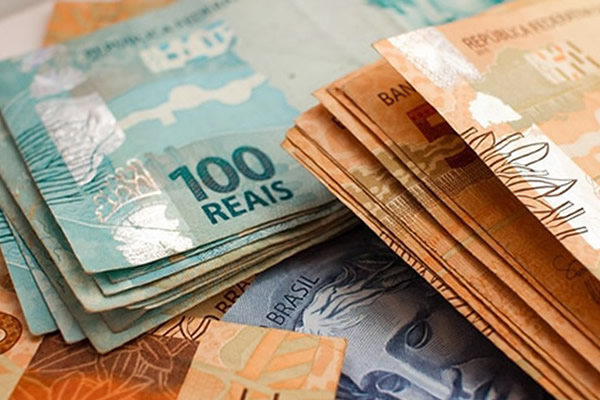
The 2020 Budget takes into account a 2.17 percent growth in the economy next year, which “is in line with market parameters”, in Rodrigues’ evaluation. (Photo internet reproduction)

According to Waldery Rodrigues, the government is working on the elaboration of a proposed constitutional amendment (PEC) to deal with the de-indexation of mandatory spending and other mechanisms that may hinder the increase of these expenditures in the future.

The measure has been defended by the Minister of Economy, Paulo Guedes.

Growth of 2.17 Percent Anticipated

The 2020 Budget takes into account a 2.17 percent growth in the economy next year, which “is in line with market parameters”, in Rodrigues’ evaluation.

For the Broad National Consumer Price Index (IPCA), projections linked to the draft budget law indicate an increase of 3.91 percent in 2020. Another inflation indicator, the National Consumer Price Index (INPC), foresees an increase of 4.02 percent.

In the government’s projections, the average price of a barrel of oil should be US$ 61.45, lower than the US$ 74 calculated for this year. The indicator is important because it can expand or reduce government revenues from the sector.

“If the price falls below US$ 61.45, we will have a loss of revenues related to oil. If it goes up, we will have gains,” explained the secretary.

This article was produced by The Rio Times’ automated newsroom system. How we use AI · Report an error

Read More from The Rio Times

The Rio Times · Power Map
See who really holds power in Latin America
Click to open the Power Map

Rotate for Best Experience

This report is optimized for landscape viewing. Rotate your phone for the full experience.