Brazilian Senate Endorses 20% Tax on Low-Value Imports to Boost Auto Industry
In a decisive move, the Brazilian Senate endorsed a bill imposing a 20% tax on imports up to $50.
This legislative stride bolsters the automotive sector as a key component of the Mover initiative.
Initially, the bill removed the e-commerce tax, deemed irrelevant to the program’s goals.
Nonetheless, after thorough deliberations, senators reinstated this tax, highlighting its broader significance.
Confirming this, Senate President Rodrigo Pacheco announced the revised proposal’s return to the House for further scrutiny.
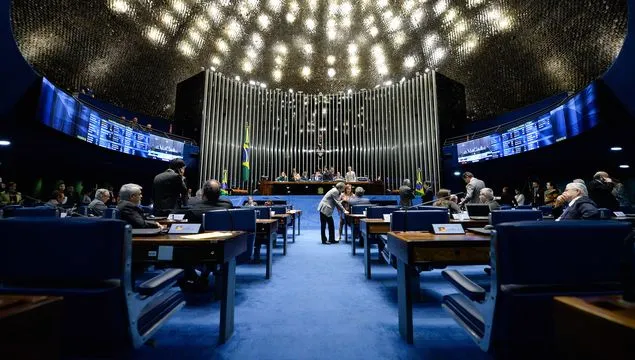
Previously debated and briefly excluded, this tax resurfaced amid calls for a more extensive industrial stimulus.
Indeed, the narrative extends beyond mere taxation to encompass innovation and green mobility.
During the session, senators addressed opposition demands for national product tax exemptions and instead focused on a national industrial development fund.
Brazilian Senate Endorses 20% Tax on Low-Value Imports to Boost Auto Industry
Initially passing the Senate without the tax, the Mover project received unanimous support with 67 votes in favor.
Subsequently, the focus shifted to refining the tax details, with leaders advocating for transparent voting to ensure robust support.
This strategy aims to protect domestic markets and industries from the influx of international e-commerce, particularly from Asian platforms like Shein and Shopee.
In the midst of these negotiations, President Luiz Inácio Lula da Silva achieved a compromise that addressed public concerns while meeting legislative goals.
His administration has been combating tax evasion, notably through the Remittance Compliance program, which exempts qualifying online goods from import taxes, a stark contrast to usual rates.
As the bill returns to the House, legislators will reassess provisions concerning local content in the oil and gas sectors.
These regulations are designed to enhance participation of Brazilian enterprises by establishing minimum local content requirements.
This legislative effort marks a strategic push to integrate fiscal policy with economic strategy, aiming to reshape Brazil’s industrial framework.
More: Brazil news in English, every day from The Rio Times.
This article was produced by The Rio Times’ automated newsroom system. How we use AI · Report an error · Editorial responsibility: Matthias Camenzind, Editor-in-Chief