Brazil Unveils Major Pasture Restoration Project
Carlos Fávaro, Brazil’s Minister for Farming, unveiled a long-term plan to rehabilitate 40 million hectares of degraded pastures over a period of 10 to 15 years.
He said the plan would officially start on November 22. The President, Luiz Inácio Lula da Silva, will announce it.
The timing is just before COP28, a major climate meeting in Dubai. President Lula and a big team from Brazil will attend this event from November 30 to December 12.
Fávaro explained the plan at an event in Brasília. He said, “We will use 40 million hectares of tired pastures for new farming.
These lands have been changed by people but aren’t as productive as they could be. Yet, they have great potential.”
He noted that reviving these lands needs a lot of money. “To buy machines and storage, it might cost $3,000 for each hectare.
That’s a total of $120 billion. So, getting money from private sources is key. We need to move fast on projects to grab these chances,” he added.
The minister believes the government should help with loans. Public banks, with wide reach in farming, can lend to small and medium farmers.
He didn’t rule out private banks. “We’re also open to getting loans from private banks,” he said.
160 million hectares of pastures
Brazil’s government says the country has about 160 million hectares of pastures. Out of these, 58 million hectares are in good shape for farming.
Another 66 million are of average quality, and 35 million are in bad shape. The poor condition of these lands comes from human use and natural causes.
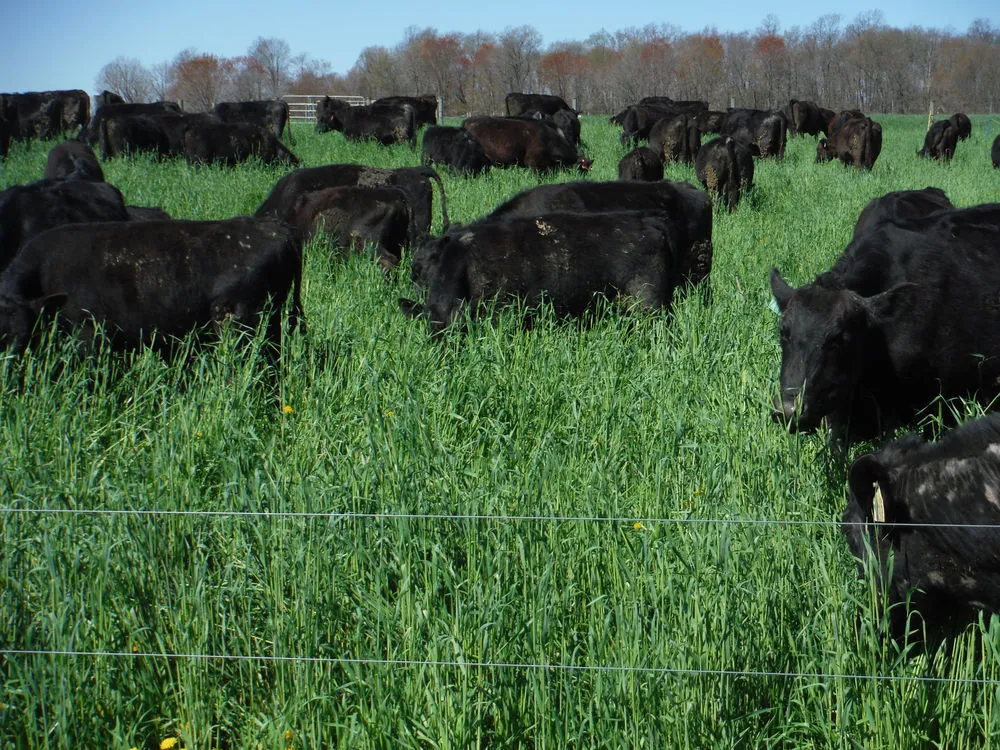
Reviving these pastures has many uses. They can grow new forests, crops and support cattle farming. In cattle farming, better pastures mean faster growth of quality grass.
This allows more cattle to graze. As a result, cattle get fat faster and produce more meat per hectare. This means more meat without cutting down more forests.
This pasture plan will be a major topic at Brazil’s section at COP28. The government, groups from society, and businesses will run 120 talks there.
This land revival is part of Brazil’s bigger plan for environmental change. The government sees this as a key project to show the world.
More: Brazil news in English, every day from The Rio Times.
This article was produced by The Rio Times’ automated newsroom system. How we use AI · Report an error
Read More from The Rio Times