IBOV 186,299.96 ▼ 0.16% IPSA 11,426.61 ▲ 0.61% IPC MEX 63,536.96 ▲ 0.25% MERVAL 2,998,979 — 0.00% COLCAP 2,580.80 ▲ 0.59% BVL PERÚ 59,529.36 ▲ 1.61% USD/BRL5.10▼ 0.14% USD/MXN17.28▲ 0.37% USD/CLP946.38▼ 0.30% USD/COP3,200▲ 0.77% USD/PEN3.37▼ 0.14% USD/ARS1,514▼ 0.02% USD/UYU40.06▲ 2.88% USD/PYG5,918▲ 3.14% USD/BOB11.85▲ 25.24% USD/DOP59.17▲ 3.53% USD/CRC445.27▲ 2.84% USD/GTQ7.63▲ 3.24% USD/HNL26.86▲ 3.32% USD/NIO36.62▲ 2.80% USD/VES850.29▼ 0.13% USD/PAB1.00— 0.00% USD/BZD2.00— 0.00% USD/JMD 157.28 — 0.00% USD/TTD6.74▲ 2.48% EUR/BRL5.84▼ 0.96% BRENT 88.88 ▼ 0.03% WTI 83.11 ▼ 0.11% IRON ORE 161.91 — — COPPER 6.61 ▲ 0.03% GOLD 4,461 ▲ 1.78% SILVER 65.59 ▲ 1.26% SOY 1,184 ▲ 3.20% CORN 480.50 ▲ 10.02% WHEAT 655.00 ▲ 3.93% COFFEE 317.25 ▼ 5.51% SUGAR 16.43 ▼ 1.79% ORANGE JUICE 138.55 ▼ 0.47% COTTON 85.03 ▲ 2.33% COCOA 5,719 ▲ 3.18% BEEF 223.60 ▼ 3.93% CATTLE 339.10 ▼ 3.16% LITHIUM 75.20 ▲ 1.47% PETR4 41.64 ▼ 0.05% VALE3 72.97 ▲ 0.83% ITUB4 38.60 ▼ 1.03% BBDC4 16.85 ▲ 0.36% ABEV3 14.89 ▼ 0.80% BBAS3 19.37 ▲ 0.47% B3SA3 14.26 ▼ 0.21% WEGE3 47.59 ▲ 0.49% PRIO3 59.14 ▼ 0.19% SUZB3 41.33 ▲ 2.35% RENT3 34.68 ▼ 0.09% AZZA3 15.89 ▼ 2.63% CSAN3 3.22 ▼ 1.83% RAIZ4 0.25 — 0.00% PCAR3 2.75 ▼ 0.36% GMAT3 3.65 ▼ 1.08% PSSA3 48.13 ▼ 0.54% CVCB3 1.33 ▼ 2.92% POSI3 3.36 ▲ 2.44% SLCE3 13.34 ▲ 0.30% NATU3 8.14 ▼ 0.73% IBOV 186,299.96 ▼ 0.16% IPSA 11,426.61 ▲ 0.61% IPC MEX 63,536.96 ▲ 0.25% MERVAL 2,998,979 — 0.00% COLCAP 2,580.80 ▲ 0.59% BVL PERÚ 59,529.36 ▲ 1.61% USD/BRL 5.16 ▲ 0.01% USD/MXN 17.06 ▼ 0.24% USD/CLP 913.98 ▲ 0.04% USD/COP 3,140 ▲ 0.03% USD/PEN 3.36 ▼ 0.66% USD/ARS 1,493 ▲ 0.10% USD/UYU 40.27 ▲ 1.24% USD/PYG 5,939 ▲ 1.68% USD/BOB 11.64 ▼ 0.76% USD/DOP 58.34 ▲ 1.25% USD/CRC 445.92 ▲ 0.89% USD/GTQ 7.62 ▲ 2.21% USD/HNL 26.79 ▲ 1.57% USD/NIO 36.62 ▲ 0.69% USD/VES 762.44 ▼ 0.13% USD/PAB 1.00 — 0.00% USD/BZD 2.00 — 0.00% USD/JMD 157.28 — 0.00% USD/TTD 6.70 ▲ 0.61% EUR/BRL 5.95 ▲ 1.01% BRENT 88.88 ▼ 0.03% WTI 83.11 ▼ 0.11% IRON ORE 161.91 — — COPPER 6.61 ▲ 0.03% GOLD 4,461 ▲ 1.78% SILVER 65.59 ▲ 1.26% SOY 1,184 ▲ 3.20% CORN 480.50 ▲ 10.02% WHEAT 655.00 ▲ 3.93% COFFEE 317.25 ▼ 5.51% SUGAR 16.43 ▼ 1.79% ORANGE JUICE 138.55 ▼ 0.47% COTTON 85.03 ▲ 2.33% COCOA 5,719 ▲ 3.18% BEEF 223.60 ▼ 3.93% CATTLE 339.10 ▼ 3.16% LITHIUM 75.20 ▲ 1.47% PETR4 41.64 ▼ 0.05% VALE3 72.97 ▲ 0.83% ITUB4 38.60 ▼ 1.03% BBDC4 16.85 ▲ 0.36% ABEV3 14.89 ▼ 0.80% BBAS3 19.37 ▲ 0.47% B3SA3 14.26 ▼ 0.21% WEGE3 47.59 ▲ 0.49% PRIO3 59.14 ▼ 0.19% SUZB3 41.33 ▲ 2.35% RENT3 34.68 ▼ 0.09% AZZA3 15.89 ▼ 2.63% CSAN3 3.22 ▼ 1.83% RAIZ4 0.25 — 0.00% PCAR3 2.75 ▼ 0.36% GMAT3 3.65 ▼ 1.08% PSSA3 48.13 ▼ 0.54% CVCB3 1.33 ▼ 2.92% POSI3 3.36 ▲ 2.44% SLCE3 13.34 ▲ 0.30% NATU3 8.14 ▼ 0.73%
since 2009
Tuesday, September 22, 2026

Brazil: The Oil Exporting Giant That Needs to Import Fuel

By · May 26, 2024 · 2 min read

The LatAm Brief

One email, every weekday morning. What moved in Latin American markets, politics and expat life.

Yesterday’s subject line: “68 strikes, 223 people. A UN expert says murder.”

Free. We send a confirmation link first — nothing arrives until you click it. Unsubscribe with one click in any edition. If you stop opening us for 30 days we stop sending by ourselves, as we assume the interest is no longer there. See our privacy policy. We never share your email.

(Background) In 2006, Petrobras announced Brazil’s oil self-sufficiency, noting that the country produced as much oil as it consumed.

Since then, production has surged. By 2023, Brazil extracted 3.4 million barrels of oil daily.

However, the nation’s refining capacity lags at just 2.3 million barrels per day (bpd).

This surplus oil goes abroad. In 2023, Brazil exported 1.6 million barrels per day. This is 19% more than in 2022.

To put it in perspective, this is half of the United Arab Emirates’ exports. Out of the 23 OPEC+ members, nine export less than 1.6 million bpd.

Despite being a top oil exporter, Brazil faces a paradox. It also imports large amounts of fuel.
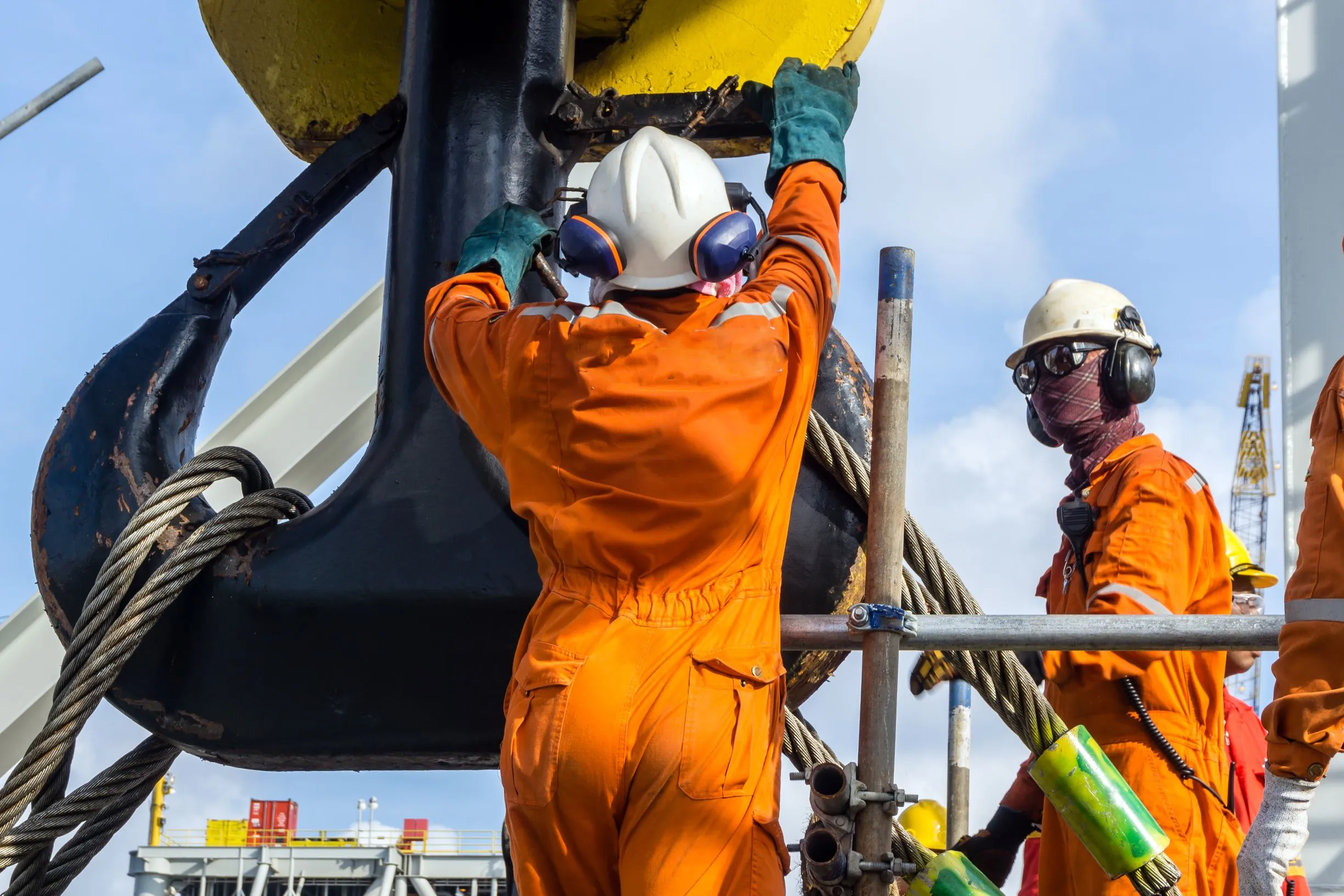
Brazil: The Oil Exporting Giant That Needs to Import Fuel.
One-stop reference
Company Intelligence
Every listed company in Latin America — financials, ownership and structure for 1,450+ companies across 26 exchanges, in one place.
Browse the directory →
RT
Ask Rio Times
Latin American markets, currencies and companies.
Open the full Ask Rio Times →

In 2023, Brazil imported 14.7 billion liters of diesel. Of every ten truck trips, 2.2 used imported diesel. The country imported 22.4% of its diesel consumption.

One in ten truck trips burned exclusively Russian diesel, cheaper due to commercial embargoes.

Russia supplied half of Brazil’s imported diesel. The United States provided 25%. For gasoline, of every R$300 spent on fuel, R$37 went towards imports.

In 2023, Brazil consumed 33.3 billion liters of gasoline, excluding the 27.5% ethanol mix. Of this, 4.2 billion liters were imported, making up 12.5%.

The problem lies in Brazil’s refining capacity not matching its oil production growth.

Normally, this would attract private investment to increase refining capacity.

However, until 2019, Petrobras controlled 98% of Brazil’s refining. Competing against this giant was daunting for new players.

Brazil: The Oil Exporting Giant That Needs to Import Fuel

In 2019, under Bolsonaro, the antitrust agency Cade ordered Petrobras to sell eight of its 13 refineries.

This move aimed to reduce Petrobras’s dominance and create a competitive market. The goal was for the market to balance refining capacity with oil production.

The plan did not fully succeed. Only three refineries were sold. Petrobras’s monopoly reduced to 78%.

However, it still controls 1.8 million bpd of refining capacity. This level of control stifles competition.

Companies that bought refineries find themselves dependent on Petrobras. It controls most fuel production.

This dependency sets profit margins by the state. True competition remains limited. Petrobras still dominates the market.

On May 22, Cade confirmed this situation. Petrobras no longer needs to sell the remaining five refineries.

It will maintain its 78% market share. This share could increase if it buys back any sold refineries.

This decision ends reliance on the market to solve refining issues. Control returns to the state. The state created the problem.

This situation highlights the complexity and challenges in balancing oil production and refining capacity in Brazil.

This article was produced by The Rio Times’ automated newsroom system. How we use AI · Report an error

Read More from The Rio Times

The Rio Times · Power Map
See who really holds power in Latin America
Click to open the Power Map

Rotate for Best Experience

This report is optimized for landscape viewing. Rotate your phone for the full experience.