Brazil Senate Fires Off Spending Bills That Rattle Markets and Lula
Brazil · Markets
Key Facts
—The surge. Senators advanced a cluster of costly spending bills in a single week.
—The scale. One package is estimated at about R$386 billion ($75bn).
—The label. The government calls them “pauta-bomba,” budget bombs that blow holes in public finances.
—The rift. The clash deepens a feud between President Lula and Senate leader Davi Alcolumbre.
—The legal doubt. Critics warn one measure may be struck down as unconstitutional.
—Market read. The same week, Bank of America cut Brazil to neutral, citing high rates for longer.
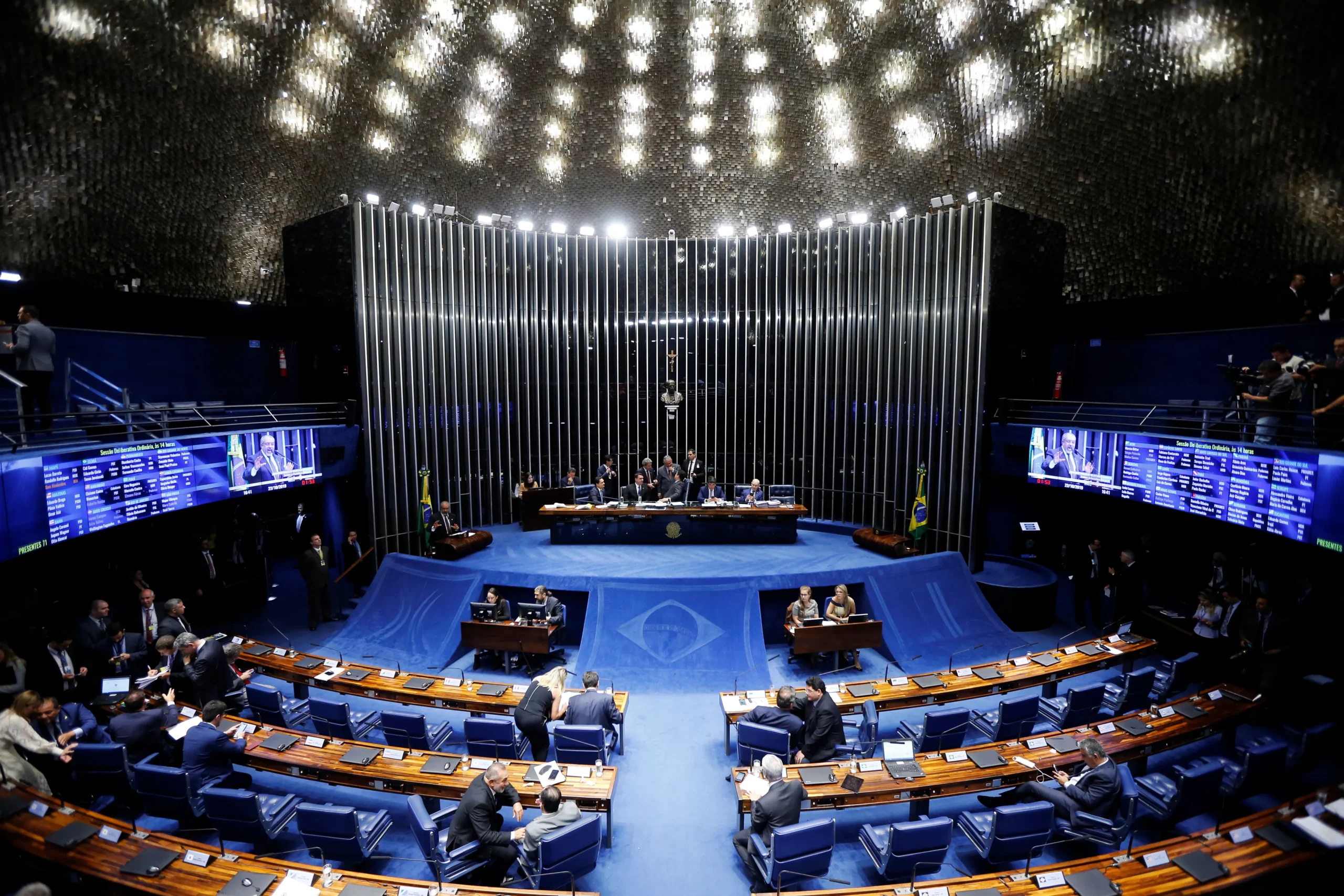
The Brazil Senate unleashed a wave of costly spending bills this week, worth hundreds of billions of reais, unsettling investors and straining President Lula’s government in a clash that lays bare a widening rift at the top of Brazilian politics.
What the Brazil Senate just did
In a single, busy week, Brazilian senators pushed forward a string of bills that would commit the government to large new spending. They include a sweeping package estimated at around R$386 billion ($75bn), a renegotiation of farmers’ debts, a proposed minimum salary floor of R$13,662 for a 20-hour weekly workload for doctors and dentists, and a constitutional amendment granting special retirement terms to community health workers, carrying a price tag near R$99 billion ($19.2bn). Taken together, they represent a sudden burst of fiscal generosity from the legislature at a delicate moment for the country’s accounts.
In Brazilian political shorthand, measures like these are called “pauta-bomba,” which translates roughly as agenda bombs or budget bombs. The term describes bills that are politically popular but blow holes in the public finances, forcing the government either to find money it does not have or to break its own spending rules. The government of President Luiz Inácio Lula da Silva has used exactly that language to describe this week’s votes, though our reporting has shown that Lula himself has historically downplayed fiscal concerns and prioritized social spending, a stance that has repeatedly rattled investors.
A feud beneath the fiscal fight
The spending push is not happening in a vacuum. Beneath it runs a personal and political falling-out between Lula and Davi Alcolumbre, the president of the Senate, whose decisions on what reaches a vote and when can make or break the government’s agenda. When the leader of the upper house allows a run of expensive bills to advance against the wishes of the executive, it is read in Brasília as a show of force, a signal that the legislature is willing to set its own course. The result is that ordinary budget questions become tests of strength between two of the most powerful figures in the country.
There is a legal dimension too. Critics, including voices within the government, argue that at least one of the measures may be unconstitutional and could be challenged before the Supreme Federal Court, the country’s highest tribunal. That adds a layer of uncertainty, because even a bill that passes both houses can be suspended or struck down later, leaving its costs and its political fallout hanging unresolved. For a government trying to convince investors it has the public finances under control, the prospect of a drawn-out court fight over spending is far from helpful.
Why markets are paying attention
For foreign investors, the reason to watch is that Brazil’s whole investment case rests on the credibility of its fiscal rules. The country runs high interest rates to keep inflation in check, and its central bank has kept borrowing costs elevated. If the legislature keeps adding spending that the budget cannot absorb, it raises the risk that those rates stay higher for longer and that the currency comes under pressure, both of which feed directly into how global funds price Brazilian assets. The timing made the point vividly: in the same week, Bank of America cut its stance on Brazil to neutral, pointing to the likelihood that the benchmark Selic rate stays high well into the future.
The deeper backdrop is that 2026 is an election year, the season when lawmakers are most tempted to approve popular measures regardless of cost. That makes every spending bill a signal about how disciplined, or undisciplined, Brazil’s politics will be as the campaign heats up. None of these measures is final; several must clear further votes and could be changed or blocked along the way. But the message investors took from the week is that the fight over Brazil’s public purse is intensifying, and that the government’s grip on the spending agenda is looser than it would like the world to believe.
What is a “pauta-bomba”?
It is Brazilian political shorthand for a popular bill that damages the public finances, forcing the government to find money it lacks or to break its own spending rules.
Why does this strain the Lula government?
The bills add large costs the government says it cannot afford, undercutting its push to look fiscally disciplined, and they deepen a feud between Lula and Senate president Davi Alcolumbre.
How did markets react?
In the same week, Bank of America cut its stance on Brazil to neutral, citing the likelihood that high interest rates persist, a sign of how closely investors track the country’s fiscal signals.
Connected Coverage
Brazil Senate Slows Bill to End the Six-Day Work Week
Brazil Election Polls 2026: Lula vs Tarcisio Poll Tracker
This article was drafted with automated assistance and reviewed before publication. How we use AI · Report an error · Editorial responsibility: Matthias Camenzind, Editor-in-Chief