Brazilian army wants parallel count with QR code and test, electoral high court rejects
As part of the proposal to monitor the electoral process, technicians of the Armed Forces have decided to invest in a project to verify the counting of votes by the Superior Electoral Court (TSE) in real-time.
The measure, unprecedented in the history of Brazilian democracy, consists of sending military personnel to polling stations throughout the country to take photos of the QR code on the ballots and send them to the Armed Forces Cyber Defense Command in Brasilia, which will count the votes in parallel.
Military officials familiar with the matter told Folha that the conference would initially be conducted with 385 ballots – a sample that technicians believe guarantees 95% reliability.
The results of each ballot box will be compared with data sent to the TSE by the regional electoral tribunals (TREs).

Alexandre de Moraes, the president of the TSE, is said to have agreed in a meeting on Aug. 31 with military officials to share the raw census data transmitted by the regional courts with the control bodies.
Moraes’ concession would give the military real-time access to the data transmitted for the count, rather than having to retrieve the information from the TSE database available on the Internet.
The vote-counting conference is one of the phases of oversight of the electoral process established by the TSE.
In a ruling, the court apparently allowed transmitting images of the ballots after the vote count is completed.
To avoid delays and get the job done in real-time, military personnel on duty during vote casting and counting should be required to take photos of the ballots and send them to the Cyber Defense Command.
Military personnel interviewed by Folha expect that the night the results are announced, the armed forces’ analysis will also be completed.
The involvement of the military in monitoring the electoral process was proposed by President Jair Bolsonaro (PL) to ensure that no tampering is possible with electronic ballot boxes.
For two weeks, 18 military technicians analyzed portions of the ballot box source code and took pen and paper notes on four systems used in the elections.
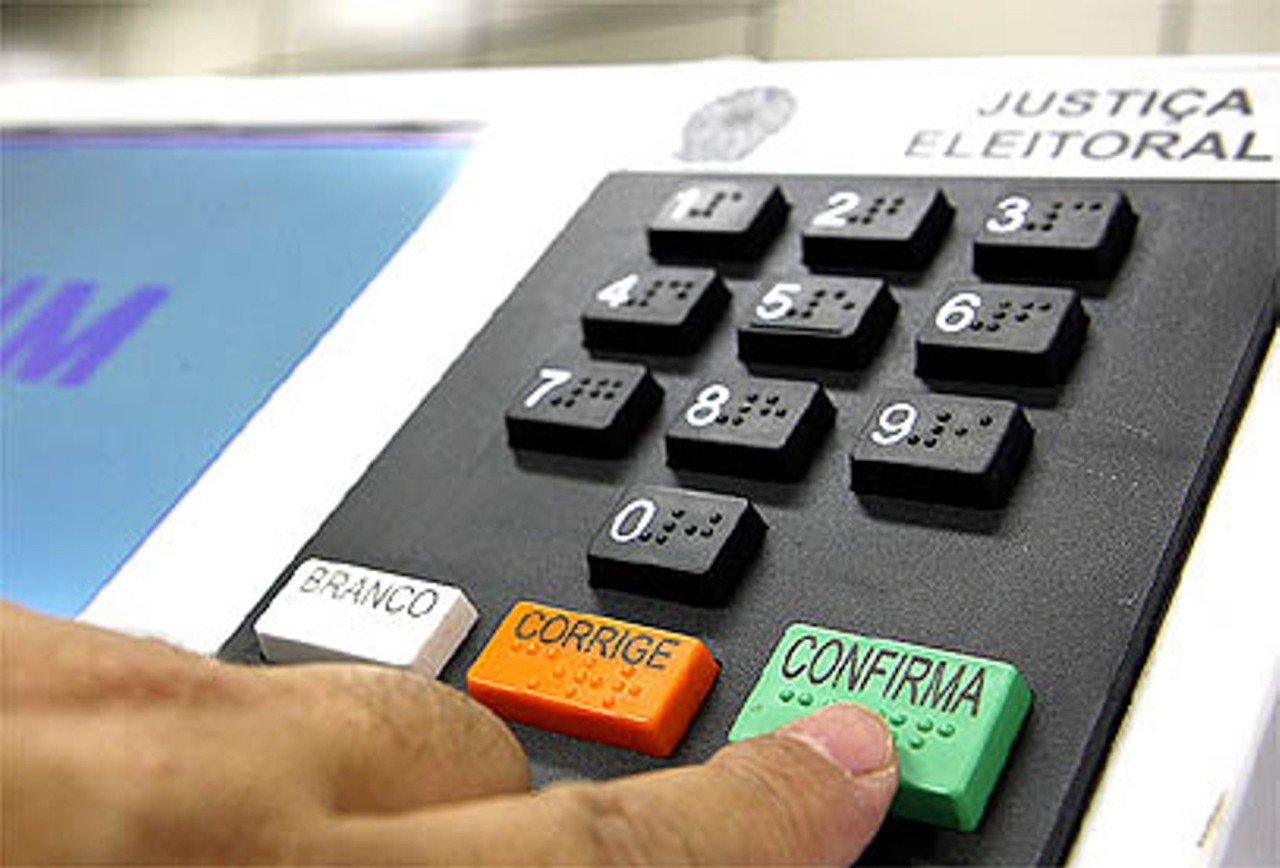
Now the military is ready to travel to some states to analyze the codes entered into the electronic ballot boxes.
It is not specified how the military will check many ballot boxes.
The analysis is taking place even though the TSE already provides safeguards against changes in the systems of the electoral process.
According to the court, any change in the code after the ballot box is sealed will lock the electronic ballot boxes and prevent voter registration.
The measures to monitor the electoral process come amid a truce between the defense minister and Moraes.
The military’s relationship with Moraes’ predecessor, Edson Fachin, was strained.
While the defense minister tried to facilitate a meeting between technicians from the armed forces and the TSE, Fachin avoided meetings outside the CTE (Commission for Electoral Transparency) because he did not want to privilege any oversight body to the detriment of others.
With Moraes, however, the situation changed, they say.
The court’s president received Paulo Sérgio twice; the second time, at the end of August, he promoted the meeting between the experts requested by the Ministry of Defense.
The generals interviewed by Folha feared that Bolsonaro would use the Sept. 7 stages to launch renewed attacks on electronic ballot boxes and Moraes, one of the president’s main enemies.
In practice, the military believed in a possible breach of the truce since Moraes withdrew from the agreement to conduct the new integrity test before the first round.
SUPERIOR ELECTORAL COURT DENIES
In response to the article at Folha, The Superior Electoral Court (TSE) said Monday (12) that the armed forces would not have “differential access” to the data for the 2022 election.
In a statement, the court denied that the military or any other oversight agency would conduct a parallel count.
More: Brazil news in English, every day from The Rio Times.
This article was produced by The Rio Times’ automated newsroom system. How we use AI · Report an error · Editorial responsibility: Matthias Camenzind, Editor-in-Chief