Brazil: Mato Grosso state starts harvesting the 2022/23 soybean crop
Farmers in Mato Grosso, the largest producing state in Brazil, have begun the first harvesting work for the 2022/23 soybean, in regions with earlier plantings such as the west, told Reuters yesterday (22), the IMEA (Instituto Mato-grossense of Agricultural Economics).
According to the superintendent of the institute linked to producers, Cleiton Gauer, the crops harvested still represent less than 1% of the area of 11.8 million hectares, “probably followed by the implantation of the second crop with cotton,” he said.
The expert did not detail whether the withdrawal of grains is anticipated in relation to 2021/23. “Producers started harvesting in these areas… (but) it’s quite difficult to say if it’s earlier than last year, because they are specific cases,” he said.
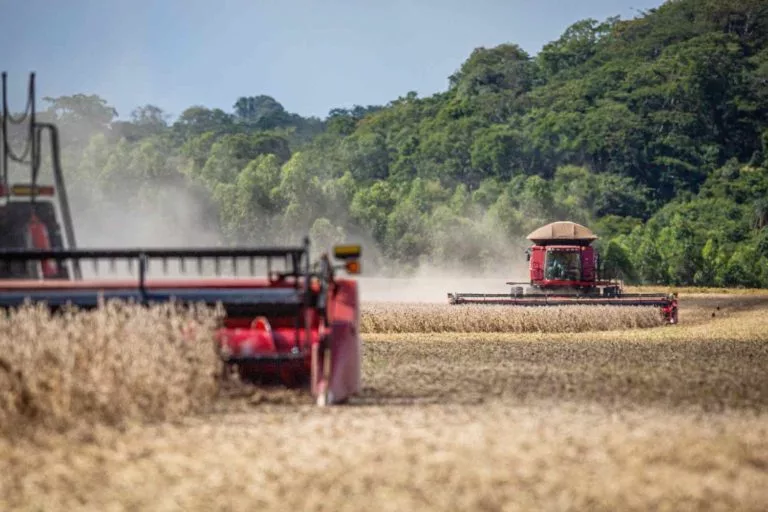
Amaggi, a group owned by former Minister of Agriculture Blairo Maggi, said in a statement that it began harvesting its 2022/23 soybean crop in Mato Grosso on Wednesday, at Fazenda Itamarati Norte, the company’s largest, located in Campo Novo do Parecis.
“The total planted area of soybeans in this season on all Amaggi farms is 170,661 hectares, including all agricultural units. And the forecast is to reach a production of 601,711 tonnes of grain”, said the company.
The Imea highlighted that it already expected that the work could start this week in the State and intensify in the next few days, between the Christmas and New Year’s holidays.
“The climate contributed to these areas being ready, harvesting early, with just over 95 days of cycle… and starting with the cultivation of the second crop right after.”
Climatempo meteorologist Nadiara Pereira warned, however, that heavy rains are happening in the western region of Mato Grosso, with the potential to impact both the cultural practices of developing crops and the harvest. “For the areas that are starting to harvest, the most critical period in terms of weather is now, until mid-December 27th,” she said.
An intense corridor of humidity is at work over the northern half of Brazil, Pereira said, bringing periods of heavy and persistent rain to the north and northeast of Mato Grosso, as well as to the west. “Areas further south in the state that have more regular rainfall,” she added.
Between the last days of December and the beginning of January, the forecast is also for significant volumes of rain, but in the form of showers, with periods of open weather during the day that tend to allow continuation of field work.
“January promises to be wetter than spring. In much of the central area, we had irregular rainfall in that period… this humidity can now guarantee good conditions for crops that are developing.”
GRAIN MARKET
Mato Grosso, in general, is the first Brazilian State to plant and harvest soybeans, whose production is estimated by the IMEA at a record 41.46 million tonnes this season, up 1.4% over the previous cycle.
Harvesting this time of year means there will also be soybeans available earlier to meet demand.
Experts heard by Reuters on Thursday believe that China, the largest global buyer of the oilseed, should end the year with historically low soybean meal stocks, which tends to increase dependence on imported soybeans in 2023, favoring exporters from Brazil.
The largest global producer and exporter of soybeans should ship a total of 93 million tonnes of soybeans in 2022/23, versus 77.5 million in the previous cycle, with China as the main buyer, according to data from Abiove (Brazilian Association of Industries of Vegetable Oils).
With information from Forbes
More: Brazil news in English, every day from The Rio Times.
Editorial responsibility: Matthias Camenzind, Editor-in-Chief · Editorial standards · Report an error