Brazil Lets a Judge Accused of Selling Verdicts Return to the Bench
Justice
Key Facts
—The decision. Brazil’s judicial council moved to let an appellate judge accused of sentence-selling return to work.
—The judge. He had been suspended since October 2024 in a federal probe of a Brazil judge sentence-selling ring.
—The secrecy. The council ruled in a closed session, with even the vote count withheld.
—The objection. Federal prosecutors had argued against letting him back on the bench.
—The context. Five appellate judges were suspended in the same probe in October 2024.
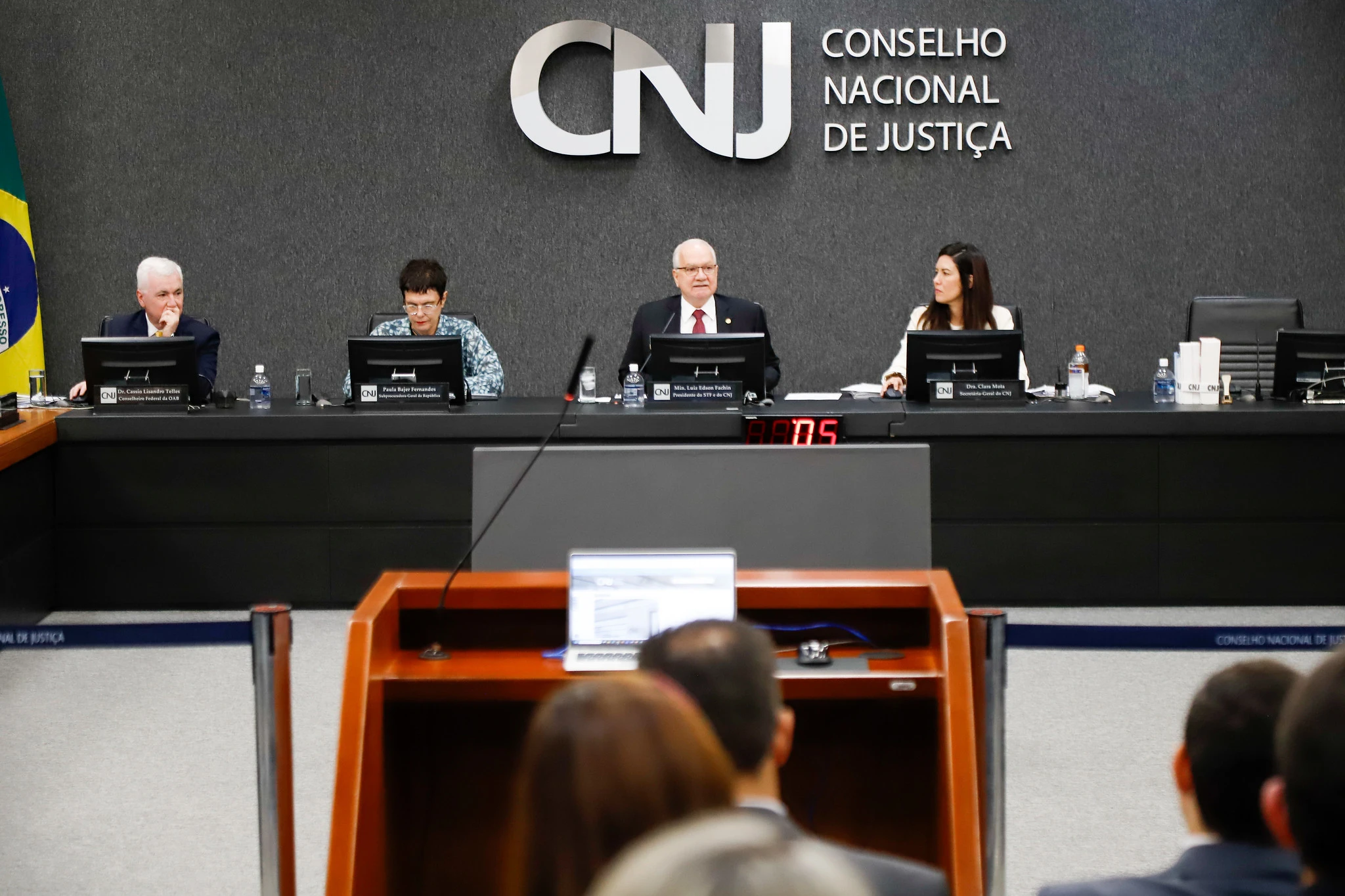
In a case that lays bare how Brazil polices its own courts, a Brazil judge sentence-selling suspect has been cleared to return to the bench, in a closed-door ruling that even hid the vote.
The National Council of Justice, the judiciary’s own watchdog, moved to lift the suspension of an appellate judge from Mato Grosso do Sul state. He had been off the bench since October 2024.
For a foreign reader, the case is a window. It shows how a body created to clean up the courts can end up shielding the very people it is meant to police.
Inside the Brazil judge sentence-selling case
The judge was one target of a sweeping federal police operation. It exposed a suspected scheme in which court decisions were allegedly traded for bribes.
The scope was striking. Five appellate judges from the same state court were suspended together in October 2024, accused of favouring lawyers and litigants in exchange for illicit gains.
The reporting judge on the council took a lenient view. He voted to extend the disciplinary case by another one hundred and forty days while returning the suspended judge to his post.
His logic was procedural. He argued that the main evidence had already been gathered, so keeping the judge sidelined was no longer needed to protect the investigation.
Why the Brazil judge sentence-selling ruling matters
The secrecy is the sharpest issue. The council judged the case behind closed doors, withholding not just the debate but even the tally of who voted which way.
Prosecutors were overruled. The federal prosecution service had argued against the return, yet most council members reportedly sided with the reporting judge.
The pattern is familiar. Critics note that cases against judges often drag on for years and unfold in secret, blunting the watchdog’s deterrent power.
It also collides with a reform push. The top court recently moved to let grave misconduct cost judges their jobs, rather than end in a comfortable paid retirement.
For an outside reader, the stakes are institutional. A judiciary with the final say over taxes, contracts and elections is also the one deciding how firmly to discipline itself.
The scandal has deep roots. The wider investigation traces back to messages found on the phone of a court lobbyist murdered in late 2023, which pointed to judges receiving favours.
Money is central to the file. Investigators have flagged property deals and asset moves that, they argue, do not match the incomes the magistrates declared to the tax office.
Delay is a recurring theme. Critics point to an earlier case in which a judge was punished only after proceedings dragged on for roughly five years.
The timing sharpens the contrast. Just as the top court pushes to make misconduct cost judges their careers, the watchdog is easing a suspension in one of its highest-profile graft cases.
Public trust is the quiet casualty. Brazil sits at its worst-ever showing on global corruption rankings, and cases handled out of public view do little to restore faith in the courts.
What is the Brazil judge sentence-selling case?
It stems from a federal police operation that exposed a suspected ring of appellate judges in Mato Grosso do Sul allegedly trading court decisions for bribes. Five judges were suspended in October 2024, and disciplinary proceedings continue.
Why is the judge returning to the bench?
The judicial council’s reporting member argued the key evidence had already been gathered, so a continued suspension was no longer needed to protect the investigation. He voted to extend the disciplinary case while lifting the suspension, over the objections of federal prosecutors.
Why is the ruling controversial?
The council decided in a closed session, withholding even the vote count, and overruled prosecutors who opposed the return. Critics say such secrecy and delay undermine the body’s ability to hold corrupt judges accountable.
Connected Coverage
Brazil Moves to Fire Corrupt Judges, Not Retire Them on Full Pay
More: Brazil news in English, every day from The Rio Times.
Frequently Asked Questions
What is the Brazil judge sentence-selling case about?
It is a federal police investigation into a suspected ring of appellate judges in Mato Grosso do Sul who allegedly traded court decisions for bribes. Five judges from the same state court were suspended in October 2024.
Why is the judge being allowed to return to work?
The reporting judge on the National Council of Justice argued that the main evidence had already been gathered, so keeping the judge sidelined was no longer needed to protect the investigation. He voted to extend the disciplinary case while lifting the suspension.
Why is the ruling controversial?
The council decided in a closed session, withholding even the vote count, and overruled federal prosecutors who had argued against the judge's return. Critics say such secrecy and delay undermine the watchdog's ability to hold corrupt judges accountable.
This article was produced by The Rio Times’ automated newsroom system. How we use AI · Report an error · Editorial responsibility: Matthias Camenzind, Editor-in-Chief