Brazil’s Hotel Bars See Sales Triple as the World Cup Plays On
Economy
Key Facts
—The surge. Some Accor bars in Brazil see revenue triple during the national team’s World Cup matches.
—The source. The figure comes from Olivier Hick, chief operating officer of Accor Brasil.
—The footprint. Accor runs more than 300 hotels in Brazil.
—The base. Food and drink already make up more than 21% of its Brazil revenue, over R$1.2bn ($216m).
—The twist. The tournament is being played in the United States, Canada and Mexico, not Brazil.
—The stake. A trip to watch the team in the States can easily top R$20,000 ($3,600) per person.
Brazil’s World Cup hotel bars are turning out to be an unlikely winner of a tournament being played thousands of miles away.
Brazil is not hosting this World Cup. Yet some of its hotels are cashing in as if it were.
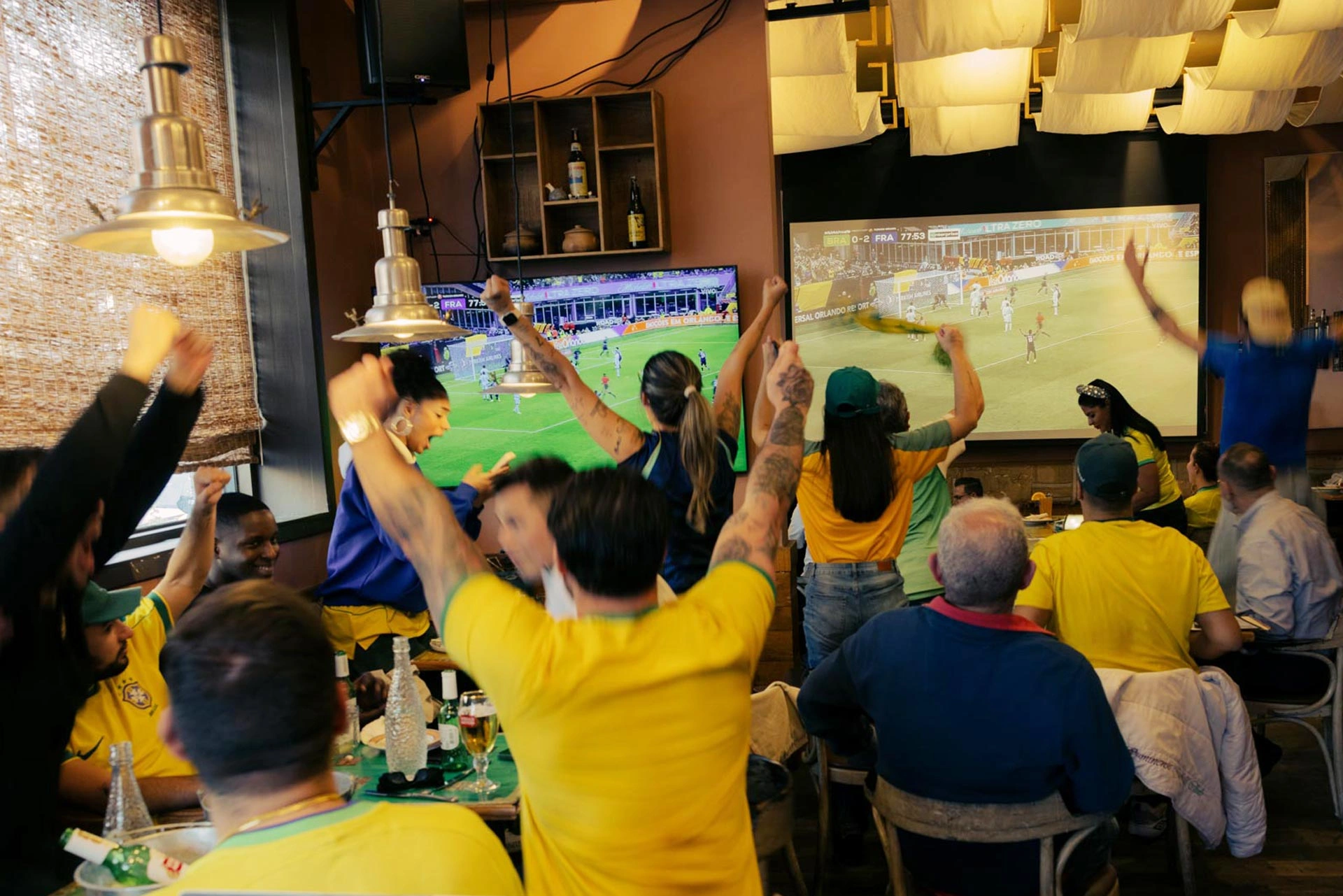
The trick is simple. Turn the lobby bar into a fan zone and let the whole neighbourhood come to watch.
What is happening at Brazil’s World Cup hotel bars
The clearest sign comes from Accor, the French hotel group. Its Brazil operations chief says some of the chain’s bars see their takings triple during the national team’s games.
That claim comes from Olivier Hick, chief operating officer of Accor Brasil as reported by the business daily Monitor Mercantil. Accor runs more than three hundred hotels across the country.
The base was already substantial. Food and drink make up more than a fifth of Accor’s revenue in Brazil, generating over one and a two-tenths billion reais, or about two hundred and sixteen million dollars.
To capture the moment, the chain has built viewing areas for fans. At the Ibis Morumbi in São Paulo it set up a dedicated space to watch the matches.
The idea is to draw more than just guests. By opening the screens to locals, the hotels turn a quiet weekday bar into a packed neighbourhood venue.
It also builds on a pattern from the last tournament. Accor said it expanded a set-up that had already worked well four years earlier.
Why a home boom during an away tournament
The oddity is that this World Cup is not in Brazil at all. It is being staged across the United States, Canada and Mexico.
That distance is precisely what drives the home spending. Travelling to follow the team is expensive, so most fans are watching from Brazil.
The numbers explain why. With the currency near five reais to the dollar, a full trip to cities like Dallas or New York can easily pass twenty thousand reais a person, about three thousand six hundred dollars.
So the crowd stays home and gathers where the screens and the cold drinks are. Hotel bars, sports pubs and restaurants become the stadiums by proxy.
The business of the game, minus the stadiums
This is the business-of-the-game story turned inside out. The usual host-city windfall of packed hotels and airports is landing in North America, not Brazil.
What Brazil gets instead is a consumption bump. The gains flow to food, drink and match-day entertainment rather than to room bookings from foreign visitors.
There is even a quieter opening for domestic tourism. Some hoteliers see a niche in Brazilians who want to escape the football crowds and travel while prices are soft.
And the upside grows with the team. The deeper the national side advances, the more games there are to watch, and the longer the bars stay full.
There is a flip side worth noting. The absence of Argentine tourists, usually a mainstay of Brazil’s beach hotels, thins out leisure travel while their own team is in contention.
What it signals for investors
For anyone watching Brazilian consumer names, the pattern is a useful tell. Big sporting events reliably lift beverage sales and out-of-home spending, even when the event is abroad.
The read-through reaches beyond hotels. Brewers, delivery apps and restaurant chains all tend to ride the same match-day wave that is filling those lobby bars.
The caveat is that the boost is short and lumpy. It clusters around game days and fades the moment the team’s run ends, so it flatters a quarter without changing the year.
Still, the episode is a neat reminder of how football moves money. A tournament on another continent can quietly ring tills in a São Paulo hotel lobby.
Are World Cup hotel bars really tripling sales?
Accor’s Brazil operations chief says some of the chain’s bars see revenue triple during the national team’s matches. It refers to bar and food-and-drink takings on game days, not overall hotel revenue.
Why is Brazil not hosting?
The 2026 World Cup is being staged across the United States, Canada and Mexico. That is why the spending shows up at home in bars and restaurants rather than in hotel bookings from foreign fans.
How expensive is it to follow the team?
With the currency near five reais to the dollar, a full trip to a host city can easily top twenty thousand reais a person, about three thousand six hundred dollars, keeping most fans watching from home.
Who else benefits?
Brewers, delivery apps and restaurant chains all tend to gain from the same match-day spending, though the boost clusters around game days and fades when the team’s run ends.
Connected Coverage
Frequently Asked Questions
This article was produced by The Rio Times’ automated newsroom system. How we use AI · Report an error · Editorial responsibility: Matthias Camenzind, Editor-in-Chief