U.S. Terror Label on Brazil Gangs Forces Companies to Vet Partners
BRAZIL · BUSINESS
Key Facts
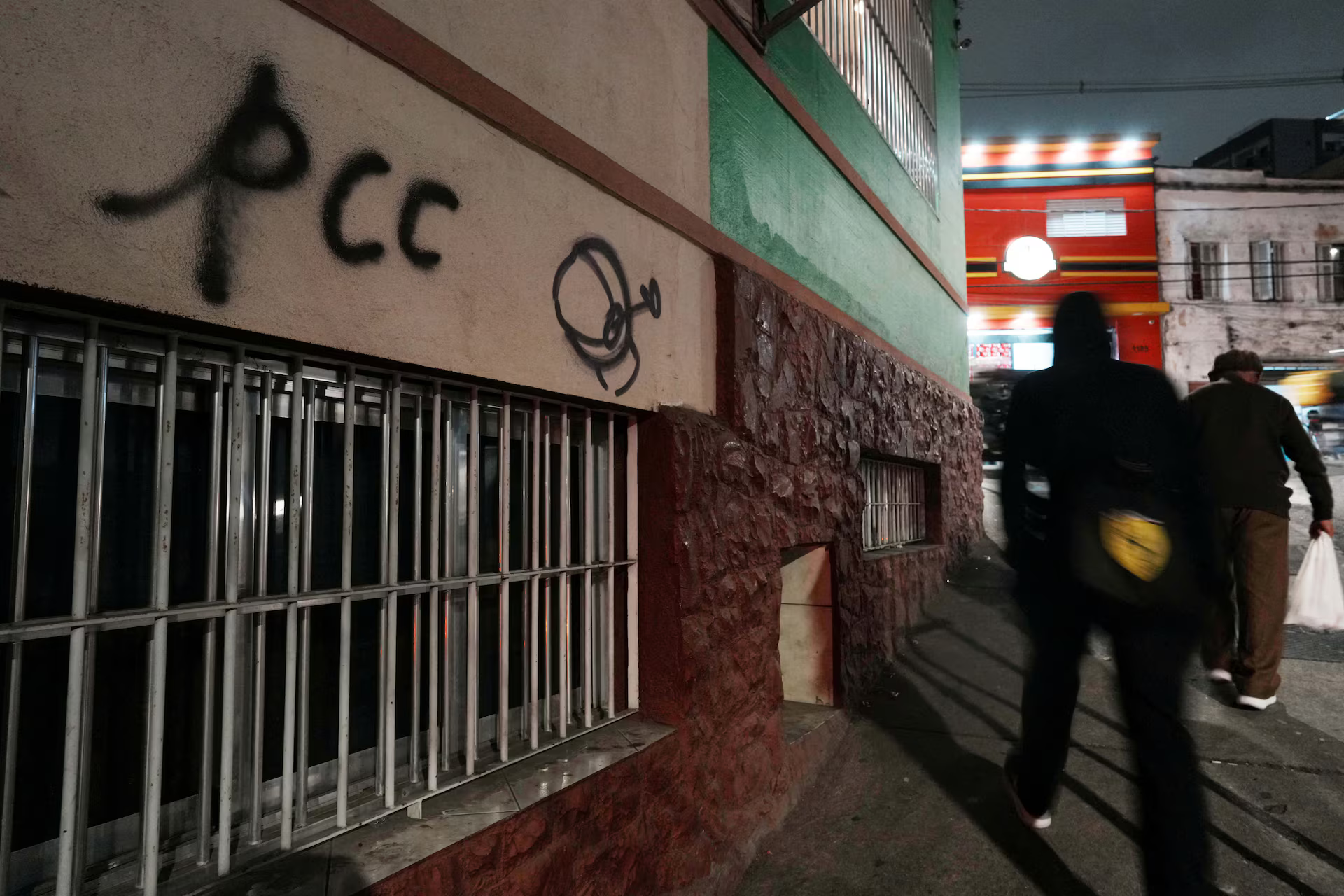
—The trigger. The US named Brazil’s two largest criminal groups, the PCC and Comando Vermelho, as foreign terrorist organizations, effective June 5.
—The corporate fallout. Law firms are advising companies with Brazil exposure to overhaul due diligence, sanctions screening and contract clauses.
—Where it bites. Mergers, financing and supplier deals must now weigh whether any indirect link to a designated group could taint a transaction.
—The legal hook. A US nexus can expose firms to sanctions and asset-freeze risk, even for relationships that are indirect.
—The politics. Brazil’s government opposes the label, arguing organized crime is a domestic matter, not terrorism.
—The scale. The PCC alone is estimated to generate billions of reais a year and operate in dozens of countries.
A US terror designation of Brazil’s largest criminal groups is rippling into boardrooms, forcing companies with Brazilian exposure to tighten due diligence and screen partners for hidden criminal ties or risk sanctions, lawyers warn.
What the terror designation changes
On May 28 the US State Department named the Primeiro Comando da Capital and the Comando Vermelho as Specially Designated Global Terrorists, and said it would treat them as foreign terrorist organizations from June 5. The two are among Brazil’s largest criminal networks.
The label was designed for ideological groups, but Washington has increasingly aimed it at transnational crime. That shift is what turns a Brazilian public-security issue into a global compliance problem.
For companies, the key point is that the main exposure is not to the gangs themselves. It is to any business that turns out to have an indirect link to their economic orbit.
That is a wider net than it sounds. Organized crime in Brazil has long laundered money through legitimate sectors, from fuel distribution and logistics to construction and retail, so a clean-looking counterparty can still carry hidden risk.
Under US law, a foreign terrorist designation triggers automatic financial sanctions and asset-freeze powers. It also creates the possibility of secondary liability for those who knowingly deal with a listed group.
Why compliance teams are scrambling
Major law firms advising on Brazil have issued near-identical guidance in recent days. They urge clients to reassess compliance programs, supply-chain monitoring, sanctions screening and third-party due diligence at once.
The practical checklist is detailed. It includes real-time screening of counterparties and beneficial owners against US sanctions lists, stronger know-your-customer checks, and a review of whether a firm’s structure creates any US nexus.
Contracts are in focus too. Lawyers advise updating compliance clauses and termination rights so a company can exit cleanly if a partner is later found to be tainted.
Training is the other prong. Procurement, finance, logistics and legal teams are being coached to spot red flags such as opaque intermediaries, unusual payments or resistance to identifying partners.
Lawyers also point to Brazil’s own anti-corruption law, which already holds companies responsible for acts by third parties they benefit from. The terror designation layers a second, US-driven exposure on top of that domestic duty.
The dealmaking angle
The sharpest impact is in mergers, financing and strategic partnerships. Risk advisers say diligence on deals now has to test whether any criminal-nexus finding could affect a target’s valuation, the structure of a transaction, or even its viability.
A finding late in a deal can be costly. Discovering a tainted supplier or shareholder after signing can force renegotiation, trigger walk-away clauses or leave a buyer holding a liability it did not price in.
That raises the cost and lengthens the timeline of doing deals in Brazil. Buyers may demand deeper warranties, and some transactions could be reshaped or dropped if exposure looks too hard to clean.
Banks and payment firms face the same pressure on the financial side. The designation reaches indirect relationships, interposed corporate structures and hidden beneficial owners, the very things hardest to see.
Some advisers frame this as a permanent shift rather than a one-off scramble. The expectation now extends to ongoing monitoring of partners, not just a single check at the start of a relationship.
A political and economic backdrop
Brazil’s government opposes the move. It argues the PCC and Comando Vermelho are profit-driven criminal groups and a domestic security matter, not terrorist organizations, and has warned the label could be a pretext for foreign action.
The scale of the problem is large. The PCC alone is estimated to generate billions of reais a year and to operate across dozens of countries, with deep reach into ports and logistics.
For foreign investors, the takeaway is that the cost of getting Brazil compliance wrong has risen sharply. What was a reputational risk is now a potential sanctions risk, and that changes the calculation.
It also arrives at a sensitive moment in relations between the two countries, with trade and tariff disputes already on the table. Compliance teams will be watching whether the designation becomes a lever in that wider negotiation.
For now, the immediate response is procedural rather than dramatic. Firms are quietly rewriting policies and re-screening their books, treating the designation as a new baseline rather than a passing scare.
More: Brazil news in English, every day from The Rio Times.
Frequently Asked Questions
What did the US designate, and when?
The State Department named the PCC and Comando Vermelho as Specially Designated Global Terrorists on May 28, treating them as foreign terrorist organizations from June 5. They are among Brazil’s largest criminal groups.
Why does it matter for companies?
The main exposure is not the gangs but firms with any indirect link to them. A US nexus can bring sanctions and asset-freeze risk, so lawyers urge tighter due diligence.
How does it affect mergers and financing?
Diligence must now test whether a criminal nexus could hit a target’s valuation, deal structure or viability. That raises costs and can reshape or kill transactions.
What is Brazil’s position?
The government opposes the label, calling the groups profit-driven criminal organizations and a domestic matter, not terrorism. It has warned the designation could justify foreign action.
Connected Coverage
For the build-up, see our reporting on Brazil’s effort to block the terror label, the comparison of the PCC to the Italian mafia, and the diplomatic stakes in our look at the Lula-Trump agenda on crime and trade.
This article was drafted with automated assistance and reviewed before publication. How we use AI · Report an error · Editorial responsibility: Matthias Camenzind, Editor-in-Chief