On February 1, 2024, Brazil announced a notable increase in its navigable waterways.
The country added 958 kilometers to its network, bringing the total to 20,100 kilometers.
This expansion reflects a 5% increase from 2020 and comes at a time when Brazil faces challenges with its limited cargo train infrastructure.
Given its large size, Brazil turns to its rivers as essential routes for moving goods and people.
However, the nation currently utilizes less than half of its 41,100 kilometers of potential waterways.
To address this, the government plans to establish the National Waterways Secretariat.
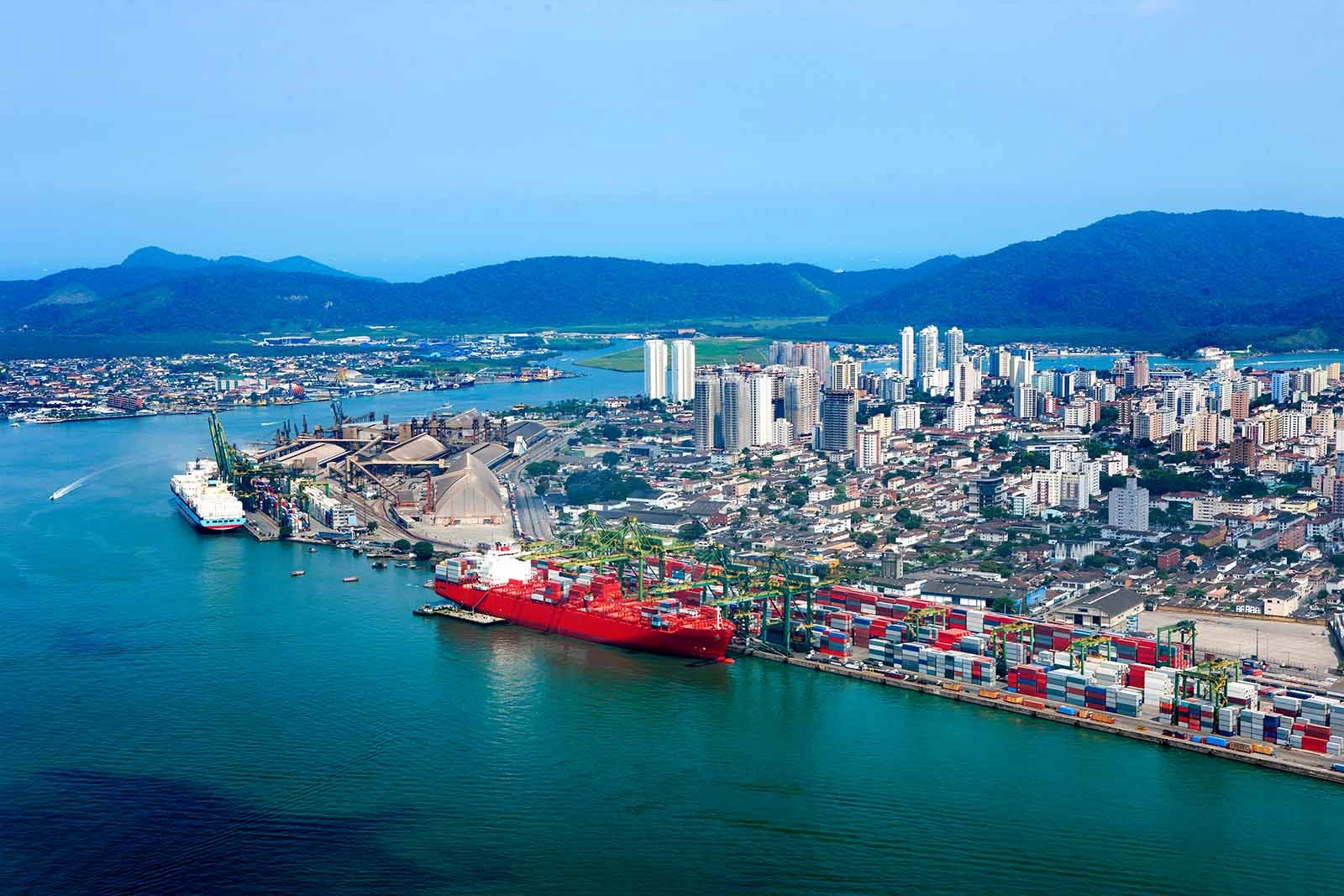
This initiative, part of a strategic plan revealed last October, aims to enhance water transport, improve competitiveness, and attract investments.
This move is crucial for Brazil. It provides a viable solution to its transport dilemmas, especially with the scarcity of rail options.
Such efforts are expected to boost connectivity and economic growth, underscoring Brazil’s dedication to maximizing its natural advantages.
Internationally, Brazil’s focus on waterways positions it distinctively.
Many countries depend on rail systems, which can be expensive to maintain and expand.
Brazil’s strategy, however, taps into its extensive river networks.
This not only caters to domestic needs but also enhances its trade connections within South America and beyond.
It presents a sustainable, cost-effective transport alternative, aligning with global trends towards efficient, eco-friendly solutions.
This approach sets Brazil apart, offering a model for countries with similar geographical and economic conditions.
It underscores the importance of innovative transport strategies in promoting economic development and regional cooperation, elevating Brazil’s role in the global trade arena.
This article was produced by The Rio Times’ automated newsroom system. How we use AI · Report an error · Editorial responsibility: Matthias Camenzind, Editor-in-Chief
Read More from The Rio Times