Brazil Approves Its First Local Rival to Ozempic

BRAZIL · ECONOMY
Key Facts
—The approval:. Brazil’s health regulator cleared Ozivy, the country’s first home-grown version of the drug behind Ozempic.
—The maker:. It is produced by EMS, one of Brazil’s largest pharmaceutical companies.
—Why now:. The move follows the March expiry of the patent on semaglutide, the active ingredient.
—The use:. Ozivy is approved to treat type-2 diabetes, not formally as a weight-loss drug.
—Latin American impact:. A step toward cheaper access to a blockbuster medicine in the region’s biggest market.
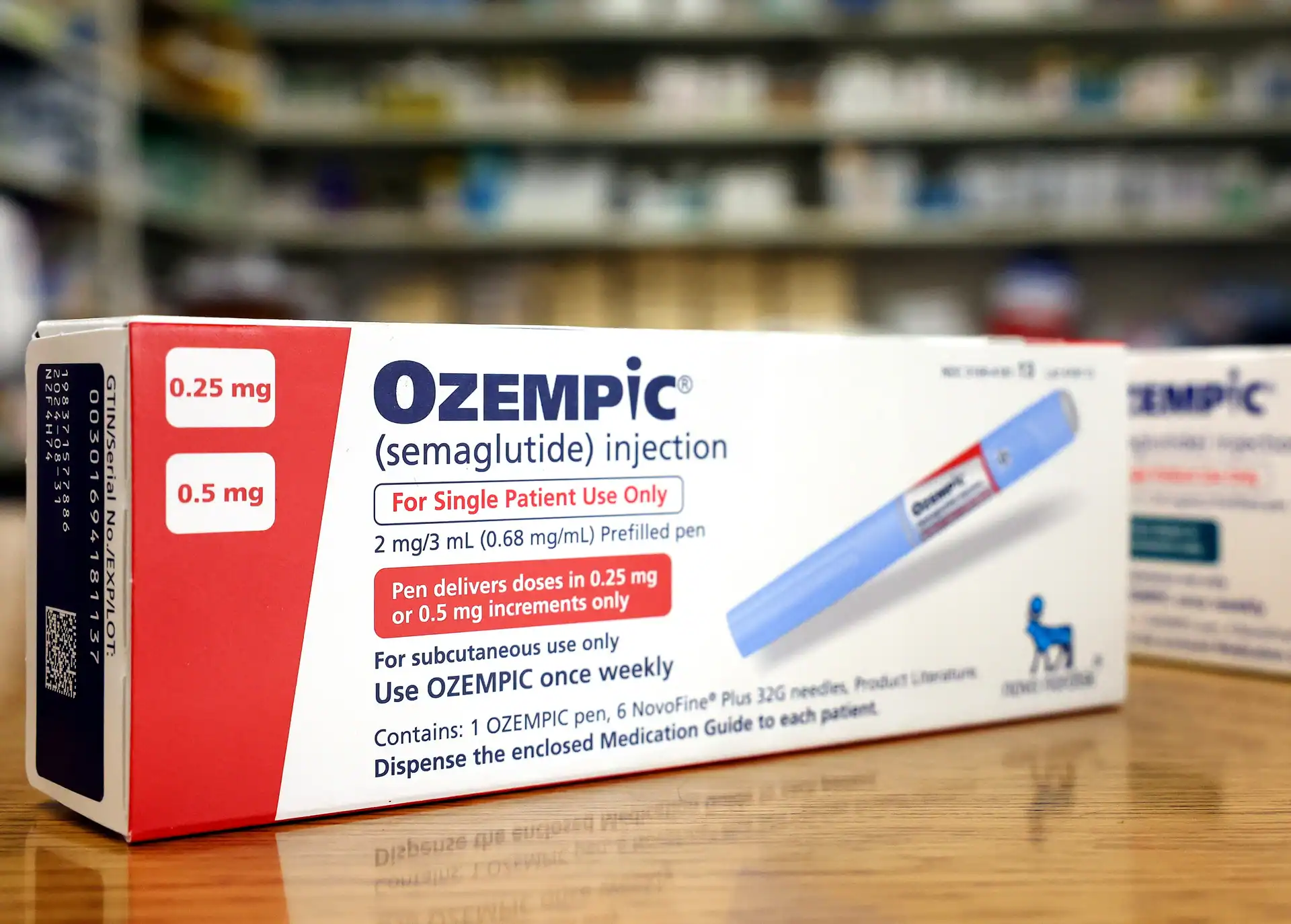
Brazil’s health regulator has approved the country’s first locally made rival to Ozempic, clearing a semaglutide pen from the drugmaker EMS, after the patent on the active ingredient expired.
What was approved
The regulator registered the medicine, called Ozivy, made by the Brazilian company EMS. It is the first national version of semaglutide, the active ingredient in Ozempic, to win approval for sale in the country.
Ozivy comes as an injectable solution in a prefilled pen, the familiar format of these treatments. The regulator approved it to treat adults with type-2 diabetes that is not well controlled, rather than formally for weight loss.
Technically, it is a synthetic version of a medicine that had only existed in a biologic form in Brazil. Because of that, regulators do not classify it as a simple generic, even though it shares the same active ingredient.
Why the timing matters
The approval was possible because the patent on semaglutide, held by the Danish maker of Ozempic, expired in Brazil in March. That opened the door for local firms to seek registration of their own versions.
EMS was the first to clear the bar, after a technical review of quality, safety and effectiveness. Earlier in the year, the regulator had rejected some applications over gaps in their documentation.
More competition is likely soon. The regulator has said several other versions of semaglutide remain under review, which over time could widen access and pressure prices.
A booming market for Ozempic-style drugs
Demand for semaglutide and similar drugs has surged worldwide, driven by their use for diabetes and weight loss. The treatments have become a major commercial category for the global pharmaceutical industry.
Brazil is one of the largest markets in the region, so a locally produced option carries weight. Cheaper, home-made supply could ease costs for patients and health systems over time.
The boom is also rippling through other industries, from food makers adding protein to products to suppliers of raw materials. How quickly prices fall will depend on how many rivals reach the market and at what cost.
Connected Coverage
The same boom is reshaping other industries, as we report in our coverage of a Brazilian meat giant’s bet on collagen. For more on the country’s economy, see our report on Brazil’s trade performance.
This article was produced by The Rio Times’ automated newsroom system. How we use AI · Report an error · Editorial responsibility: Matthias Camenzind, Editor-in-Chief
Frequently Asked Questions
What did Brazil approve?
Its health regulator cleared Ozivy, made by EMS, the first locally produced version of semaglutide, the active ingredient in Ozempic. It is approved for type-2 diabetes.
Is it the same as Ozempic?
It uses the same active ingredient, semaglutide, in a prefilled pen. But it is a synthetic version of a medicine that was previously only biologic, so it is not classified as a simple generic.
Why was approval possible now?
The patent on semaglutide expired in Brazil in March, allowing local companies to seek approval for their own versions. EMS was the first to clear the regulator’s review.
Will it make the drug cheaper?
Possibly, over time. More competition tends to pressure prices, and the regulator says several other versions are under review, though the pace and size of any price drop is uncertain.
Can it be used for weight loss?
Ozivy was approved specifically for type-2 diabetes, not formally for weight loss. Decisions about any other use rest with doctors and regulators.