Bolsonaro Releases Highest Amount of Parliamentary Budget Riders Since 2015
RIO DE JANEIRO, BRAZIL – At the center of the investigations that led to the seizure of money in the underpants of one of the government leaders, parliamentary budget riders, called amendment, set a record under Jair Bolsonaro‘s administration.
There were R$17.2 billion (US$3.4 billion) paid through mid-October, which now represent a 67 percent increase over the whole year of 2019. The figure is the highest since official records began to be compiled by the Senate in 2015 (and updated by inflation).
A target of interest to legislators, budget riders permit both deputies and senators to decide the fate of a percentage of total federal budget resources and thus direct money to their political strongholds.
In parallel, they reduce the Executive’s power over the Budget. Budget riders are divided into four groups, depending upon who controls them: individual legislators, state benches, committees, or the rapporteur of the budget bill.

In 2019 the released riders represented an average of five percent of the National Treasury’s discretionary (non-binding) expenses; but in 2020 this percentage has nearly tripled and represents fifteen percent of the optional expenses projected for the year.
The rate grows to 26 percent if the comparison is made with discretionary expenditures until September, the last available data.
The high volume of parliamentary budget riders released this year is mainly due to four factors.
The first was that in April the government exceptionally allowed legislators to reassign prior riders earmarked for other areas, to the fight against Covid-19, which ensured swift release of the funds given the need for emergency spending in the pandemic.
Second, in election years there is a consistent run for the release of riders in the first months of the year, to boost deputies’ political capital in their strongholds and escape the prohibition of voluntary transfer of federal resources in the three months preceding the election.
Third, there is a dynamic change in the relationship between Bolsonaro and Congress. The administration was first marked by an initial political fragility, when it tried to govern without dialogue with traditional political parties; however, from the moment it felt threatened with impeachment, it moved to an alliance with the so-called Centrão, the bloc of center and right-wing parties that now supports him in Congress.
Last but not least, Congress has been capitalizing on the political undermining of the past governments – Dilma Rousseff, Michel Temer, and Bolsonaro – by voting to increase the share of binding budget riders, that is, those of compulsory release by the Treasury.
Until 2015, the 594 federal legislators submitted their proposed riders to the federal budget, but the decision on whether or not to release the funds was up to the Executive, which resulted in a pressure game between the two parties – the Planalto Palace only released funds for the riders if it secured support for its agendas in Congress, and the legislators only voted with the government upon release of the funds.
In the year in which the political debacle that led to Dilma’s impeachment began, Congress (in an initiative initially led by then-Chamber president Eduardo Cunha) gradually began to render the execution of the amendments compulsory. First, individual riders, presented separately by each legislator, are currently at R$15.9 million per legislator. Then, the state bench amendments, decided upon by the congressional representatives of the 26 states and the Federal District, were also raised.
In 2019, Congress enlarged the slice of binding riders, by determining cumpulsory release of those proposed by standing committees and those made by the general rapporteur of the Budget. Bolsonaro vetoed the measure and Congress did not overrule the veto, but only after an informal agreement that, in practice, left deputies and senators with a larger slice of the federal pie.
As a result, the government itself has intensified negotiations with legislators over the past few years to raise funds for riders.
The Ministry of Justice, for instance, draws up an annual primer to suggest that legislators should set aside funds for actions ranging from the purchase of trucks to carry prisoners (R$160,000) to the implementation of a radio system for the police at the borders (R$9.6 million).
Sérgio Praça, professor at FGV (Getúlio Vargas Foundation), says that the scenario of binding riders, coupled with budget restrictions, creates the need for greater dialogue between the executive and the legislature. “The negotiation with Congress has always been important. But the more scarce the resources, the greater the importance of this”, he says.
The bargaining process can be conducted on both sides, since the Executive is not required to release funds from Chamber and Senate committee riders, in addition to those submitted by the general budget rapporteur.
The Ministry of Tourism alone has R$13.5 million in riders submitted this year by Congress committees for several actions in the country.
Ricardo Volpe, budget consultant for the Chamber of Deputies, says that the riders provide political power to deputies. Works with rider budget funds may not be felt in large cities, but they make a significant difference in small municipalities (over half of which have fewer than 50,000 inhabitants). “This is how they [legislators] manage to get reelected,” Volpe says.
According to Volpe, the current rules should be revised because they favor non-compliance with the principles of impersonality and equality by conferring an advantage on those already elected.
The increased power of federal legislators is one of the reasons pointed out by DIAP (Inter-Union Parliamentary Advisory Department) to explain the reduction in the number of federal deputies and senators who are running this year for mayor or city council around Brazil.
According to DIAP, the increased number of compulsory or binding riders made it more politically attractive to remain in Congress rather than running for city halls, most of which face significant cash flow shortages.
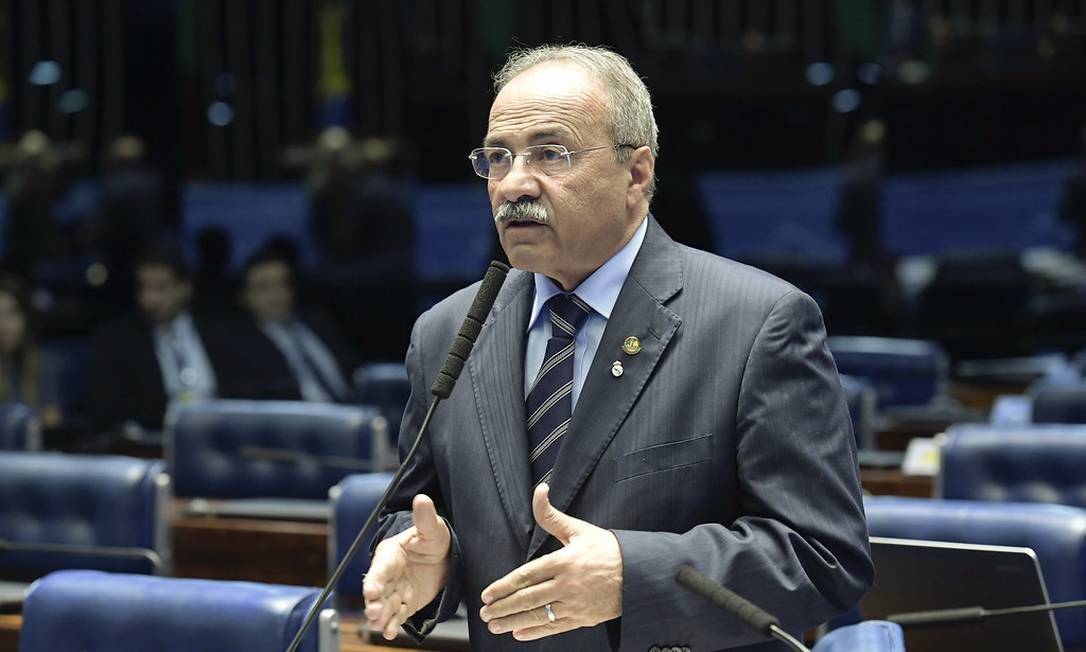
Budget riders have also been marked by corruption. In the most recent incident, this month the Federal Police seized cash inside Chico Rodrigues’ underpants; the Senator was then a vice-leader of the Bolsonaro government in the Senate. The suspicious amounts allegedly came from embezzlement of funds allocated to the senator’s individual budget riders submitted to fight Covid-19 in Roraima.
Parallel to the increased release of the parliamentary budget riders, there is an unresolved dispute between Chamber President Rodrigo Maia‘s group and the Centrão bloc for control of the Budget Committee and the Chamber itself, which will have elections in February for its leadership.
The Budget Committee, composed of deputies and senators, is in charge of discussing the government’s budget proposal and organizing the amendments to the text submitted by legislators.
The divergence prevented not only the establishment of the committee but also the passage of the Budget Guidelines Law, which should have been voted in the first semester of 2020 to serve as a baseline for consideration of the 2021 Budget.
Maia wants to appoint his party colleague Elmar Nascimento to head the Budget Committee. The Centrão, which has Arthur Lira as a pre-candidate for the presidency of the Chamber, to succeed Maia, is working to appoint deputy Flávia Arruda to the post.
Source: Folha de S.Paulo
More: Brazil news in English, every day from The Rio Times.
Editorial responsibility: Matthias Camenzind, Editor-in-Chief · Editorial standards · Report an error