Brazil’s Axia Energia Sells Power-Grid Stakes for $89 Million
Brazil · Energy
Key Facts
—Asset Sale Value Axia Energia sold its 49% minority stakes in four transmission companies to Gebbras for R$451.4 million (about US$89 million), concluding the deal on July 15, 2026.
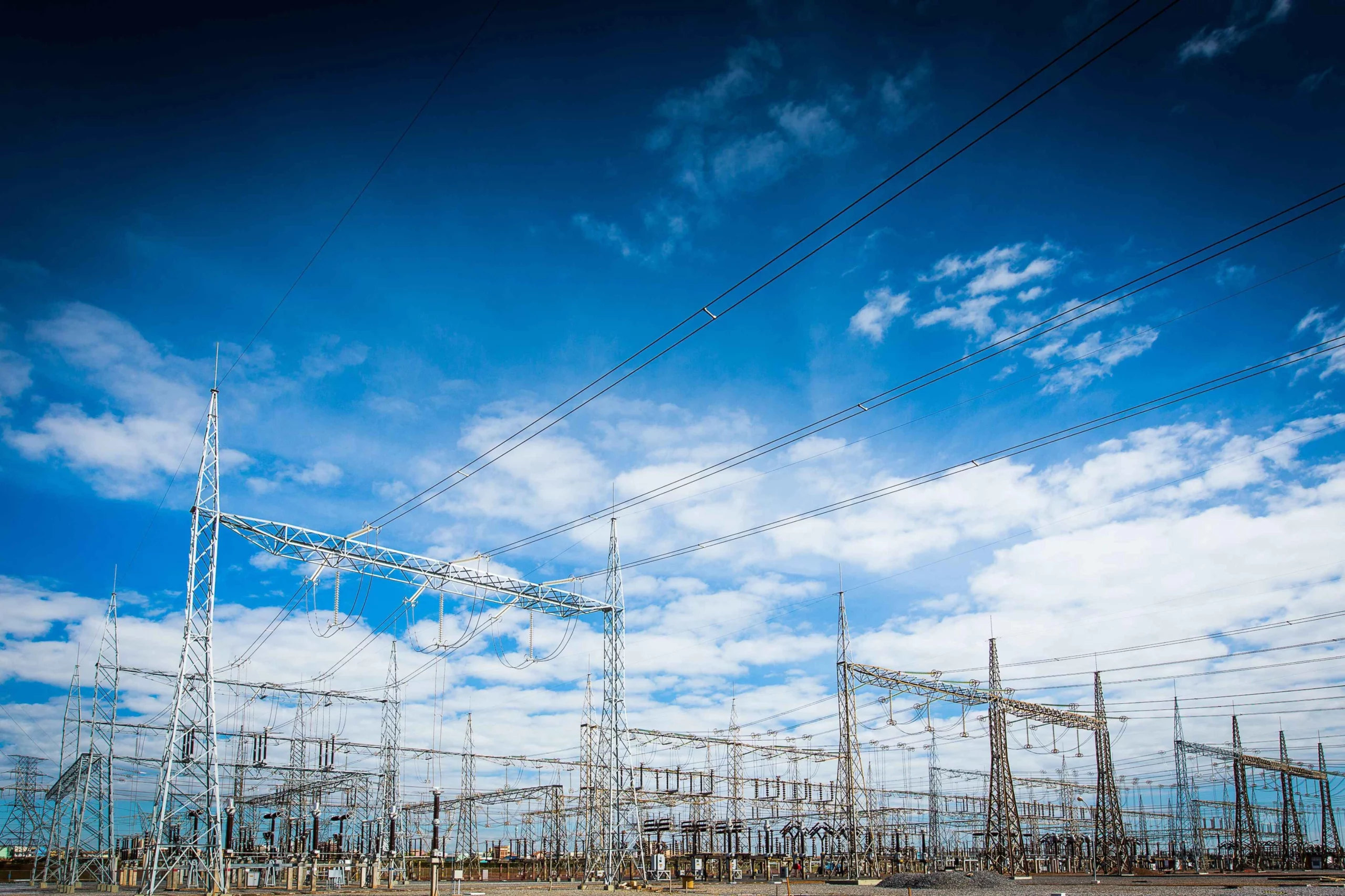
—Transmission Network Reach The four divested assets—Goiás Transmissão, MGE Transmissão, Transenergia Renovável, and Transenergia São Paulo—cover roughly 1,000 to 1,086 km of power lines across six Brazilian states.
—Concession Duration The concessions sold run until 2039–2040, providing Gebbras with a long-term, regulated revenue stream from Brazil’s electricity sector.
—Buyer Profile Gebbras Participações is linked to Colombia’s Grupo Energía Bogotá (GEB), expanding the group’s footprint in the Brazilian transmission market.
—Quarterly Profit Axia reported an adjusted net income of R$2.6 billion (about US$513 million) for the fourth quarter of 2025, reflecting its post-privatization focus on profitability.
Axia Energia sells transmission stakes to Gebbras for 451 million reais and reports a 2.6 billion reais adjusted profit in the fourth quarter, signaling an aggressive portfolio reshaping at the privatized utility.
Transaction Details and Asset Profile
Axia Energia—the rebranded entity formed from the privatization of Eletrobras—finalized the sale of its 49% minority equity interests in four Special Purpose Entities (SPEs) to Gebbras Participações. The transaction was valued at R$451.4 million (about US$89 million), announced on May 4, 2026, and formally concluded on July 15, 2026.
The assets sold include Goiás Transmissão, MGE Transmissão, Transenergia Renovável, and Transenergia São Paulo. Together, these transmission lines span between 1,000 and 1,086 kilometers, cutting through the states of Goiás, Minas Gerais, Espírito Santo, Mato Grosso, Mato Grosso do Sul, and São Paulo.
A Special Purpose Entity is a legally separate company created to isolate financial risk. In Brazil’s electricity sector, each transmission concession is typically housed in its own SPE, which makes it easier for investors to buy and sell stakes without disturbing the underlying operations or the concession contract itself.
The six states covered by these lines form a corridor that links Brazil’s agricultural heartland to its industrial southeast. Reliable transmission in this region is essential for moving power from large hydroelectric and renewable sources to major demand centers, including São Paulo city and the port complex of Vitória.
The Buyer and Long-Term Concessions
Gebbras Participações is part of the Colombian group Grupo Energía Bogotá (GEB), a major player in Latin American energy infrastructure. The acquisition gives GEB a strategic foothold in Brazil’s regulated electricity transmission sector.
The concessions sold have long-term visibility, with expiration dates set between 2039 and 2040. This provides the buyer with a predictable, inflation-adjusted revenue stream over the next decade and a half, a profile highly sought after by infrastructure investors.
In a regulated concession model, the operator earns a fixed annual revenue authorized by the electricity regulator, Aneel, with periodic adjustments for inflation. That structure shields returns from the volatility of electricity demand, making these assets behave more like a long-dated inflation-linked bond than a typical industrial business.
For GEB, which already operates transmission assets in Colombia, Peru, and Guatemala, adding Brazilian concessions diversifies its regulatory risk across multiple jurisdictions. Brazil’s transmission auctions have attracted a wave of international capital in recent years, and this deal fits squarely within that trend.
Axia’s Quarterly Profit and Accounting Picture
In parallel with the divestiture, Axia Energia posted an adjusted net income of R$2.6 billion (about US$513 million) for the fourth quarter of 2025. The company’s total accounting net income under International Financial Reporting Standards (IFRS) was markedly higher, ranging between R$13.6 billion (about US$2.7 billion) and R$13.9 billion (about US$2.7 billion), primarily boosted by the recognition of deferred tax assets.
The adjusted figure, which strips out these non-recurring tax credits, offers a clearer view of the operational baseline. The leaner profit measure aligns with Axia’s strategy of focusing on core operations and recycling capital after its transition from a state-owned giant to a private corporation.
Deferred tax assets arise when a company has overpaid taxes or accumulated losses that can offset future tax bills. After privatization, Eletrobras—now Axia—was able to recognize a large stock of these credits on its balance sheet, which flattered the headline profit number without any cash changing hands.
Analysts therefore pay closer attention to the adjusted profit to gauge the company’s true earning power.
Why This Matters for Investors and Residents
For expatriates and investors, these transactions confirm that Brazil’s recently privatized utilities are actively optimizing their asset bases to unlock shareholder value and trim complex holding structures. The sale of non-strategic minority stakes reduces administrative fat and sharpens Axia’s investment focus.
For residents, the change in indirect ownership matters because transmission infrastructure is the backbone of electrical reliability. When specialized groups like GEB take over long-term concessions, the efficiency of capital allocation can support more stable tariffs and sustained maintenance in critical regions like Minas Gerais and Mato Grosso.
The broader significance lies in what this says about Brazil’s post-privatization landscape. The old Eletrobras model bundled generation, transmission, and a sprawling portfolio of minority stakes into a single state-controlled entity.
The new Axia is unwinding that complexity piece by piece, selling what it cannot control and concentrating capital where it can drive operational improvements.
What to watch next is whether Axia continues to shed additional minority positions in other SPEs, and whether Gebbras or its parent GEB pursues further acquisitions in Brazil’s transmission segment. Another open question is how the incoming revenue from these sales will be deployed—whether toward debt reduction, new greenfield projects, or shareholder dividends—and what that signals about management’s confidence in Brazil’s electricity demand trajectory.
Background: Brazil’s Own VP Calls Its Tax System a ‘Madhouse’ That Repels Investors.
Background: our doing business in brazil a complete guide for foreign entrepreneurs guide.
More: Brazil news in English, every day from The Rio Times.
Frequently Asked Questions
Why is Axia Energia selling its minority transmission stakes?
Axia is streamlining its investment portfolio after privatization, selling non-controlling, 49% minority stakes to recycle capital and concentrate on assets where it holds full operational control.
Who is Gebbras and why is the purchase significant?
Gebbras Participações is linked to Colombia’s Grupo Energía Bogotá (GEB). The purchase expands GEB’s footprint in Brazil’s regulated transmission sector with long-term, inflation-adjusted contracts lasting until 2039–2040.
What is the difference between Axia’s accounting profit and adjusted profit?
The massive accounting net income of over 13 billion reais included one-off deferred tax credits. The adjusted profit of 2.6 billion reais reflects the recurring operational earnings power after privatization-related restructuring.
Sources: Axia Energia conclui venda de participações para Gebbras, Axia se desfaz de ativos de transmissão por R$ 451 milhões, Axia Energia vende ativos de transmissão a Gebbras por R$ 451,5 milhões, Axia surpreende mercado com lucro bilionário após transformação da ex-Eletrobras, Lucro da Axia dispara 1.000%, mas resultado ajustado divide o mercado, Axia acelera desinvestimentos e vende participação em ativos de transmissão por R$ 451,5 milhões
Connected Coverage
This article was produced by The Rio Times’ automated newsroom system. How we use AI · Report an error · Editorial responsibility: Matthias Camenzind, Editor-in-Chief
LatAm Markets: Live Signals → — real-time movers, turnover leaders and FX across Latin America.