Bolivia Electricity Law Explained, From Auctions to Tariffs

BOLIVIA · ENERGY
Key Facts
- —The country Bolivia is a landlocked South American country whose power grid leans heavily on gas-fired plants, according to its energy minister.
- —What happened On Monday, 12 October, Minister Marcelo Blanco outlined a new electricity bill and said no tariff rise is planned “at this moment.”
- —The proposal Auctions for new power plants in areas the state selects, contracts of about 15 years or more, and an independent electricity regulator.
- —Where it stands Blanco said the electricity bill and a companion green energy bill have gone to the Legislative Assembly, which must approve them.
- —The catch on tariffs Blanco would not guarantee that power prices stay frozen until the end of President Rodrigo Paz’s term.
- —What it means for you Wind, solar and hydro developers could bid for long contracts; green energy tax incentives differ above and below US$15 million.
The Bolivia electricity law reform moved to centre stage on Monday, 12 October. Hydrocarbons and Energy Minister Marcelo Blanco presented a bill built on auctions and long contracts, and said no tariff rise is planned “at this moment.”
The Bolivia electricity law would overhaul a framework set in 1994 and give private and foreign investors more room to build power plants. For US readers, it tests whether crisis-hit, gas-dependent Bolivia can attract outside money for wind, solar and hydro.
What the Bolivia Electricity Law Would Change
The core change in the Bolivia electricity law is how new power plants get built. The state would plan where generation is needed and auction those areas, Blanco said, according to El Deber and Brújula Digital.
“The contracts are going to be for approximately 15 years or more,” Blanco told reporters, as quoted by El Deber. He presented that length as a way to give investors certainty and time to recover their capital.
The bill also reshapes the institutions. A ministry directorate would take charge of planning, while the electricity regulator would become independent, according to both outlets.
That regulator is currently the AETN, the Authority for the Oversight of Electricity and Nuclear Technology. Under the bill, the regulator would supervise tariffs and protect consumers, El Deber reported.
Both outlets said the bill also aims to widen electricity access in rural areas.
Who Proposed It and Where It Stands
The Bolivia electricity law comes from the Ministry of Hydrocarbons and Energy in the government of President Rodrigo Paz. Its minister, Marcelo Blanco, presented it alongside a second bill to promote green energy.
Blanco said both bills have been sent to the Legislative Assembly, Bolivia’s two-chamber parliament, for debate and approval, El Deber and Brújula Digital reported. The measures are subject to review and approval by lawmakers.
The green energy bill would certify projects in renewables, biofuels, hydrogen, alternative fuels and energy efficiency, including electric transport. Certified projects could then tap national and international funding, including climate finance, Erbol reported.
Tariffs, Subsidies and the Gas Question
“At this moment, raising tariffs is not being considered,” Blanco said, according to Erbol and Brújula Digital. He argued that returns for power investors can improve without higher bills.
Asked whether prices would hold until the end of the Paz government, he declined to commit. “I cannot guarantee, nobody can guarantee you anything,” he said, as quoted by El Deber.
Blanco acknowledged that the power industry has proposed ways to raise generators’ income. Any change must weigh its effect on the population, especially the most vulnerable, he said, according to Erbol and El Deber.
He did not announce any change to the subsidised gas that feeds thermal power plants, El Deber reported. Gas plants will keep running, he said, and new sources could displace them under dispatch rules, which schedule plants to meet demand.
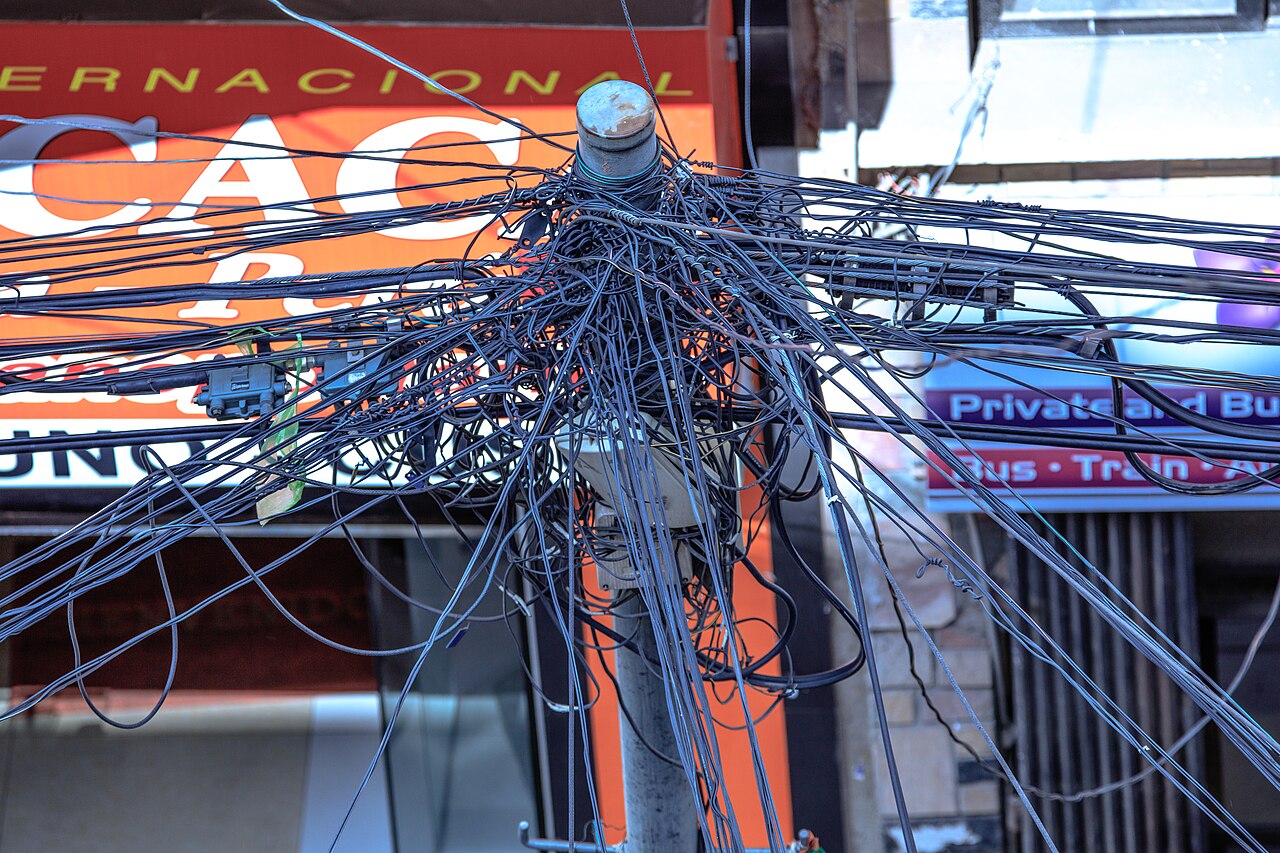
Why Bolivia Wants to Overhaul the 1994 Law
Bolivia’s current Electricity Law, Law 1604, dates from 21 December 1994, according to ENDE, the state-owned National Electricity Company. ENDE says that law split the industry into separate businesses to bring in competition and investment.
Blanco said the 1994 model favoured conventional and fossil-fuel sources, Brújula Digital reported. Private companies dominated the sector before nationalisation, after which ENDE gained weight, he recalled.
The new law aims to widen private participation under updated rules, he said.
The government wants to diversify its power sources while keeping gas in the system, Blanco said, according to El Deber and Erbol. Wind, solar, biomass and hydro would be added gradually.
With laws like this one, the Paz government seeks foreign investment for a country in economic crisis, El Deber reported on 30 September. For the fuel side of that crisis, see the end of the diesel subsidy and the petrol subsidy review.
What It Means for You
For foreign investors, the Bolivia electricity law would open a clearer door into a sector where state company ENDE gained weight after nationalisation. Auctions with long contracts are the route Blanco described for new private generation.
The companion green energy bill adds tax incentives, with different mechanisms for projects above and below US$15 million, according to El Deber and Brújula Digital. Both bills seek national and international investment, Brújula Digital reported.
For households and businesses in Bolivia, the near-term message is stability. Power tariffs are not set to rise now, but the minister declined to promise anything beyond that.
Investors weighing Bolivia’s wider resource bets can also follow the stalled lithium contracts.
What Is Not Known
The government presented the main lines of the Bolivia electricity law, not every clause. Blanco did not say how power purchase prices would be set or what guarantees the auction contracts would carry, El Deber reported.
It is also unclear how the independent regulator’s leaders would be appointed and how it would be funded. Blanco did not specify which taxes the green energy incentives cover, their size or how long they last, El Deber reported.
How quickly the Legislative Assembly will take up the two bills is not known.
More on this story: Who Is Bolivia's Energy Minister Marcelo Blanco.
More: Bolivia news in English, every day from The Rio Times.
Frequently Asked Questions
What is the proposed Bolivia electricity law?
It is a bill to overhaul Bolivia’s 1994 Electricity Law. The Bolivia electricity law would award new power plants through state auctions, offer contracts of about 15 years or more and make the regulator independent.
Will electricity tariffs rise in Bolivia?
Not for now. On Monday, 12 October, Minister Marcelo Blanco said no increase is planned “at this moment.” He would not guarantee tariffs until the end of President Rodrigo Paz’s term.
Who proposed the new Bolivia electricity law?
The Ministry of Hydrocarbons and Energy under Minister Marcelo Blanco, part of President Rodrigo Paz’s government. Blanco said it has been sent to the Legislative Assembly with a green energy bill.
Can foreign companies invest under the Bolivia electricity law?
That is the stated aim of the Bolivia electricity law. The bills seek national and international investment through auctions and long contracts, with green energy tax incentives tied to a US$15 million threshold.
Sources: ENDE, Marco normativo (Ley de Electricidad Nº 1604, 21 de diciembre de 1994), accessed 13 October 2026; El Deber, Gobierno no prevé alza de tarifas eléctricas, pero evita garantizarlo a futuro, 12 October 2026; Brújula Digital, Gobierno presenta dos proyectos de ley para impulsar las energías verdes y modernizar el sector eléctrico, 12 October 2026; Erbol, Gobierno promueve nueva Ley de Electricidad y aclara que en este momento no piensa subir tarifas, 12 October 2026; El Deber, Rodrigo Paz envía a la Asamblea Legislativa un proyecto de nueva ley de electricidad, 30 September 2026; Lexivox, Ley de Electricidad Nº 1604, 21 December 1994; AETN, Autoridad de Fiscalización de Electricidad y Tecnología Nuclear, accessed 13 October 2026.
Editorial responsibility: Matthias Camenzind, Editor-in-Chief · Editorial standards · Report an error