
BOLIVIA · DIPLOMACY · CHILE
Key Facts
- The country Bolivia, a landlocked Andean nation, holds some of the world’s largest lithium resources and imports much of its fuel.
- What happened On Wednesday 14 October Bolivia named three top goals for Friday’s visit by Chile’s President José Antonio Kast.
- When and where Kast is due in La Paz, Bolivia’s seat of government, on Friday 16 October 2026.
- Top goals A minerals agreement, crude oil imports through Chilean ports and a link to a Pacific data cable backed by Google.
- Off the table A row over Bolivian timber seized in Chilean ports on drug suspicions will stay out of the Bolivia Chile talks.
- Power Index Bolivia ranks 12th of 14 in The Rio Times Latin America Power Index, with 28.4 points (October 2026 edition).
Bolivia Chile talks on Friday 16 October will focus on minerals, oil imports and a data cable, Bolivia’s deputy foreign minister said on Wednesday. The list matters beyond the Andes, because both neighbours hold vast lithium resources and Google co-owns the company behind the cable.
Chile’s conservative President José Antonio Kast, in office since March, is due in La Paz for talks with Bolivian President Rodrigo Paz. The deputy minister also said a row over Bolivian timber seized in Chile on drug suspicions will stay off the table.
What Bolivia Wants From the Visit
Deputy Foreign Minister Carlos Paz Ide told El Deber, a Santa Cruz daily, that at least 30 issues were prepared for the Bolivia Chile talks. Because the visit is short, they will give priority to 11 of them, he said.
He named three as the most important for Bolivia. The first is a minerals agreement between Bolivia’s mining minister and his Chilean counterpart.
The second is the Humboldt undersea fibre-optic cable, which Paz Ide said would cross Chile and Bolivia to reach Brazil. The third is a plan to import crude oil from Chilean ports into Bolivia.
Chile’s government says the Humboldt cable will link the Valparaíso region with Australia over more than 14,000 kilometres. Desarrollo País, a Chilean state firm, and Google own equal shares of Humboldt Connect, the company in charge of the cable.
Chile’s La Tercera newspaper reported on Tuesday that the visit should produce a mining cooperation agreement and a deal to connect Bolivia to the cable. It also listed a declaration on linking the two countries’ power grids.
A Pipeline Run in Reverse
The oil plan is known in Bolivia as the “reversa OSA”, meaning the Sica Sica–Arica pipeline run in the opposite direction. The line links Sica Sica, in Bolivia’s La Paz region, with Arica, and crude would flow inland instead of out to the sea.
Bolivia has struggled this year with fuel queues and costly imports, as our coverage of the Santa Cruz fuel shortage showed. A steady import route through a nearby port could ease pressure on YPFB, the state oil company.
Fernando Aramayo, the minister of the presidency, said earlier this month that the Bolivia Chile talks would bring a set of signed agreements. “Integración bioceánica, económico-comercial son fundamentales,” he said, meaning that links between the Pacific and Atlantic coasts and trade are key.
The Timber Dispute Left Off the Table
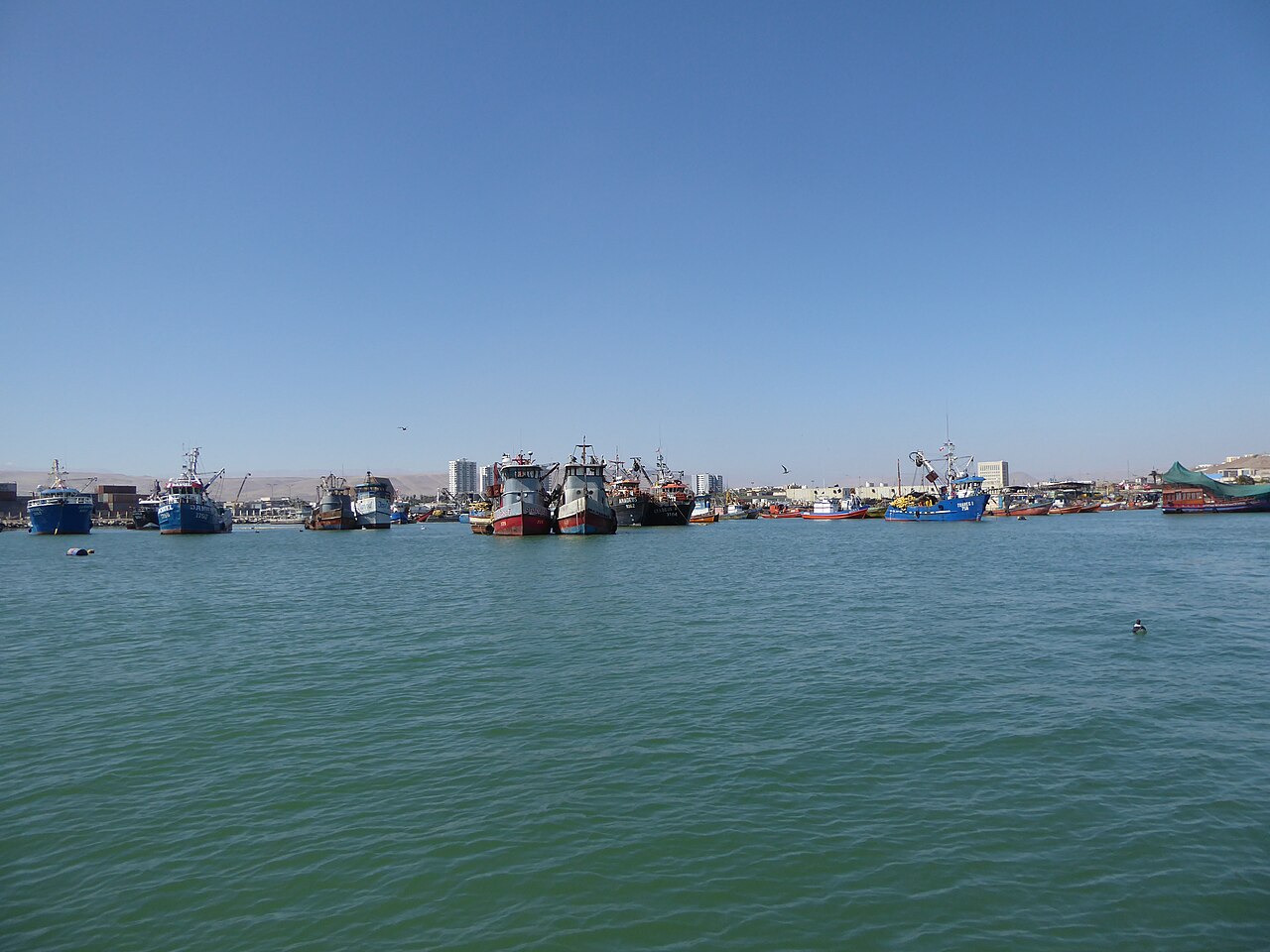
Chilean prosecutors seized more than 1,000 tonnes of Bolivian timber in June at the ports of Arica, San Antonio and Valparaíso. They say the wood was laced with cocaine and ketamine, which Bolivian exporters deny.
Former officials of the US Drug Enforcement Administration, hired by the exporters, have questioned how the drug tests were done, La Tercera reported. Arica’s regional prosecutor, Mario Carrera, says Chile’s Public Health Institute confirmed the findings.
Carlos Paz Ide said the case will stay out of the Bolivia Chile talks because it is “complicado” (complicated) and lies with Chile’s prosecutors. Bolivia is asking Kast for respect for due process and protection of the country’s reputation, he said.
Earlier this month Aramayo had said the agenda included issues that “incomodan” (trouble) the Bolivian state, such as the timber seizures. On Wednesday Caneb, the national exporters’ chamber, asked for an urgent meeting with President Paz before Kast arrives.
Neighbours Without Ambassadors
Bolivia and Chile have not had full diplomatic relations for decades, and they keep consulates general instead of embassies. Bolivia lost its coastline to Chile in a 19th-century war and still claims a route to the sea.
In 2018 the International Court of Justice in The Hague ruled that Chile had no legal duty to negotiate sea access with Bolivia. Ties stayed largely frozen after that ruling, and Aramayo says contacts resumed in the first days of Rodrigo Paz’s government.
Paz Ide described the new approach as pragmatic, respecting Bolivia’s constitution and its sea claim while working toward restored diplomatic ties. “Lo normal es que los países tengan relaciones diplomáticas,” he said, meaning that it is normal for countries to have diplomatic relations.
Rodrigo Paz, a centre-right former senator, has led Bolivia since November 2025. Kast, founder of Chile’s conservative Republican Party, took office in March 2026, and the two leaders met in Miami that month.
What It Means for You
For investors, a minerals deal from the Bolivia Chile talks would interest US carmakers and battery buyers. Bolivia, Chile and Argentina together hold a large share of the world’s known lithium.
For tech firms, a Bolivian link to the Google-backed cable would open a new data route across the Pacific. For travellers, no change to border crossings or entry rules has been announced.
Earlier steps toward the visit are set out in our report on Kast’s planned trip to Bolivia. Bolivia’s interior minister, Marco Antonio Oviedo, said on Tuesday that security is a main topic, including cars stolen in Chile and driven into Bolivia.
What Is Not Known
Neither government has published the full list of 11 points for the Bolivia Chile talks or any agreement text. It is not known whether a minerals deal would cover lithium.
The exact programme has not been released, and Foreign Minister Héctor Huanca said on Tuesday that Kast will stay only one day. No cost, volume or start date has been given for crude imports through Chilean ports.
More: Bolivia news in English, every day from The Rio Times.
Frequently Asked Questions
When does Chile’s president visit Bolivia?
Chilean President José Antonio Kast is due in La Paz on Friday 16 October 2026. Foreign Minister Héctor Huanca says he will spend one day in Bolivia for talks with President Rodrigo Paz.
What will the Bolivia Chile talks cover?
Bolivia’s deputy foreign minister named a minerals agreement, crude oil imports through Chilean ports and a fibre-optic cable as top goals. The two sides plan to work through 11 priority points.
Will the timber dispute be discussed?
Bolivia’s deputy foreign minister said it will not, because the case lies with Chile’s prosecutors. Bolivian exporters still want it raised and have asked President Paz for an urgent meeting.
Why do Bolivia and Chile have no ambassadors?
The two countries have not had full diplomatic relations for decades, mainly over Bolivia’s lost coastline. They keep consulates instead, and Bolivia says it is working toward restoring ties.
Sources: Ministerio de Relaciones Exteriores de Bolivia: Comunicado conjunto (meeting of the Bolivian and Chilean foreign ministers), 8 October 2026; Subtel (Chile): Desarrollo País y Google se unen para crear Humboldt Connect, 4 June 2025; El Deber: Minería, conexión y transporte de crudo entre los temas incluidos en la reunión Paz-Kast, 14 October 2026; Brújula Digital: La agenda que tratarán los presidentes de Bolivia y Chile en La Paz tiene 11 puntos, 14 October 2026; El Deber: Exportadores piden reunión con Paz por madera quemada en Chile, 14 October 2026; El Deber: Kast reduce su visita a un día y Bolivia anticipa reclamos a Chile por el tráfico de autos robados, 13 October 2026; La Tercera: Kast apuesta a fortalecer relación bilateral con primera visita oficial de un presidente chileno a La Paz, 13 October 2026; La Tercera: Los informes con que exfuncionarios de la DEA cuestionaron la investigación del fiscal Carrera por narcomaderas, 7 October 2026.
Editorial responsibility: Matthias Camenzind, Editor-in-Chief · Editorial standards · Report an error