Banking in Argentina for Expats: Pesos and Dollars (2026)
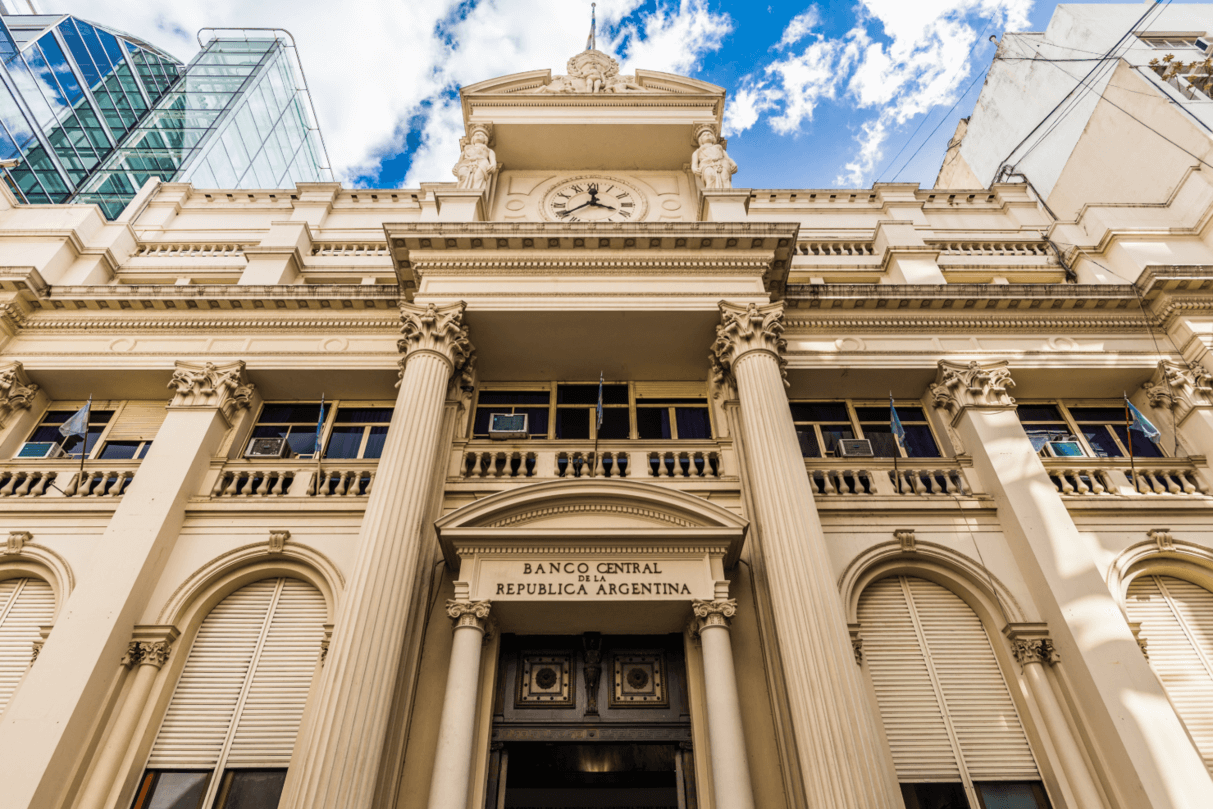
Key Facts
—Residency helps a lot. Banking in Argentina for expats is far easier with a DNI and CUIL; without them, options are limited to some fintech apps or a CDI.
—Pesos and dollars. Residents can hold a peso account (caja de ahorro en pesos) and a separate dollar account, useful amid high inflation.
—Exchange controls. The ‘cepo’ currency controls shape how you buy and move dollars; the regime shifts, so check current rules.
—Fintech is big. Apps like Mercado Pago, Ualá and Brubank are widely used and quick to open.
—Documents. Banks typically want your DNI, CUIL or CUIT and proof of address.
Banking in Argentina for Expats: What You Need
For banking in Argentina for expats, residency is the dividing line. With a DNI and CUIL you can open standard bank accounts; without them, your realistic options are fintech wallets or limited arrangements using a CDI number.
Banks typically ask for your DNI, CUIL or CUIT and a proof of address.
Pesos, Dollars and Inflation
Because inflation has been high, locals manage money across currencies. Residents can hold a peso savings account and a separate dollar account, and many keep savings in dollars while spending in pesos.
Understand the difference between your everyday peso balance and dollar holdings before you start moving money.
Traditional Banks vs Fintech Apps
| Traditional banks | Fintech apps | |
|---|---|---|
| Examples | Banco Galicia, Santander, BBVA, Nación | Mercado Pago, Ualá, Brubank |
| Onboarding | In branch, with DNI/CUIL | In-app, fast |
| Best for | Salary, dollar accounts, full services | Everyday spending, transfers, QR |
| Access without DNI | Very limited | Sometimes, with restrictions |
Opening the Account
Resident accounts are opened in branch with your DNI, CUIL/CUIT and proof of address; you leave with a debit card and app access. Fintech apps onboard in minutes and are how many Argentines pay day to day.
Activate online banking and set transfer limits the same day.
Exchange Controls and Moving Money
The ‘cepo’ exchange-control regime governs how individuals buy and transfer dollars, and it changes with policy. For money from abroad, many expats use Western Union or services like Wise, comparing the effective rate against the official one.
Always check the current rules before large transfers, as limits and taxes shift.
Fees, Limits and Safety
Compare account maintenance fees and minimum balances, and remember peso balances lose value to inflation — which is why many residents keep savings in a dollar account or stable instruments.
Exchange-control limits on buying dollars change with policy; check the current monthly cap and any taxes before planning a large purchase or transfer.
Keep US-dollar cash for flexibility, use ATMs in secure locations, and treat Western Union as a reliable channel for money from abroad when the rate is favourable.
Tips and Limits
Keep some US-dollar cash for flexibility, watch account fees and minimums, and confirm a branch’s exact document requirements before you go, since they vary. Treat exchange-control rules as a moving target and verify before acting.
More: Argentina news in English, every day from The Rio Times.
Frequently Asked Questions
Can I open a bank account in Argentina without a DNI?
Standard bank accounts generally require a DNI and CUIL. Without residency, your realistic options are some fintech apps or limited arrangements using a CDI number.
Can I hold a dollar account?
Yes. Residents can open a separate dollar account (caja de ahorro en dólares) alongside a peso account, which many use to hold savings amid inflation.
What is the cepo?
The ‘cepo’ is Argentina’s set of currency and exchange controls that limit how individuals buy and move dollars. The rules change with policy, so check the current regime.
What fintech apps do people use?
Mercado Pago, Ualá and Brubank are widely used, open quickly in-app and handle everyday payments, QR and transfers.
Which documents do I need?
Typically your DNI, CUIL or CUIT and a proof of address. Requirements vary by bank and branch.
How do I bring money from abroad?
Western Union is popular and often gives a favourable rate; services like Wise also work. Compare the effective rate against the official one and check transfer limits.
Next in the series
- Living in Buenos Aires: the 2026 expat guide
- 02 — Your DNI and CUIL
- 03 — Residency in Argentina: Visas Explained
- 01 — Your First 48 Hours in Buenos Aires
This article was produced by The Rio Times’ automated newsroom system. How we use AI · Report an error · Editorial responsibility: Matthias Camenzind, Editor-in-Chief
In depth
Expat Guide to Argentina
What The Rio Times publishes for foreigners who live in or move to Argentina.
Start here
- Argentina Security and Crime Explained 2026
- Argentina Money Guide for US Travelers
- Best Places to Live in Argentina for Expats 2026
- How to Open a Bank Account in Argentina as a Foreigner in 2026: Tax ID, Dollars, Apps
City guides
Coming up in Argentina
- Los Pericos Gran Rex Concert Set for 22 October 2026 in Argentina 22 Oct
- Mendoza Things to Do, 9 to 31 October 2026 31 Oct
- IRONMAN San Juan in Argentina on 1 November 2026 1 Nov
- Mar del Plata Film Festival 2026: 5 to 15 November 5 Nov
Understand Argentina