Analysis: Violent war among drug traffickers has left 160 dead this year in Brazil/Paraguay border region
RIO DE JANEIRO, BRAZIL – The dispute over the drug trafficking routes that supply Brazilian states and other countries has already caused the death of at least 160 people this year on the border between Brazil and Paraguay. On the Brazilian side, there were 74 deaths through September, according to data from the Civil Police.
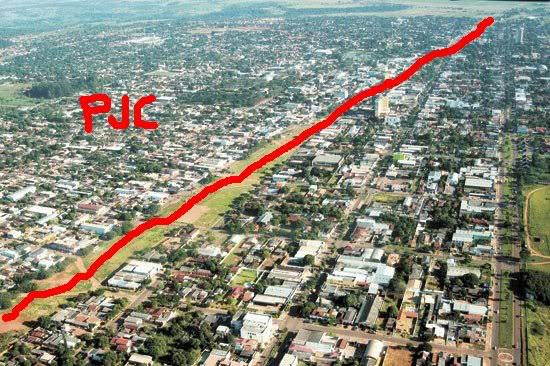
One in every four deaths in the state of Mato Grosso do Sul happens in the ten municipalities of the region. In six towns on the Paraguayan side, there were at least 86 deaths. According to authorities, the region has been at war since 2016, when the São Paulo faction First Command of the Capital (PCC) controlled trafficking on the border.

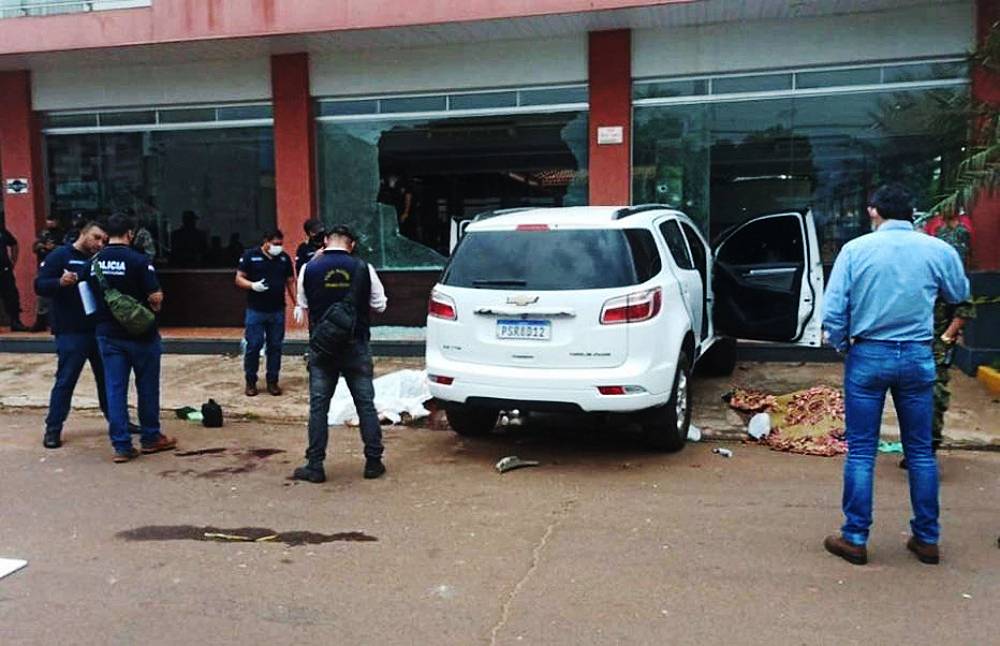
On Saturday (9), four people were executed in an attack in Pedro Juan Caballero, a Paraguayan city divided by a city street from Ponta Porã, in Mato Grosso do Sul.
Three other people were shot but survived. The massacre killed two Brazilian medical students, Karine Reinoso de Oliveira, 21, and Rhannye Jamilly Borges de Oliveira, 19.
The Paraguayan Haylle Carolina Acevedo Yunis, 21, niece of the governor of the Amambay department, Ronald Acevedo, also died. Haylle is also the niece of politician José Carlos Acevedo, who on Sunday was elected mayor of Pedro Juan Caballero for the fourth consecutive time.

According to the Paraguayan police, the target was 29-year-old Osmar Vicente Alvarez Grance, allegedly linked to drug trafficking. He received most of the shots, mainly to the head. The governor’s niece was his girlfriend.
She and her Brazilian classmates were studying medicine at the Central University of Paraguay in Pedro Juan Caballero. According to the police, 107 shots were fired from pistols and Ak-47 and AR-15 rifles.
Images from a camera show three men getting out of a pickup truck and unloading their weapons against the group. They had left a party and were getting into a white Blazer pickup truck.
This vehicle had a Brazilian license plate and had been stolen in Navegantes, on the coast of Santa Catarina state. Osmar was hit before he took the wheel of the car. After he was down, one of the gunmen approached him and discharged his gun against his head.
On Sunday (10), a pickup truck similar to the one used by the shooters was found in flames on a side road, ten kilometers from Pedro Juan. The attack happened in the General Diaz neighborhood, five blocks from the border. The Toyota Hilux had Bauru (SP) plates and was stolen.
On Monday morning, six Brazilians were arrested by Paraguayan police in the city of Cerro Corá, in the same department, suspected of participating in the massacre. They had no weapons, but cell phones were seized. Their names were not released.
On Saturday, in Ponta Porã, also on Saturday, councilman Farid Charbell Badaoul Afif (DEM), 37, was shot to death, but the police see no relation between the cases.
According to the Secretary of Justice and Public Safety of Mato Grosso do Sul, Antônio Carlos Videira, the murder of the councilman is being investigated by teams from the Specialized Homicide Police Station. “Some lines are being checked, and soon we will have the clarification of the crime”, he said.
(2100) Vídeo mostra execução de vereador na fronteira com o Paraguai – YouTube
According to him, the execution of the Brazilian women in Pedro Juan Caballero has to do with drug trafficking. The Pedro Juan Caballero region lives a climate of a dispute between criminal factions to control trafficking, especially marijuana produced in the area and cocaine from Bolivia.
According to the secretary, the Brazilian state and federal police monitor, the gangs and have intensified joint operations against trafficking. From January to July this year, 460 tons of drugs were seized after crossing the border.
According to him, the seizures end up generating conflicts between gangs, resulting in executions. Despite the high crime rates on the border, homicides have been falling throughout the state, says Videira.
There were 530 in 2017, dropping to 456 the following year and 416 in 2019. Last year, the number hovered at 434, but this year, through September, there were 311.
INTERNAL CONFLICT
Paraguayan police believe the attack in Pedro Juan Caballero was ordered by the First Capital Command (PCC). This São Paulo drug faction has infiltrated the neighboring country to control the routes for sending drugs and weapons to Brazilian and foreign criminal organizations.
Osmar Grance, known as Bebeto, was the owner of a laundry where 13 members were arrested in March of this year during a PCC assembly. It is suspected that Bebeto facilitated the police action.
During this operation, Weslley Neres dos Santos, a.k.a. Bebezão, who led the faction in Paraguay, was arrested. Bebeto also allegedly ordered the murder of Marco Esquivel Gonzales, 32, for a drug debt.
Marco’s wife, the niece of Cornelio Esquivel, one of the leaders of the PCC in the region, was also killed in the attack. According to the Paraguayan police, Bebeto had contracted debts with drug traffickers since he received a shipment of drugs and did not deliver them.
According to the sub-commander of the Civil Police of the Amambay department, Roberto Fleitas, the most likely hypothesis for the massacre is a conflict involving members of the PCC.
“It would be more an internal issue of a faction that disputes the Brazilian drug market. There was a conflict with this person, Bebeto. This is what the Public Ministry and the police focus their work on, together with the Federal Police in Brazil,” he said.
ORGANIZED CRIME
In recent months, the actions of death squads calling themselves “border vigilantes” have contributed to inflating homicide statistics in the region. The victims, primarily involved in thefts and robberies, were executed with cruelty and, in several cases, ended up with their throats slit, their limbs cut or severed. The criminals left notes beside the bodies, with “no stealing at the border” and “death to thieves”.
It is estimated that, since last year, at least 60 people have been executed by the so-called “justiceiros” (vigilantes). On May 5, Brazilian and Paraguayan police arrested Anderson Meneses de Paula, known as Tuca, a member of the PCC nucleus in Paraguay and a leader and instigator of the executions.
The motivation for these actions is to provide “tranquility” for the drug traffickers to continue their “work” since the robberies attract more frequent police presence on the streets. The press in the region has also been targeted by drug traffickers.
Last year, journalist Lourenço Veras, 52 years old, was executed at home while having dinner with his wife and two children. He had demanded action against drug trafficking in the region.
Key Facts
— Deep Dive
— For the complete picture, read our in-depth guide: Paraguay: Washington's Most Valued Ally in Latin America
More: Brazil news in English, every day from The Rio Times.
This article was produced by The Rio Times’ automated newsroom system. How we use AI · Report an error · Editorial responsibility: Matthias Camenzind, Editor-in-Chief