America’s New Cuba Playbook: Starve The Grid, Strain The State, Force A Deal
Key Points
- U.S. officials now see Cuba as more exposed after Venezuela’s power shift and Maduro’s capture.
- The pressure strategy centers on choking off oil flows and hard-currency income from medical missions.
- Havana rejects bargaining under coercion, raising risks of deeper hardship and new migration waves.
The capture of Nicolás Maduro in early January jolted the political map that long protected Havana. For decades, Cuba survived crises by leaning on outside patrons.
First came Soviet subsidies. Then tourism filled part of the gap. In the 2000s, Venezuela became the decisive lifeline, sending subsidized oil that kept Cuba’s power grid running.
That pillar is now unstable. U.S. policy has shifted from containment to confrontation, betting that Cuba’s economic stress has reached a tipping point.
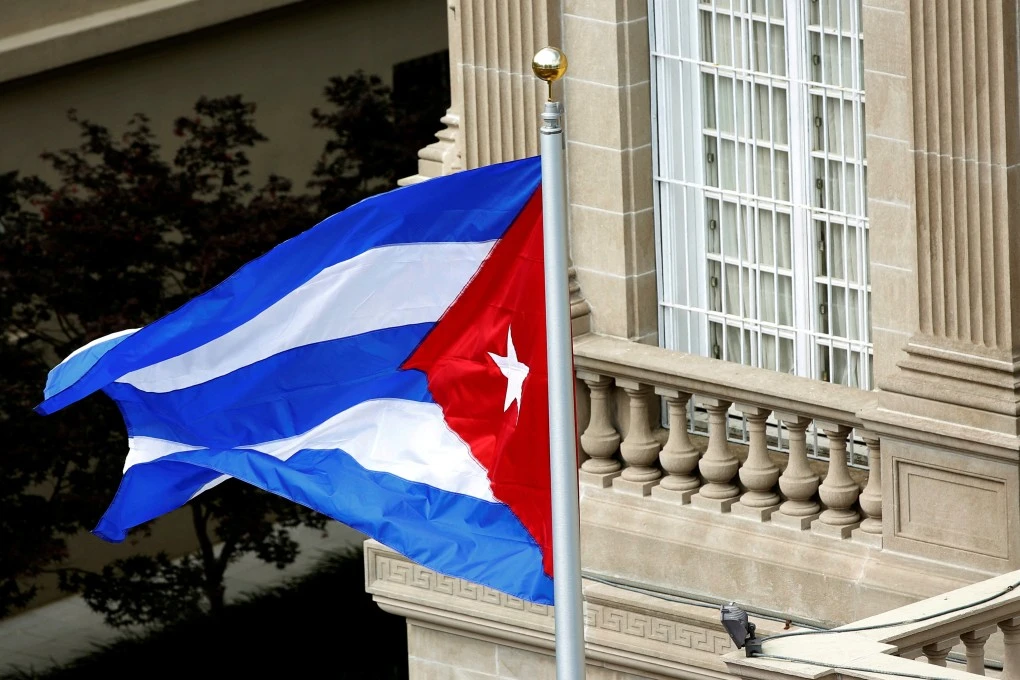
President Donald Trump signaled the approach on January 11, warning there would be no more “oil or money” going to Cuba and urging a deal “before it is too late.” The message was not subtle.
Cut the fuel, cut the cash, and force a choice inside the regime. Energy is the first choke point. Cuba’s grid is fragile and its refining and transport systems depend on steady crude supply.
With Venezuelan shipments disrupted, officials and analysts warn of sharper blackouts, stalled public transport, and a hit to production. In a country where shortages are already routine, fuel scarcity can turn frustration into open defiance.
Money is the second lever. Washington has widened restrictions tied to Cuba’s overseas medical missions, aiming at what it views as a major foreign-currency pipeline.
Cuba’s loyalty under external pressure
Havana says the program is humanitarian and voluntary. Critics call it a coercive export system that props up the state while doctors take the personal risk.
The Venezuela operation also carried a psychological message. Reports say the raid succeeded with help from an insider, and that Cuban personnel died protecting Maduro.
For Cuba’s leadership, the lesson is that loyalty can crack. For Washington, it suggests that the right combination of pressure and back-channel contact might produce a negotiator inside the system.
That is the gamble. Cuba is not Venezuela. It has no legal opposition, tight internal security, and a party structure built to prevent splits. President Miguel Díaz-Canel has ruled out capitulation, and the old guard still shapes decisions.
If the squeeze tightens, the consequences will not stay on the island. A harsher collapse could push new migration flows and increase regional instability, while hardline tactics raise the chance of miscalculation on all sides.
Related coverage: Brazil’s Morning Call | Brazil’s Revenue Windfall Gives Brasília Fiscal Breathing Ro This is part of The Rio Times’ daily coverage of Cuba affairs and Latin American financial news.
This article was produced by The Rio Times’ automated newsroom system. How we use AI · Report an error · Editorial responsibility: Matthias Camenzind, Editor-in-Chief
Read More from The Rio Times