Jamaica Bond Sale Will Pay for Jamaica’s Own Buyback
JAMAICA · BUSINESS & ECONOMY
Key Facts
- —What happened Jamaica is issuing a US$1 billion unsecured international bond, with investor meetings that began on 3 September.
- —Where the money goes About US$600 million funds a buyback of older bonds and the rest covers general budget needs.
- —The real story Swapping expensive old debt for cheaper new debt lowers the interest bill without raising the total owed.
- —The catch The coupon and the maturity of the new bond have not been published, so the saving cannot be calculated yet.
- —Why investors are buying Tourism brought 2.34 million visitors and US$2.5 billion in earnings in the eight months to 31 August.
- —What comes next The buyback offer closes on 9 September and settlement is expected by 17 September.
Jamaica is borrowing a billion dollars and spending most of it repurchasing its own older bonds. That is not a contradiction, and it is worth understanding why.
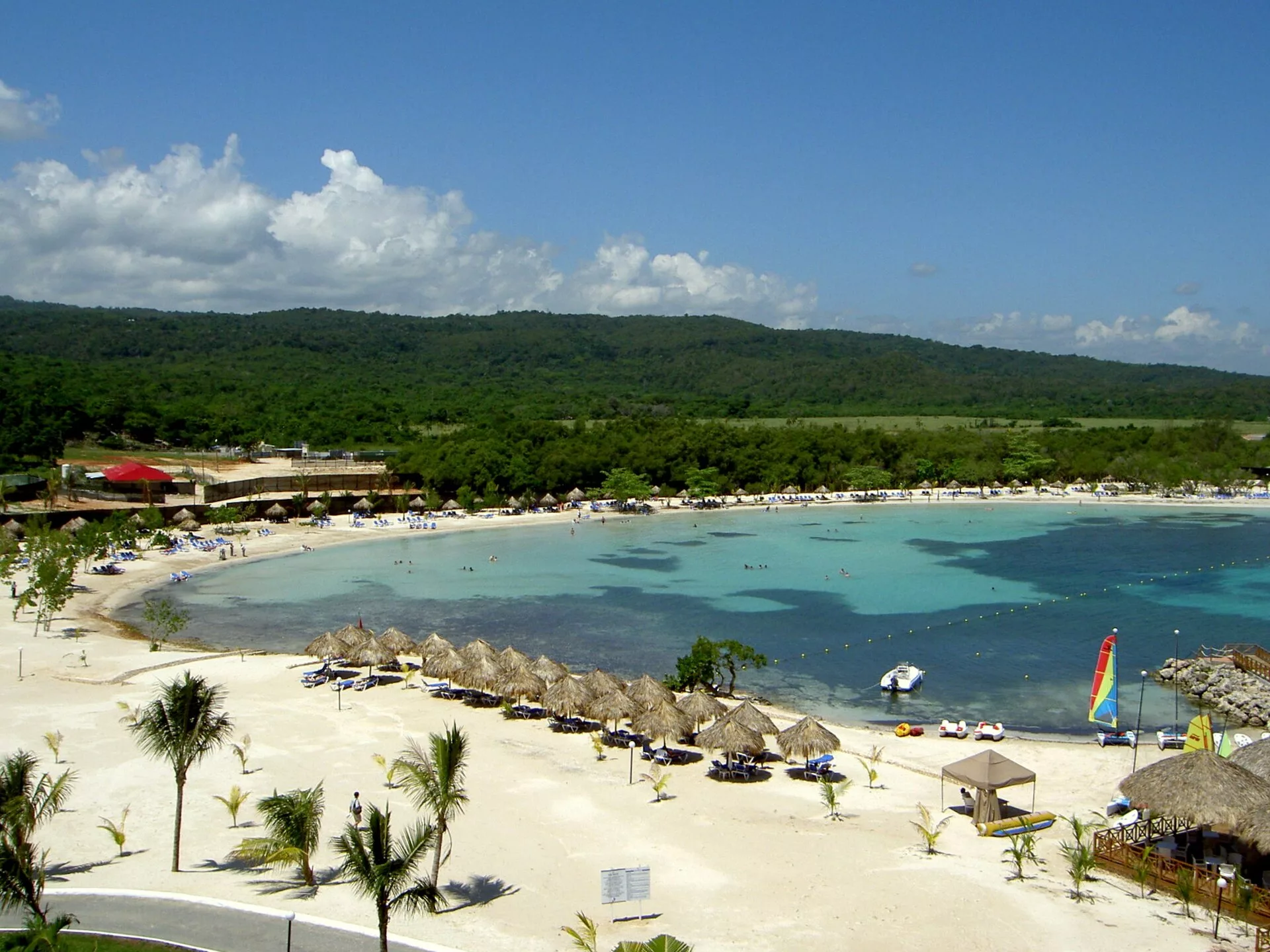
Jamaica is going back to the international markets. The new Jamaica bond is a US$1 billion unsecured issue, and most of the proceeds will not be spent on anything new.
About US$600 million is earmarked to buy back older bonds. The balance goes to general budgetary purposes.
The Jamaica Observer reported the structure on 4 September 2026, citing a roadshow document. Investor meetings began the day before.
The new bond is expected to list on the Euro MTF market of the Luxembourg Stock Exchange. That is a common venue for sovereign issuers from the region.
Why the Jamaica Bond Pays for Old Debt
This looks circular and is not. It is called liability management, and the aim is to change the shape of the debt rather than its size.
Older bonds were sold when Jamaica paid more to borrow. Replacing them with new debt at a lower rate cuts the annual interest bill.
It can also push repayment dates further out. A government that owes the same amount but later, and at a lower rate, has more room in every budget.
The test is whether the new bond prices below the old ones. Until the coupon is published, nobody can say whether the trade works.
The Buyback the Jamaica Bond Funds
Jamaica launched the buyback on 2 September 2026. It is a tender offer for up to US$2.3 billion of outstanding bonds.
The targets are issues maturing in 2028, 2036 and 2039. Holders are offered a price to sell them back early.
The offer window closes on 9 September, unless the government extends or terminates it. Settlement is expected by 17 September.
Note the gap between the two numbers. The tender covers up to US$2.3 billion, while roughly US$600 million of new money is dedicated to it.
So the government is not expecting every holder to accept. A tender is an invitation, and take-up is voluntary.

What Is Not Yet Known
Two details of the Jamaica bond are missing from the public record. The coupon has not been published.
Neither has the maturity. Without both, the interest saving is not calculable, and any estimate would be invented.
The exact pricing date is also unconfirmed. The 17 September date refers to settlement of the overall transaction.
These gaps are normal at this stage. A sovereign publishes terms when the book closes, not when the roadshow starts.
Why Investors Are Interested
Jamaica has had a strong tourism year, and that is the revenue behind the credit. Arrivals reached 2.34 million by 31 August 2026.
Earnings over the same period were US$2.5 billion. Those figures come from the Jamaica Gleaner and the government’s own information service.
The comparison with last year is close but positive. Jamaica counted about 2.3 million visitors and US$2.4 billion in earnings over a comparable stretch of 2025.
What makes this year notable is the starting point. The island lost hotel rooms to Hurricane Melissa in October 2025 and still grew.
What It Means for Residents and Investors
For Jamaicans, the immediate effect is indirect. Lower interest costs free budget room that would otherwise go to creditors.
For bondholders, the tender is a decision with a deadline. Selling back early means taking the offered price rather than waiting for maturity.
For the wider Caribbean, this is a signal about market access. A small island economy raising a billion dollars unsecured is not a routine event.
The number to watch on the Jamaica bond is the coupon. It will say, more precisely than any statement, what the market thinks of Jamaican credit.
More: Caribbean news in English, every day from The Rio Times.
Frequently Asked Questions
What is Jamaica issuing?
A US$1 billion unsecured international bond. Investor meetings began on 3 September 2026 and the bond is expected to list on the Euro MTF market in Luxembourg.
What will the money be used for?
About US$600 million is earmarked to fund a buyback of existing bonds, with the balance going to general budgetary purposes.
What is the buyback?
A tender offer launched on 2 September 2026 for up to US$2.3 billion of bonds maturing in 2028, 2036 and 2039. It closes on 9 September, with settlement expected by 17 September.
What interest rate will Jamaica pay?
That has not been published. Neither the coupon nor the maturity of the new bond is in the public record, so the interest saving cannot yet be calculated.
How is Jamaica’s tourism performing?
Arrivals reached 2.34 million and earnings US$2.5 billion in the eight months to 31 August 2026, despite hotel rooms lost to Hurricane Melissa in October 2025.
Sources: Jamaica Observer, International Financing Review, Jamaica Gleaner, Jamaica Information Service, Rio Times.
This article was produced by The Rio Times’ automated newsroom system. How we use AI · Report an error
Read More from The Rio Times