Brazil Trade Surplus Climbs in August as China Fills the US Gap
BRAZIL · BUSINESS & ECONOMY
Key Facts
- —What happened Brazil recorded a trade surplus of US$7.394 billion in August, 23.8 percent higher than a year earlier.
- —How big the year is The surplus for the first eight months reached US$55.318 billion, up 28.2 percent on the same period of 2025.
- —The real story China took US$8.34 billion of exports in August alone, more than the whole month’s surplus.
- —The catch Exports to the United States are down 9.7 percent this year, and August only rose there because prices did.
- —Who it affects Oil, soy, copper and coffee producers, and exporters now facing US tariffs of up to 37.5 percent.
- —What comes next The government has raised its full-year surplus forecast to US$90 billion from US$72.1 billion.
Brazil sold more abroad in August than in any August but two. The interesting part is not the total but who is buying, and who has stopped.
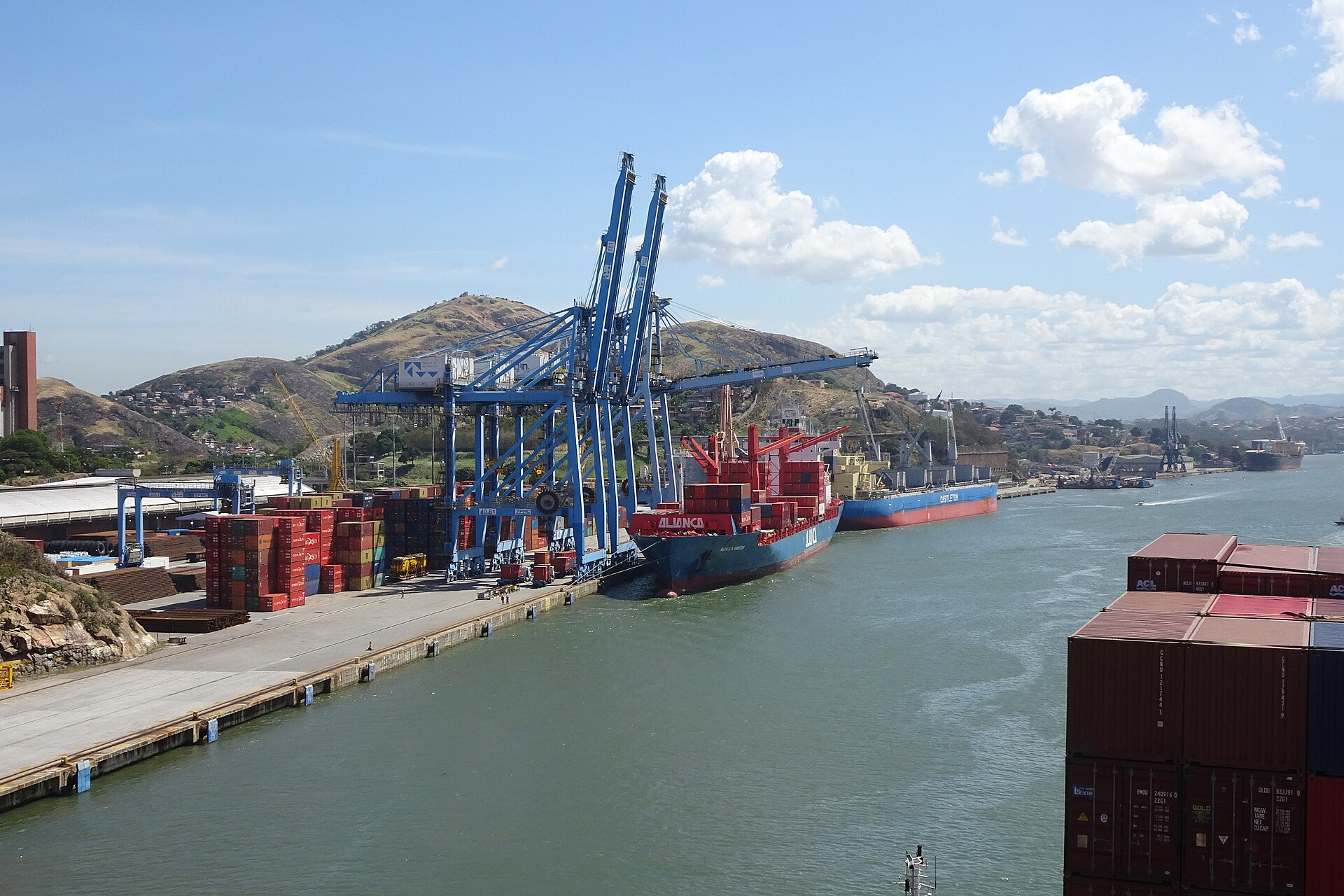
Brazil sold a lot more abroad than it bought in August. The Brazil trade surplus came in at US$7.394 billion, 23.8 percent above August 2025.
The figures were released by Secex, the foreign trade secretariat, on Friday 4 September 2026. Secex sits inside the development and industry ministry.
Exports reached US$33.158 billion, up 12.2 percent. Imports were US$25.764 billion, up 9.2 percent.
Both sides grew, which is the healthier version of a surplus. Total trade flow of US$58.9 billion was an August record.
The Brazil Trade Surplus So Far This Year
The eight-month picture is stronger than the month. The accumulated surplus reached US$55.318 billion, up 28.2 percent on the same period last year.
That is the second-best January to August since 1989. Only 2023, at US$62.4 billion, was better.
The result also beat the market. The median forecast collected by Broadcast was US$6.75 billion.
The government has since raised its own projection. It now expects a full-year surplus of US$90 billion, against US$72.1 billion before.
China Is Doing the Heavy Lifting
One number explains most of the year. Brazil sold US$8.34 billion to China in August alone.
That is more than the entire month’s surplus. Across January to August, exports to China reached US$77.07 billion, a rise of 15 percent.
The products behind it are familiar. Crude oil brought in US$36.86 billion over eight months, up 23.8 percent, and soy US$39.42 billion, up 15.2 percent.
Some smaller lines grew much faster. Copper ore exports rose 80.6 percent over eight months, and by 223.1 percent in August alone.
Nickel ore was up 120.7 percent and unroasted coffee 24.1 percent. Those are price effects as much as volume effects.
Live Company IntelligenceGrupo Aeroportuario del Pacífico S.A.B. de C.V — the full investor dossier
Valuation & profitability
Price & risk
$341.7952-wk high
$512.65
Revenue trend · 6y
Ownership
Dividend
The United States Is Going the Other Way
This is where the year turns awkward. Exports to the United States fell 9.7 percent in the first eight months.
They came to US$24.105 billion, down from US$26.705 billion. Brazil now runs a deficit of US$3.211 billion with its second-largest partner.
August looked better on the surface. Exports to the United States rose 12.1 percent, to US$3.190 billion.
The detail undoes the headline. Volumes fell 3.1 percent in the month and 13.6 percent over the year to date.
Herlon Brandão, who runs the ministry’s foreign trade statistics department, put it plainly. The rise, he said, rests on export prices to the United States growing 8.6 percent.
What Changed on Tariffs
The 50 percent tariff many people still quote is gone. It was revoked after the US Supreme Court curtailed the emergency powers it rested on.
A different regime took its place on 22 July 2026. It uses Section 301, the American trade law for unfair practices, rather than emergency authority.
The rates are 25 percent under one action and 12.5 percent under a second. Where both apply, they cumulate to 37.5 percent.
The scope is narrower than the headline suggests. The ministry’s own analysis found 23.1 percent of exports affected and 52.7 percent exempt.
Beef, coffee, citrus, aircraft, petroleum, pharmaceuticals, semiconductors and cellulose are exempt. Steel and aluminium sit at 50 percent under a separate mechanism.
What This Means in Practice
Brazil has not lost export markets so much as swapped one for another. Chinese demand and high commodity prices have covered the American gap and then some.
That is comfortable while prices hold. It is also a concentration risk, because a single buyer now drives the surplus.
For companies inside Brazil, the split matters by sector. An oil or soy exporter is having an excellent year, while a manufacturer shipping to the United States is not.
For residents and expatriates, the currency link is the practical one. A large Brazil trade surplus supports the real, which is why the currency has held up through a noisy political year.
What to Watch Next
The first thing is prices. Much of this year’s growth is value rather than volume, and that reverses quickly if commodity markets turn.
The second is the American tariff file. The Section 301 measures can be widened or narrowed without new legislation.
The third is the September data. It will show whether the August rebound in dollar sales to the United States was a one-off.
The fourth is the government’s own forecast. Raising the target to US$90 billion sets a public benchmark to be judged against in January.
More: Brazil news in English, every day from The Rio Times.
Frequently Asked Questions
How big was Brazil’s August trade surplus?
US$7.394 billion, 23.8 percent higher than August 2025. Exports were US$33.158 billion and imports US$25.764 billion, both up on the year.
What is the surplus for 2026 so far?
US$55.318 billion for January to August, up 28.2 percent on the same period of 2025. That is the second-best result for those months since 1989.
Which country is buying?
China. It took US$8.34 billion of Brazilian exports in August and US$77.07 billion over eight months, a rise of 15 percent, led by crude oil and soy.
What is happening with the United States?
Exports fell 9.7 percent over eight months to US$24.105 billion. August dollar sales rose 12.1 percent, but volumes fell, so the increase came from higher prices.
What tariffs does Brazil face in the United States?
Since 22 July 2026, 25 percent under one Section 301 action and 12.5 percent under another, cumulating to 37.5 percent where both apply. Steel and aluminium face 50 percent separately.
Sources: MDIC, Secex, Agência Brasil, Poder360, Comex do Brasil, Jornal do Comércio, InfoMoney, Diário do Grande ABC, Rio Times.
This article was produced by The Rio Times’ automated newsroom system. How we use AI · Report an error
Read More from The Rio Times