Chile’s Copper Output Fell 13.8% as Codelco’s Recovery Came Undone
Mining: Chile
Key Facts
—Output drop. Chile’s copper production fell 13.8% year-on-year to 399,954 metric tons in April 2026, statistics agency INE reported, after a 9.0% decline in March.
—Restatement. An internal audit found Codelco booked about 26,875 tons of copper improperly in 2025; adjusted for that, last year’s output was the company’s lowest since roughly 1998. Prosecutors are reviewing the case.
—El Teniente. After a fatal July 2025 collapse that killed six workers, Codelco expects the flagship mine to produce around 301,000 tons a year for the next five years, El Teniente mine head Claudio Sougarret told Reuters in February 2026.
—Storm hit. An atmospheric river in July 2026 disrupted the copper belt; Codelco estimated losses at El Teniente near US$7.5 million per day during the stoppage.
—Stakes. Chile supplies roughly a quarter of the world’s mined copper, with exports of US$20.4 billion in 2025; copper near a record US$14,500 a tonne reflects the tightening supply.
Chile’s copper industry — a quarter of global supply — is having its worst year in decades: output is falling at every major mine, state producer Codelco has restated its 2025 results after an audit, and a winter storm exposed how little slack the system has left.
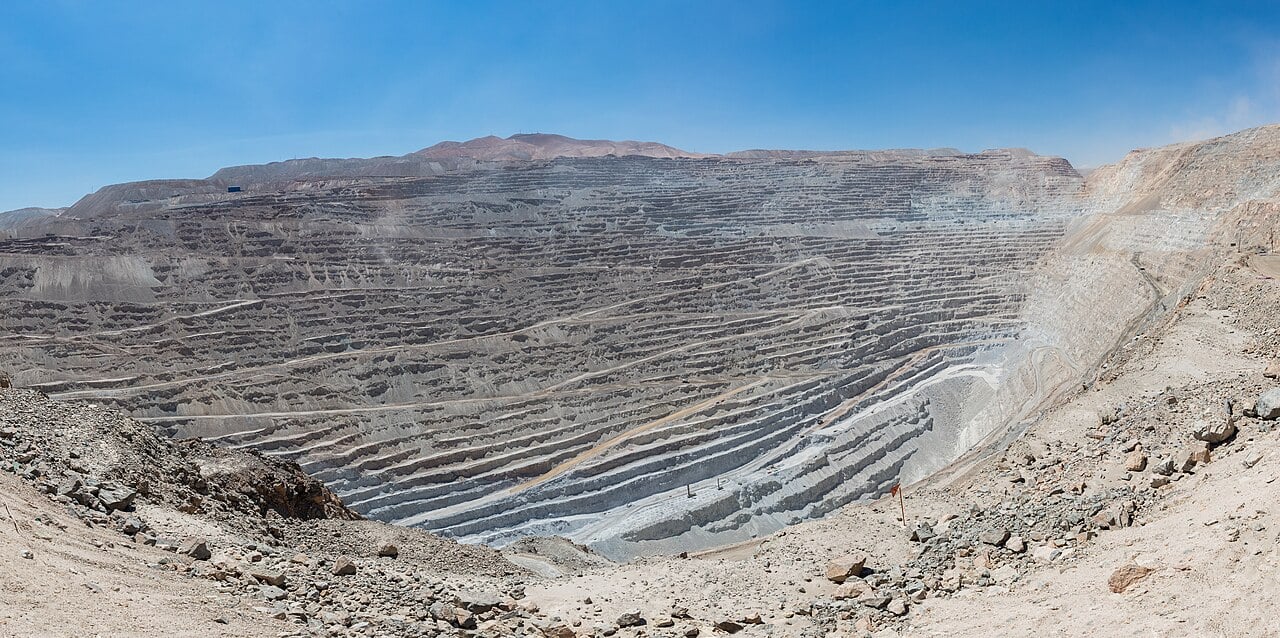
A Bad Year in Hard Numbers
The decline is sector-wide, not a single-mine story. Chile’s National Institute of Statistics put April 2026 production at 399,954 tons, down 13.8% from a year earlier, after a 9.0% contraction in March to 434,314 tons. In March, Cochilco data showed Escondida down 15.8% and Collahuasi down 10.8% year-on-year — so no major operation offset the weakness at Codelco.
Codelco itself produced 110,900 tons in March 2026, 10% less than a year earlier, and 272,000 tons across the first quarter, down 8%. Antofagasta, the country’s largest private producer, reported first-half output down 9.5% in July 2026.
The official 2026 target now looks exposed. Codelco chairman Máximo Pacheco said in January the company would produce 1.344 million tons this year, about 10,000 above 2025; by July his successor as chairman, Bernardo Fontaine, told a congressional committee output would more likely stay near last year’s level than advance toward the long-standing goal of 1.7 million tons by 2030.
The Audit That Undid the Recovery Story
Codelco’s December 2025 production spike — 172,300 tons, its best month of the decade — had already raised questions when January 2026 collapsed 47% to 91,000 tons. An internal audit, announced in May 2026, found roughly 26,875 tons had been booked as finished product without meeting the criteria, including 20,000 tons at Chuquicamata and 6,875 at Ministro Hales.
Restated, Codelco’s 2025 output falls to its lowest since about 1998. Seven current executives and one former executive were held responsible, and the company referred the matter to public prosecutors. A separate external review by Cochilco is due in September 2026, and the incoming government has ordered its own examination of the state miner.
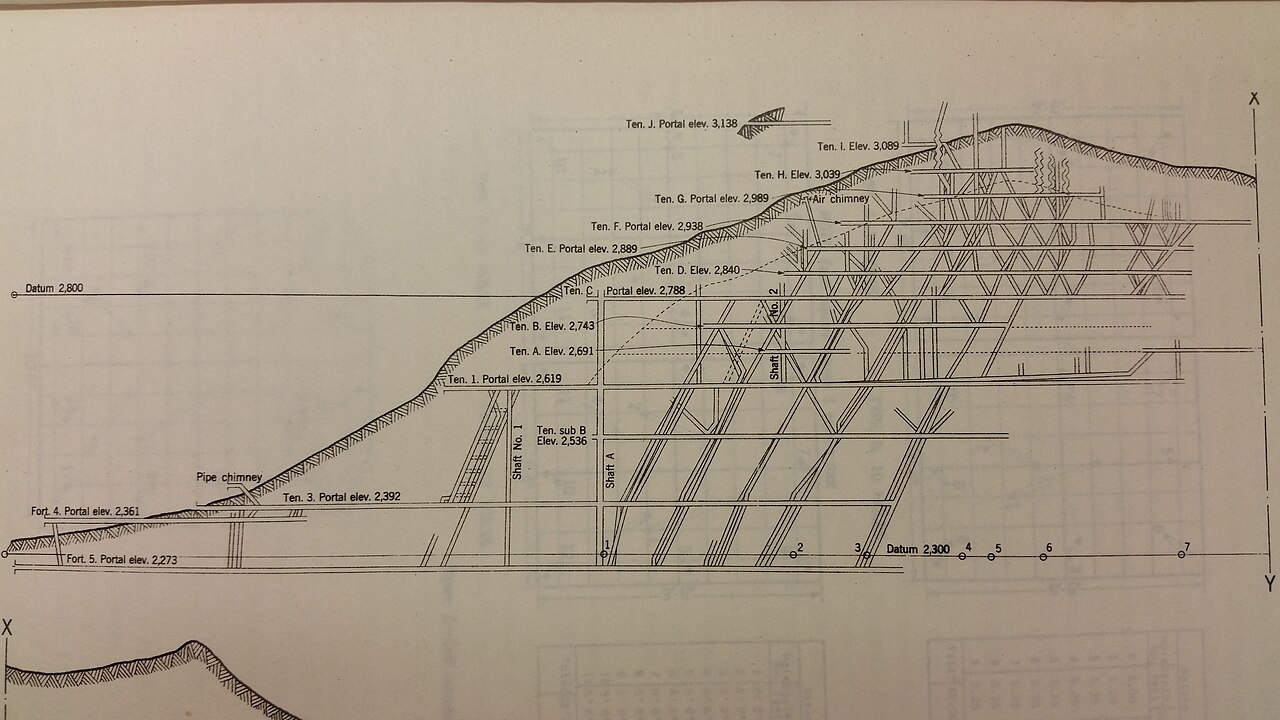
El Teniente’s Five-Year Shadow
The single biggest operational wound is El Teniente, South America’s largest underground copper mine, where a collapse in July 2025 killed six workers. The mine’s 2025 output fell 13% to 310,100 tons, and El Teniente’s mine head, Claudio Sougarret, told Reuters in February 2026 that production would hover near 301,000 tons a year for five years — far longer than the three-year recovery first communicated.
Then came the weather. An atmospheric river storm in July 2026 forced stoppages across the copper belt; Codelco estimated the disruption at El Teniente alone cost about US$7.5 million per day. Climate volatility is becoming a line item in supply models that already had no room for error.
Why the World Cannot Easily Replace Chilean Copper
Chile’s geology is aging. Ore grades at its great porphyry deposits have fallen for decades, meaning more rock must be moved for the same metal, and replacing that output requires rising capital spending — BHP and Cochilco have both flagged the trend. Demand, meanwhile, is being pulled by electric vehicles, grid buildouts and AI data centers.
That mismatch is why copper trades above US$10,000 a ton, and why exploration capital is migrating to newer districts in Quebec, Argentina’s Vicuña belt and South Australia. Chile’s national ambition of 6 million tons a year by 2030 now depends on projects and coordination deals — such as the Anglo American-Codelco alliance finalized in mid-2026 — delivering on schedule.
What to Watch Through the Rest of the Year
Three markers will show whether this is a plateau or a bad stretch: the Cochilco external audit in September 2026, any further guidance cuts in the next quarterly reporting round, and Codelco’s four-year plan — including a proposal to integrate Chuquicamata, Radomiro Tomic and Ministro Hales for US$2 billion in combined savings and revenue.
For Chile, copper is not an abstraction: it is the export that funds the budget. For the rest of the world, the message of 2026 is that the floor under global supply is thinner, older and more expensive than the market assumed.
Frequently Asked Questions
How much did Chile’s copper production fall in 2026?
National output fell 13.8% year-on-year in April 2026 to 399,954 tons, after a 9.0% drop in March. Codelco’s first-quarter production fell 8%, and Antofagasta reported first-half output down 9.5%.
What did the Codelco production audit find?
An internal audit found about 26,875 tons of copper were improperly recorded in 2025 results, mostly at Chuquicamata. Restated, 2025 output was Codelco’s lowest since roughly 1998; the case was referred to prosecutors, and an external Cochilco review is due in September 2026.
When will El Teniente recover?
Not soon. Codelco’s CEO told Reuters in May 2026 that output would stay near 301,000 tons a year for five years following the fatal July 2025 collapse, versus about 310,000 tons in 2025 and far higher levels historically.
Connected Coverage
From the winter storm that shook the copper belt to the politics of the world’s top producer, our Chile file follows the story.
Sources: Crux Investor; Discovery Alert (Cochilco data); Kamoa Cap; Mining Reporters; Reuters.
This article was produced by The Rio Times’ automated newsroom system. How we use AI · Report an error
In depth
Read More from The Rio Times