Brazil’s Casas Bahia Confirms It Has Filed for Bankruptcy Protection
Brazil · Retail
Key Facts
- —What happened Brazil’s Casas Bahia has filed for judicial recovery, the country’s court-supervised version of bankruptcy protection, with a São Paulo judge.
- —How big a jump The retailer posted a record net loss of R$10.1 billion (US$1.94 billion) in the second quarter, its worst ever.
- —The real story Casas Bahia blends retail with consumer credit, so its troubles gauge Brazilian household credit.
- —The catch The court has not yet accepted the filing, and the R$17.3 billion (US$3.32 billion) debt figure circulating online is unconfirmed.
- —Who it touches Thousands of jobs, small family suppliers, and investors in Brazilian retail stocks like Magazine Luiza are all exposed.
- —What comes next The court’s case-opening decision, triggering a creditor claim freeze, is the key watch this week.
Brazil’s most famous appliance chain has officially asked a court to protect it from creditors—but the big debt number circulating in the news hasn’t been confirmed yet.
Casas Bahia has officially filed for judicial recovery — a Brazilian court-supervised process that helps a struggling company restructure its debts to avoid bankruptcy — and the paperwork is now in the hands of a São Paulo judge. The company, under its parent Grupo Casas Bahia, submitted the request on Sunday, 16 August 2026, just days after reporting the biggest quarterly loss it has ever seen.
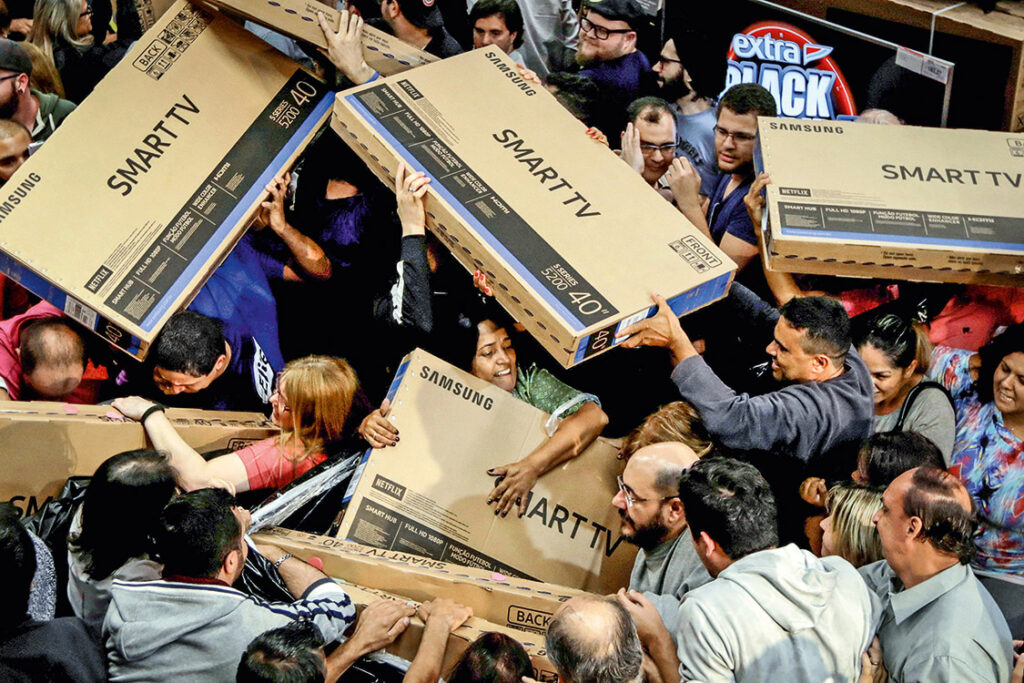
Inside the Casas Bahia judicial recovery filing
Grupo Casas Bahia (B3: BHIA3), the appliance and furniture chain almost every Brazilian household knows, filed its petition on Sunday 16 August 2026. It went to the bankruptcy and judicial-recovery court of the Foro Central Cível in São Paulo, and was reported on 17 August by InfoMoney, SpaceMoney, Renova Invest and Infopebas.
The board of directors approved the move unanimously. An extraordinary shareholders’ meeting is to be called to ratify it, though no date has been set.
In its fato relevante — the material fact notice Brazilian listed companies must file with the market — the company said the “ajuizamento do pedido de recuperação judicial mostra-se necessário”. In plain English, filing the petition is necessary and represents one more step toward the company’s financial restructuring.
Casas Bahia says it intends to keep trading across all its channels without material interruption. Your local store, in other words, is meant to stay open.
Why some reports said the company was only “evaluating”
The stories from 16 August saying Casas Bahia was just “evaluating” a recovery weren’t wrong — they were simply earlier in the timeline. Those reports, from Valor Econômico, Folha de S.Paulo and Reuters, were based on the company’s earnings release, published hours before the actual filing.
By the time those pieces came out, the paperwork hadn’t landed yet, so “evaluating” was the honest word for that moment. As of writing, the big international news agencies hadn’t independently confirmed the filing story, which so far comes from Brazilian financial outlets.
What recuperação judicial actually means
Recuperação judicial is Brazil’s court-supervised reorganisation, the local cousin of a US Chapter 11. Management stays in place and the shops keep trading, while a judge freezes most creditor claims for a stay of roughly 180 days.
During that window the company must put a restructuring plan to a vote of its creditors. If they reject it, the company can be pushed into falência — liquidation, with the assets sold off.
This is a different animal from the recuperação extrajudicial Casas Bahia used in 2024, which covered roughly R$4.1 billion (about US$787 million) of debentures and bank notes. That earlier deal was largely pre-agreed with a slice of creditors and taken to a judge for a rubber stamp — and it plainly did not solve the problem.
How the retailer got here
The numbers paint a brutal picture of the second quarter, which Casas Bahia finally published in the early hours of Sunday, 16 August, after two postponements. The retailer posted a record net loss of R$10.1 billion (about US$1.94 billion), and roughly R$9.1 billion (about US$1.75 billion) of that came from one-off, non-recurring items.
If you strip those one-offs out, the adjusted loss was about R$978 million (about US$188 million). Shareholders’ equity—the value left if all assets were sold and debts paid—was negative by around R$8.1 billion (about US$1.55 billion), while net debt at the end of June sat near R$1.2 billion (about US$230 million).
Auditor EY refused to give an opinion on the accounts, citing material uncertainty over the company’s ability to keep operating as a going concern, which is the assumption that a business will stay open. We covered those results and the auditor’s warning in detail in our earlier report on the Q2 loss.
The retailer has already closed 298 stores—past tense—during what it calls Phase 2 of its turnaround plan. That is roughly 28.7% of a network of about 1,000 outlets, a figure Reuters carried in its 16 August headline.
Job cuts have run to somewhere between 1,900 and 2,000 people, with the exact number varying by outlet. Folha reported a plan to trim around 30% of the workforce, and a union has sought reinstatement and compensation for those let go.
What has not been disclosed
Be careful with the numbers circulating online.
A liabilities figure of R$17.3 billion (about US$3.32 billion) has appeared in some coverage, but we could not verify it in Valor, Reuters, InfoMoney or any company document — so treat it as unconfirmed.
The company has not disclosed the size of the debt going into the case, the number of creditors, or the legal and financial advisers running the restructuring.
The court process number has not been published either.
Nor is there yet public confirmation that a judge has granted the deferimento do processamento — that’s the ruling that formally opens the case and triggers the freeze on creditor collections.
The petition has been filed, but it has not been confirmed as accepted.
On the shares, one outlet — Renova Invest — reported BHIA3 at R$0.66 (about US$0.13), up 1.54% on the day, and no exchange data or wire report has corroborated that figure.
What is well established is that the stock has fallen roughly 80% across 2026.
Why this matters beyond the stores
If you live in or invest across Latin America, it helps to remember that Casas Bahia is a consumer-credit business as much as a retailer. It sells on instalment plans — the famous carnê, or payment booklet — to lower-income Brazilians, so trouble here is a live reading on household credit.
Thousands of jobs and a long tail of suppliers, many of them small family firms, sit downstream of those stores. Payment terms tend to tighten across the whole chain once a buyer of this size goes into court protection, which is a legal shield from creditors while it reorganizes.
It is also a listed B3 name, meaning its shares trade on Brazil’s main stock exchange, and a failure on this scale colours how investors price other Brazilian retail equities such as Magazine Luiza. The court’s next move — whether it officially opens the case — is the thing to watch this week.
More: Brazil news in English, every day from The Rio Times.
Frequently Asked Questions
What is recuperação judicial?
It is Brazil’s court-supervised reorganisation, broadly similar to a US Chapter 11. Managers stay in place and the shops keep trading while a judge freezes most creditor claims for about 180 days and the company puts a plan to a creditor vote.
Has the court accepted Casas Bahia’s filing?
Not as far as anyone has reported. Casas Bahia filed its request on 16 August 2026, but no judge has publicly confirmed the *deferimento do processamento*—the formal ruling that officially opens the case and freezes creditor demands. Until that ruling happens, the freeze isn’t active.
How much does Casas Bahia owe?
Casas Bahia hasn’t yet said how much it owes in total or how many creditors are involved. You might see a figure floating around of R$17.3 billion (about US$3.32 billion), but we couldn’t confirm that in any big news outlet or official paper, so take it with a grain of salt.
Will Casas Bahia stores stay open?
Casas Bahia says it plans to keep selling through all its stores and online channels without major hiccups. Even so, it has already shut 298 locations — roughly 28.7% of its network — during the second quarter of this year, so the store footprint is now much smaller than before.
Connected Coverage
Casas Bahia Loss: Q2 Net Loss R$10.1bn, EY Doubts
Sources: InfoMoney: Casas Bahia entra com pedido de recuperação judicial; SpaceMoney: Casas Bahia recuperação judicial; Renova Invest: Casas Bahia recuperação judicial; Reuters via MarketScreener: Brazil’s Casas Bahia posts wider Q2 loss, closes 298 stores; Valor: Casas Bahia fala em piora de condições e avalia nova recuperação; Folha: Casas Bahia diz que avalia pedir recuperação; InfoMoney: Casas Bahia resultados segundo trimestre 2026; The Rio Times: Casas Bahia Q2 2026 loss
This article was produced by The Rio Times’ automated newsroom system. How we use AI · Report an error · Editorial responsibility: Matthias Camenzind, Editor-in-Chief
Read More from The Rio Times