Buenos Aires Fishing: Free but Toxic Catch Warning
Key Facts
—Where — shore fishing on the public Costanera Norte, along the Río de la Plata.
—City licence — no CABA licence is required to fish from the city shoreline, where it is tolerated.
—Provincial waters — a licence is required under Ley 11477 once you cross into Buenos Aires province.
—Off-limits — fishing is banned inside the Reserva Ecológica Costanera Sur.
—Common catch — pejerrey, boga, bagre, carpa and patí.
—Not safe to eat — UNLP and provincial studies found PCBs above the Código Alimentario guideline; sábalo was flagged “no apto para consumo”.
—Glyphosate warning — a 2023 study reported record glyphosate in sábalo; the Riachuelo basin carries long-standing advisories.
Buenos Aires fishing has a quietly devoted following along the Río de la Plata, where anglers line the public Costanera at dawn with rods, mate and folding chairs. It is a genuine slice of city life, but one rule matters more than any other: what you catch here is not food.
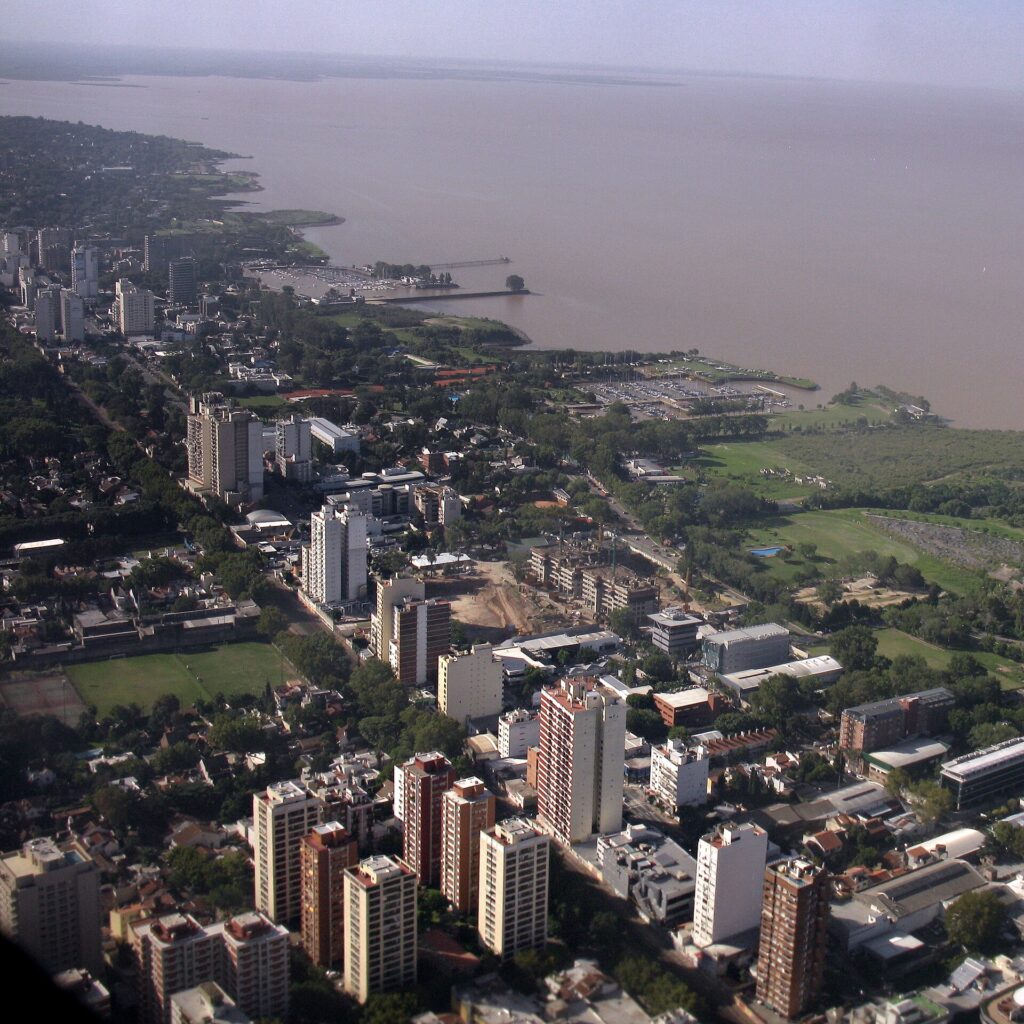
Where you can fish along the Costanera
The classic spot is the Costanera Norte, the public riverfront promenade running along the Río de la Plata. Shore fishing here is a long-standing local tradition, tolerated on the open city waterfront.
The scene is social as much as sporting. Regulars stake out favourite railings, share bait tips and treat the promenade as an extension of the neighbourhood, especially at weekends.
Not every stretch of waterfront is open, though. The Reserva Ecológica Costanera Sur, the wetland reserve on the southern side, prohibits fishing within its boundaries, and that rule is enforced.
Between the reserve and the northern promenade, the accessible fishing is really about the public shoreline, where the river opens out wide enough to feel more like a coast than a city river.
Timing shapes the experience more than any single spot. Dawn and dusk draw the most dedicated anglers, while the middle of the day tends to belong to walkers, cyclists and families sharing the same promenade.
The width of the river here is striking. On a clear day the far bank is barely visible, and the horizon of open water gives the northern promenade an almost seaside character rare in a capital city.
Licences: city shoreline versus provincial waters
On the CABA shoreline you do not need a city fishing licence to cast from the Costanera. That is a large part of why the spot is so accessible to newcomers and casual anglers alike.
The picture changes the moment you move into Buenos Aires province. Provincial waters require a licence under Ley 11477, and enforcement is a real possibility rather than a formality to be ignored.
If you plan to fish beyond the city, sort the paperwork first. The line between tolerated city shoreline and regulated provincial water is not always obvious from the bank, so err towards compliance.
The distinction is jurisdictional rather than cosmetic. The city of Buenos Aires and the surrounding province set their own rules, and the same river can carry different requirements depending on which side of that line you stand.
For visitors, the safe reading is simple: treat the city promenade as the easy, licence-free option, and assume anything further afield needs paperwork. When in doubt, ask locally before you cast.
What you are likely to catch
The Río de la Plata is surprisingly generous for an urban river. Common catches include pejerrey, boga, bagre, carpa and patí, with pejerrey the local favourite in the cooler months.
Species and success vary with season, water level and weather. Wind direction on the estuary can change the fishing dramatically from one day to the next, so two visits rarely feel the same.
For many regulars, the appeal is the ritual rather than the haul. A morning on the Costanera is about the river, the company and the wait as much as whatever ends up on the line.
Bait and technique shift with the target species. Regulars tailor their rigs to whatever is running, and a friendly question along the railing usually yields more useful advice than any guidebook.
Sábalo also features heavily in the river’s ecology, and it is the species that recurs most often in the contamination studies. That makes it a useful marker for why the eating question matters so much here.
Numbers can be deceptive on a slow morning, and blank sessions happen even for locals. Part of the appeal is reading the water and the weather, and part is simply patience on a bench beside the estuary.
The catch you should not eat
This is the spine of the whole subject. Studies by UNLP and provincial bodies have found PCBs in Río de la Plata fish above the guideline in Argentina’s Código Alimentario, and sábalo has been flagged as “no apto para consumo” — not fit for consumption.
The contamination story does not end with PCBs. A 2023 study reported record levels of glyphosate in sábalo and came with a public warning, underlining how much industrial and agricultural residue the basin carries.
The Riachuelo basin, which drains into the same system, has carried long-standing health advisories of its own. Decades of industrial discharge have left a legacy that fish accumulate in their tissue over time.
The uncomfortable takeaway is simple. The water may look inviting on a bright morning, but the fish sit at the end of a contaminated food chain, and ordinary cooking does not remove these contaminants.
Contaminants such as PCBs and glyphosate build up the food chain and lodge in fatty tissue, which is why long-lived and bottom-feeding species tend to carry the highest burdens. It is not a matter of one bad fish but of the whole system.
Advisories of this kind are not unique to Buenos Aires, as many industrialised river mouths carry them. But the combination of PCBs, glyphosate and the Riachuelo’s legacy makes the local case unusually well documented.
Why catch-and-release is the only sensible approach
Given the science, the responsible framing for Costanera fishing is catch-and-release. Enjoy the sport, photograph the fish if you like, and return it to the water rather than the frying pan.
Handling matters if release is the goal. Wet your hands, keep the fish in the water where possible, use barbless or de-barbed hooks and avoid long air exposure to give it the best chance of recovery.
Treating the activity as recreation rather than provisioning also sidesteps the health and legal grey areas entirely. There is nothing to inspect on a plate if there is no plate.
For the wider environmental backdrop, coverage of the Riachuelo clean-up explains why advisories along this river system have persisted for so long.
None of this need spoil the appeal. Anglers around the world increasingly fish for the experience alone, returning their catch, and the Costanera fits neatly into that ethic given what the science says about the water.
A landing net, forceps for hook removal and a damp cloth for handling all make release cleaner and kinder. Small kit choices add up to better survival odds for the fish you let go.
Gear, tides and etiquette on the waterfront
A basic surf or float set-up covers most Costanera fishing, and local tackle shops can point beginners to the right rig for pejerrey. Bring layers, because the riverfront wind bites in the cooler months.
The estuary is tidal and wind-driven rather than strongly currented, so water levels shift with the weather more than with a clock. Watching what the regulars do is the fastest way to read the conditions.
Etiquette is straightforward. Give other anglers space, take your litter and discarded line home, and keep clear of the reserve boundaries where fishing is prohibited; guides to the city’s green spaces map where those limits fall.
Safety on the bank deserves a thought too. Railings can be slick, the water is deeper and stronger than it looks, and keeping an eye on children near the edge is simply sensible.
Respecting the shared nature of the promenade goes a long way. This is public space used by many people at once, and anglers who stay tidy, quiet and considerate help keep the tradition welcome.
Where: The public Costanera Norte shoreline is open for shore fishing; the Reserva Ecologica Costanera Sur is off-limits.
Licence: No CABA permit is needed on the city shoreline, but provincial waters require a licence under Ley 11477.
Catch: Common species include pejerrey, boga, bagre, carpa and pati.
Do not eat the fish: Studies found PCBs above the Codigo Alimentario limit and record glyphosate in sabalo, flagged unfit for consumption.
Practice: Treat the whole outing as catch-and-release.
Rules and advisories change; confirm with provincial authorities before fishing.
This is reporting, not travel advice. Confirm dates, prices and rules with official sources before booking.
Frequently Asked Questions
Do I need a licence to fish on the Costanera?
Not on the Buenos Aires city shoreline. Shore fishing from the public Costanera Norte is tolerated without a CABA licence, which is a big reason the spot is popular with casual anglers. The rules change once you move into Buenos Aires province, where a licence is required under Ley 11477 and enforcement is a real possibility. If you plan to fish beyond the city, arrange the paperwork first rather than assuming the city’s relaxed approach applies.
Can I eat what I catch in the Río de la Plata?
No, and this is the most important point. Studies by UNLP and provincial bodies have found PCBs above the guideline in Argentina’s Código Alimentario, and sábalo has been flagged as ‘no apto para consumo’, meaning not fit for consumption. A 2023 study reported record glyphosate levels in sábalo with a public warning, and the Riachuelo basin carries long-standing advisories. Cooking does not remove these contaminants, so treat every fish as catch-and-release.
What fish live in this stretch of river?
Common catches along the Costanera include pejerrey, boga, bagre, carpa and patí. Pejerrey is the local favourite, especially in the cooler months, though results vary with season, water level and wind. The Río de la Plata is a tidal estuary, so conditions shift with the weather more than with a fixed schedule. For many regulars the appeal is the ritual of a morning by the water rather than the size of the catch.
Where is fishing banned?
Fishing is prohibited inside the Reserva Ecológica Costanera Sur, the protected wetland reserve on the southern side of the waterfront, and that ban is enforced. Elsewhere along the public Costanera Norte, shore fishing is tolerated on the city side. If you are unsure whether a stretch falls inside the reserve or within provincial jurisdiction, err towards caution, keep clear of marked boundaries and ask locals or park staff before casting a line.
Is it safe and legal for a visitor to fish here?
Casting from the public city shoreline is legal and widely practised, and no CABA licence is needed there. The health risk lies in eating the catch, not the activity itself, so the sensible approach for visitors is strict catch-and-release. Bring layers for the riverfront wind, give other anglers space, and take home all litter and discarded line. Stay out of the ecological reserve, and arrange a provincial licence in advance if you intend to fish outside the city.
Related reading
- The long fight to clean up the Riachuelo
- Green spaces along the Buenos Aires waterfront
- Río de la Plata: the estuary that shapes a city
- A visitor’s guide to walking the Costanera
This article was produced by The Rio Times’ automated newsroom system. How we use AI · Report an error
Read More from The Rio Times