Trade · Mexico & United States
Key Facts
—The move. The US Department of Agriculture said it will begin a phased reopening of cattle imports from Mexico.
—The date. Imports resume from an Arizona port of entry, Douglas, beginning August 24, 2026.
—The limits. Only cattle born and raised in the Mexican states of Sonora or Chihuahua qualify at first.
—The market. Shares of meatpackers Tyson Foods and JBS jumped after the announcement.
—The reason. A screwworm outbreak in Mexico had prompted the US to suspend cattle imports.
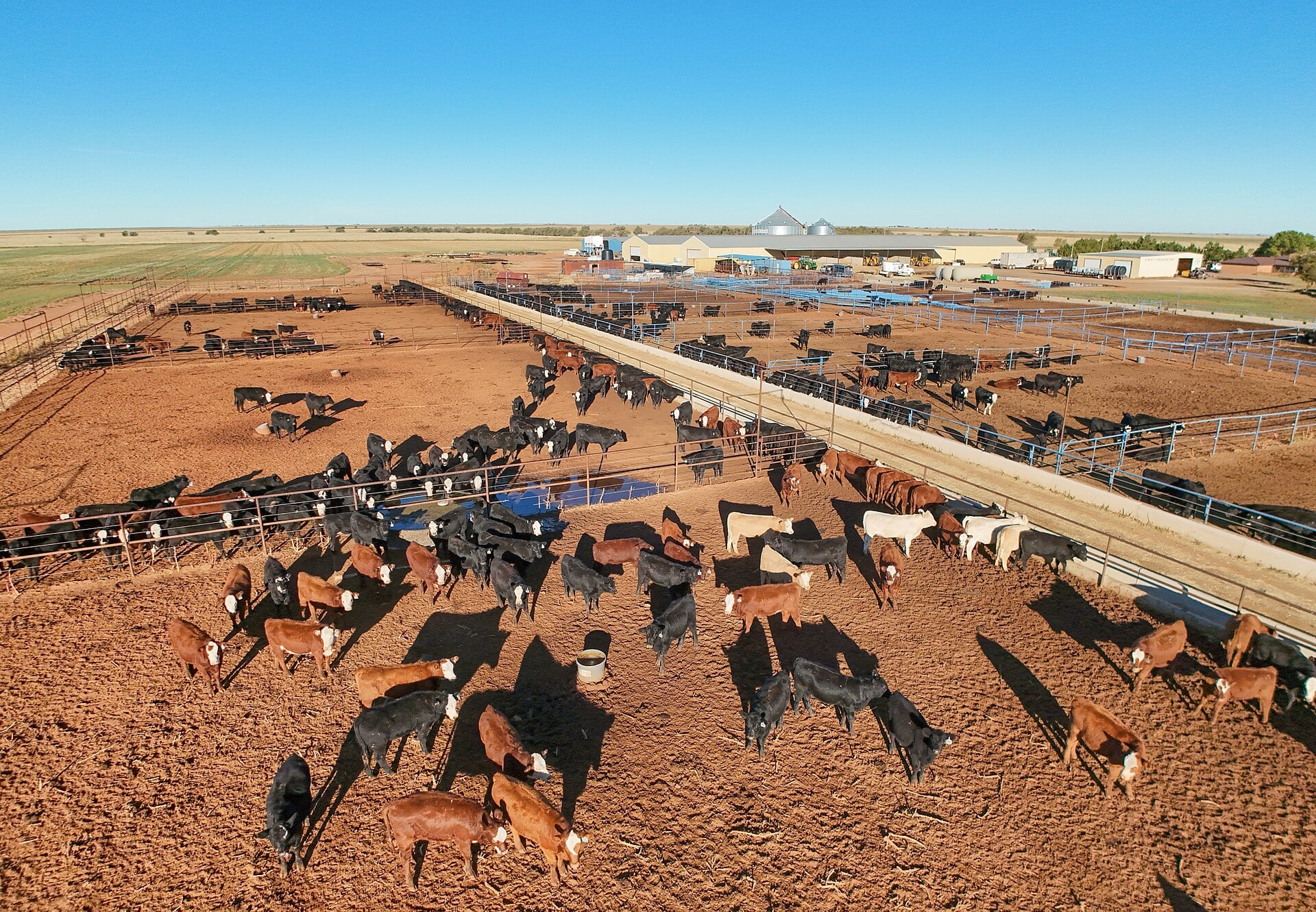
A parasite scare that shut a vital livestock trade is starting to ease. The United States said it will reopen its border to Mexican cattle, a move that lifted the shares of major meatpackers.
Reopening the border
The US Department of Agriculture announced a phased reopening of cattle imports from Mexico, beginning at the Douglas, Arizona, border crossing on August 24, 2026. Douglas sits opposite Agua Prieta in Mexico’s northern state of Sonora.
The reopening is deliberately cautious after months of closure. Only cattle born and raised in Sonora or Chihuahua, or animals treated under specific anti-parasite protocols, will qualify for import at the start.
For readers unfamiliar with the geography, Sonora and Chihuahua are two large northern Mexican states that share a long border with the United States. Their ranching regions have historically been tightly integrated with American feedlots and packing plants, making them the natural starting point for any resumption of trade.
Why it was closed
The suspension followed an outbreak of New World screwworm, a flesh-eating parasite, detected in Mexico in late 2024. Authorities feared its spread could devastate US livestock if infested animals crossed the border.
By official counts, the outbreak has reached 29 of Mexico’s 32 states, with well over a thousand active cases. In the United States, a smaller number of cases have been recorded, most of them in Texas.
New World screwworm is not a worm but the larva of a fly that lays eggs in open wounds of warm-blooded animals. The larvae then feed on living tissue, causing deep infections that can kill an untreated animal.
Because the pest spreads through the movement of infested livestock, border closures are a standard first line of defence.
Markets react
Shares of meatpackers Tyson Foods and JBS surged after Washington said it would resume shipments. The closure had squeezed the supply of animals and raised costs across the US beef industry.
Reopening the flow of Mexican cattle promises to ease a domestic shortage that had pushed up prices. For large processors, more available cattle can support margins and steadier operations.
The market reaction reflects a broader reality of North American meat production: the United States and Mexico operate a deeply intertwined supply chain. Mexican calves are often shipped young to US feedlots, where they are fattened on grain before slaughter.
When that pipeline is cut, the entire system feels the strain.
How the safeguards work
Imports will be tied to a joint US-Mexico action plan built around inspection and parasite control. Animals will be checked on the US side to prevent screwworm larvae from entering the country.
The staged approach lets authorities test the safeguards before widening access. If defences hold, additional ports and eligible regions could follow in later phases.
In practice, these protocols typically involve visual inspection of animals for wounds or larvae, as well as possible dipping or spraying with approved insecticides. The joint plan is designed to catch infested animals before they can mix with US herds, where containment would become far more difficult and costly.
What it means for the region
For Mexican ranchers, the reopening restores access to their most important export market after a damaging pause. For US consumers, it could help temper beef prices that had climbed during the shutdown.
The episode highlights how tightly the two countries’ food systems are linked. A health scare on one side of the border quickly ripples through prices and companies on the other.
Beyond the immediate price relief, the reopening carries symbolic weight for a trading relationship that has weathered repeated disruptions in recent years. It signals that even after a serious animal-health emergency, the institutional machinery for binational cooperation can restore commerce step by step.
The road ahead
The first shipments in late August will be an early test of the new protocols. Regulators have signalled they will move gradually, expanding only if the screwworm threat stays contained.
For the beef supply chain, the direction of travel is toward normalisation after a turbulent stretch. How fast trade fully recovers will depend on the outbreak’s trajectory in Mexico.
Several open questions will shape the coming months. Will the inspection regime at Douglas prove strong enough to keep the parasite out, or will a detected case force another pause?
Can the protocols be replicated at busier ports of entry without creating long delays that disrupt the flow of animals? And perhaps most importantly, will the screwworm outbreak in Mexico’s other states recede, or will it continue to limit which regions can qualify for export?
The answers will determine whether this first phase becomes a durable reopening or merely a cautious experiment.
Frequently Asked Questions
When do US imports of Mexican cattle resume?
The US Department of Agriculture said a phased reopening begins at the Douglas, Arizona, crossing on August 24, 2026.
Why were the imports suspended?
The US halted cattle imports after an outbreak of New World screwworm, a flesh-eating parasite, spread across much of Mexico.
Which companies benefited?
Shares of meatpackers Tyson Foods and JBS rose after the announcement, as the reopening should ease a US cattle shortage.
Sources
Connected Coverage
Pemex Contracts Drive Carlos Slim’s Grupo Carso Deeper Into Mexican Oil
Coca-Cola FEMSA (KOF) Shares Jump After Strong Second-Quarter Results
Sources: US Department of Agriculture.
This article was produced by The Rio Times’ automated newsroom system. How we use AI · Report an error
Read More from The Rio Times