Ghana, Namibia and the DRC push Africa up the value chain
Africa · Western
Key Facts
—China-Africa trade. Bilateral trade reached US$295.6 billion in 2024, dwarfing Russia-Africa trade of US$24.5 billion.
—Lithium surge. Africa’s share of global lithium production jumped from 0.1 percent in 2019 to 10.6 percent in 2025.
—DRC economic weight. Afreximbank projects the DRC will become sub-Saharan Africa’s fifth-largest economy in 2026, with GDP of roughly US$123 billion.
—Critical mineral share. Sub-Saharan Africa holds more than 30 percent of global critical mineral value, according to a Cambridge study.
—Beneficiation push. Governments are demanding local refining, smelting and processing rather than raw-ore exports, reshaping investment terms.
The Africa value chain is being rewritten as Ghana, Namibia and the Democratic Republic of Congo move beyond pit-to-port extraction toward local processing, refining and logistics—and the West is scrambling to match China’s integrated capital-package approach.
The old model is dying, and governments know it
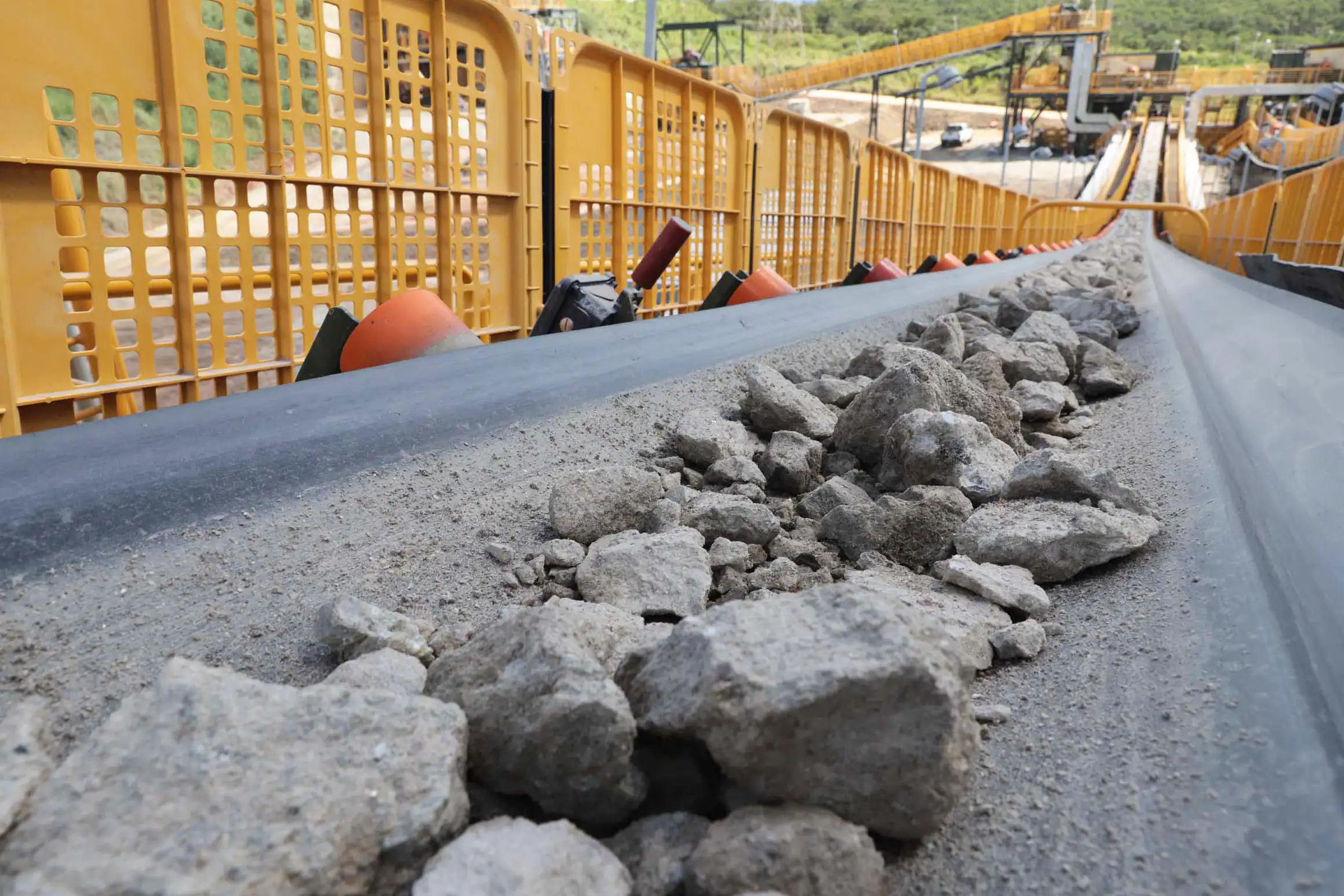
For decades the dominant template was straightforward: extract raw minerals, load them onto ships, and let the refining, manufacturing and margin capture happen elsewhere. That model is now under sustained assault from African governments that see it as a legacy of lost opportunity.
The new language in mining ministries and development-bank boardrooms is beneficiation—refining, smelting, processing and eventually manufacturing inputs closer to the mine gate. Brookings research notes that Africa’s structural transformation increasingly relies on “industries without smokestacks,” including agro-processing, modern logistics and tradable services, which can generate jobs and productivity gains faster than heavy manufacturing alone.
This shift changes the investment calculus for every external player. The question is no longer simply who can extract, but who can finance processing plants, build transmission lines, operate rail corridors and train a technical workforce—and who is willing to accept African equity partners and local-content requirements as a condition of access.
Ghana tests the West African industrial path
Ghana has long been one of West Africa’s more stable and investor-friendly economies, yet its economic transformation remains limited by a reliance on raw commodity exports—gold, cocoa and, increasingly, oil. A regional OECD assessment places Ghana among economies still at an early stage of structural change, but the policy direction is unmistakable.
Accra is now actively designing incentives for battery-metal processing and agro-industrial zones that would keep more value inside the country. The logic is straightforward: if Ghana can process lithium concentrate rather than export it, and if it can manufacture chocolate rather than ship raw cocoa beans, the fiscal and employment multipliers multiply.
For Latin American readers—especially those in Brazil, Chile or Peru, where similar debates about lithium and copper beneficiation are live—Ghana’s experiment is a closely watched test case. The same tension between attracting foreign capital and demanding local value capture defines the political economy of mining from the Atacama to the Gulf of Guinea.
Namibia bets on green industrial policy
Namibia has emerged as one of the continent’s most deliberate players in the green-metals race, leveraging its uranium, rare-earth and renewable-energy potential to attract processing investment. The government has signalled that raw-export licences will increasingly be tied to commitments for local beneficiation and power-supply agreements.
Windhoek’s approach is being watched by development-finance institutions and Western export-credit agencies that see Namibia as a potential model for a cleaner, more transparent value chain. The country’s small population and relatively strong governance make it an easier partner for Western capitals that are under domestic pressure to attach environmental and labour standards to critical-mineral supply deals.
Yet the competitive pressure is acute. Chinese firms have been faster to offer integrated packages that bundle mine development, port upgrades and processing capacity, often with fewer conditionalities and shorter negotiation timelines.
Namibia’s challenge—and the West’s—is to demonstrate that a higher-standards model can also be a faster and more commercially attractive one.
The DRC is the defining battleground for the Africa value chain
No country crystallises the stakes more sharply than the Democratic Republic of Congo. Afreximbank has called the DRC a “solution country” for critical minerals and projects it will become sub-Saharan Africa’s fifth-largest economy in 2026, with GDP of roughly US$123 billion.
The DRC supplies a dominant share of the world’s cobalt and a rapidly growing portion of its copper, and the fight over who captures the downstream margin is now the central drama of the global battery supply chain. Cambridge researchers describe the country as the pivot of a twenty-first-century superpower contest over strategic minerals, where mining rights, refining capacity and export routes are all contested simultaneously.
Kinshasa is increasingly assertive in demanding that investors build processing capacity inside the country rather than shipping concentrate to China for refining. The Lobito Corridor—a rail-and-port project backed by Western governments to connect Congolese and Zambian copper belts to the Atlantic—is the most visible Western countermove, designed to offer an alternative logistics chain to the Chinese-dominated eastern routes. The broader contest is covered in our pillar series Africa: The New Scramble.
China’s integrated play versus the West’s fragmented response
China’s advantage in the Africa value chain contest is not simply a matter of cheaper capital. It is the ability to deliver an integrated package: mine finance, processing-plant construction, port and rail upgrades, power generation, and offtake agreements, all negotiated through state-backed entities that can move at a speed Western project finance rarely matches.
With bilateral trade at US$295.6 billion in 2024, China’s economic footprint dwarfs that of any other external actor. Russia’s Africa trade, by comparison, stood at just US$24.5 billion, and Moscow’s role remains concentrated in security partnerships and arms sales rather than broad-based commercial integration.
Western governments have responded with minerals-security partnerships, export-credit support and corridor diplomacy, but the effort remains more fragmented and more conditional. The risk is not that the West is absent, but that it arrives with a menu of standards and compliance requirements while a competitor arrives with a cheque and a construction schedule.
African leverage is growing, and it is structural
The most underappreciated shift in the Africa value chain story is the growth of African bargaining power. Governments in Accra, Windhoek and Kinshasa now understand that they can play multiple suitors against each other, demanding local processing, equity stakes, infrastructure commitments and higher royalties as the price of access.
This leverage is underpinned by hard numbers. Sub-Saharan Africa holds more than 30 percent of global critical mineral value, and its share of lithium production alone rose from 0.1 percent in 2019 to 10.6 percent in 2025. When the world’s energy transition depends on minerals concentrated in a handful of African jurisdictions, the old buyer-supplier dynamic begins to invert.
The deeper political question is not only who mines Africa’s resources, but who captures the margin from refining, transport, finance, insurance, standards and final manufacturing. That margin is worth multiples of the raw-material price, and African governments are no longer willing to cede it by default.
What to watch in the next eighteen months
Several signals will indicate whether the Africa value chain shift is accelerating or stalling. The first is the pace of investment in processing capacity—actual plants breaking ground, not just memoranda of understanding—in Ghana, Namibia and the DRC.
The second is the evolution of the Lobito Corridor and competing logistics routes, which will determine whether Western-backed alternatives can offer commercially viable export paths. The third is the posture of development-finance institutions, particularly whether they are willing to underwrite processing and power projects at the scale and speed required.
For investors and corporate strategists, the message is clear: the era of pit-to-port extraction is ending, and the next phase of competition will be won by those who can finance, build and operate entire value chains on African soil. The West can keep pace, but only if it matches its strategic rhetoric with integrated, fast-moving capital.
Connected Coverage
Frequently Asked Questions
What does “moving up the value chain” mean for African economies?
It means shifting from exporting raw minerals and agricultural commodities toward local processing, refining, manufacturing and logistics. Instead of shipping lithium concentrate or cobalt ore abroad, countries aim to build smelters, refineries and battery-component plants at home, capturing more of the final product’s value.
This creates higher-skilled jobs, increases tax revenue and reduces vulnerability to volatile raw-commodity prices.
Why is China ahead of the West in Africa’s processing sector?
China offers integrated packages that combine mine finance, processing-plant construction, infrastructure upgrades and offtake agreements, often negotiated through state-backed entities that move faster than Western project finance. Chinese firms also face fewer domestic political constraints around environmental and labour conditionalities.
The result is a speed advantage that Western export-credit agencies and development-finance institutions are still trying to close.
How does the Africa value chain shift affect Latin American mining economies?
Latin American producers of lithium, copper and other critical minerals face the same tension between attracting foreign capital and demanding local beneficiation. African governments’ success—or failure—in negotiating processing investment will be studied closely in Santiago, Lima and Brasília. The competition for processing capacity is global, and if Africa captures a larger share, it could reshape investment flows and supply-chain geography in ways that directly affect Latin American exporters.
Read More from The Rio Times